
Wyoming Football: History, Notable Players, and Current Program Overview
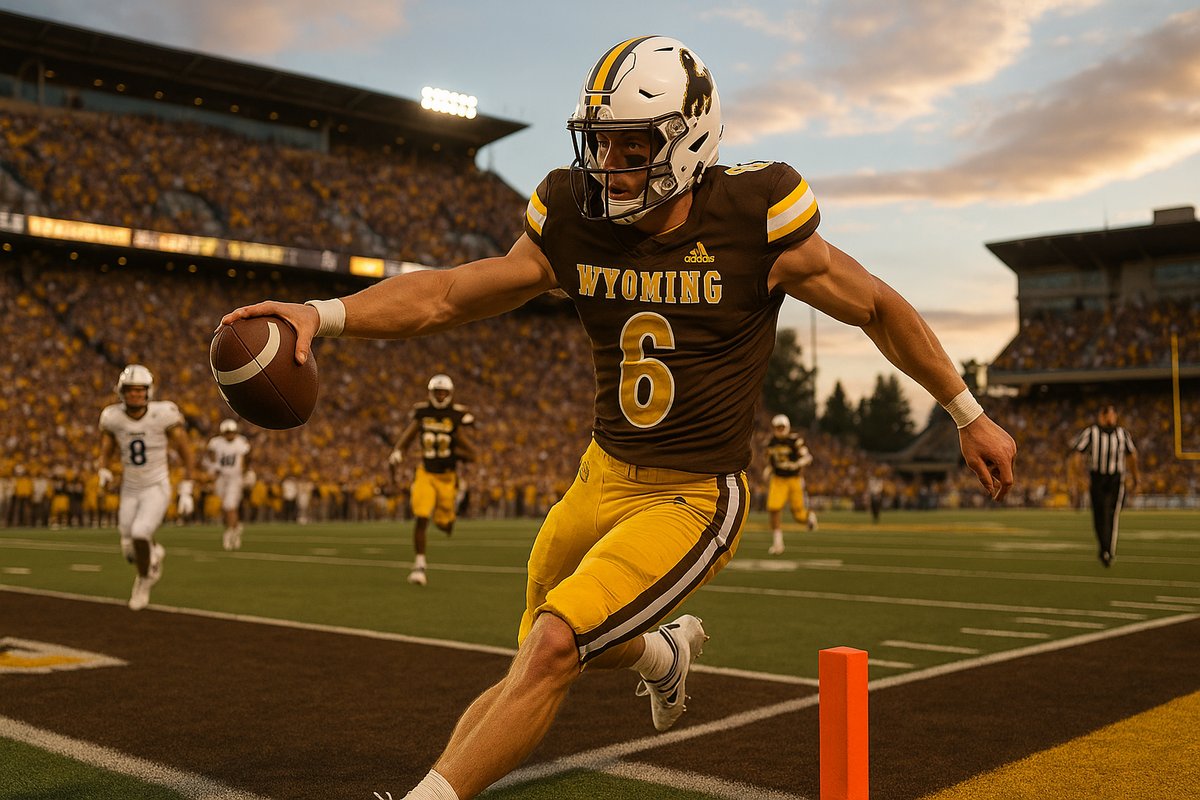
Wyoming football has been grinding it out at the highest levels for well over a century now, and when you’ve lined up in a defensive scheme you understand exactly what it takes for a program like the Cowboys to stay competitive in the Mountain West. The University of Wyoming’s squad brings real pride to the state and its fans, building from modest roots into consistent bowl participants who have carved out their place in college football lore through tough athletes and signature moments.
Founded back in 1892, the program quickly became a Rocky Mountain fixture, moving through the Skyline Conference and WAC before settling into the Mountain West in 1999. I’ve studied enough film to know that kind of conference stability rewards teams that master the fundamentals—gap discipline up front and disciplined coverage schemes in the back end. The Cowboys have cashed in on that with multiple bowl trips, including the Fiesta Bowl and Holiday Bowl, showing they can punch above their weight against bigger programs.
Legendary figures like Jim Plank, the standout defensive player who transitioned into coaching, highlight how Wyoming develops talent that translates. Plenty of their guys have reached the NFL, and as a former D1 linebacker turned draft analyst I can tell you their physical traits—length, motor, and instincts—often stand out on tape even when the roster is smaller. Coaches here have long understood the challenges of recruiting in a geographically isolated spot, building a culture that stresses character and winning habits that carry over to pro prospects.
In the modern era the Cowboys keep punching with smaller enrollment and budgets than some conference mates, yet they still field teams that play with physicality and scheme discipline. Head coaches have leaned on systematic recruiting and player development, squeezing every ounce of potential from compact rosters through smart game planning and relentless attention to detail on both sides of the ball.
Rivalries define the schedule, none more than the heated clashes with Colorado State that bring out the full intensity of Mountain West football. Those games test everything from run fits in the box to coverage integrity on the perimeter, and the Cowboys have produced plenty of memorable finishes that showcase why these matchups matter. The Border War rivalry carries real weight in recruiting circles and motivates players year-round, creating intensity that translates directly to film study and offseason preparation.
War Memorial Stadium in Laramie sits at elevation and creates a unique home-field edge, with fans traveling from across the state to pack the place and create that intimate, loud atmosphere. The loyalty is real—I’ve seen programs with far bigger followings struggle to match that kind of sustained energy through up-and-down cycles. At over 7,200 feet above sea level, visiting teams face real physiological challenges, and Wyoming has capitalized on that advantage throughout its history with strong home records that reflect understanding of how elevation impacts conditioning and performance.
Recent seasons show Wyoming adapting to conference shifts while still developing players who project as draft prospects. The staff’s focus on fundamentals, academics, and athletic growth keeps the pipeline open, proving smaller programs can still send talent to the next level. Notable recent standouts like cornerback Esmond Martin and linebacker Chad Brown have demonstrated that Wyoming continues producing defensive talent that NFL scouts actively monitor during the pre-draft evaluation process.
Beyond the scoreboard, Wyoming football demonstrates how resourcefulness and scheme sound football can overcome size disadvantages, inspiring athletes from rural and mountain backgrounds. It serves as a genuine development hub, giving young players the chance to earn degrees and chase pro opportunities while contributing to the wider college game. The program has placed particular emphasis on building strength and conditioning programs that help smaller roster sizes compete against larger programs through superior preparation and football intelligence.
The program’s legacy, from 1892 through its current Mountain West standing, reflects the resilience that defines this sport—consistent competitiveness, passionate support, and a steady commitment to building winners who understand the X’s and O’s at every level. Wyoming has won multiple conference championships throughout its history, with particularly strong runs in the 1980s and early 2000s that established the program as a consistent postseason participant and legitimate contender in whatever conference alignment they occupied.
When examining Wyoming’s recruiting approach, the coaching staff has successfully identified athletic profiles that thrive in their system rather than chasing pure star ratings. They target high-character athletes who value education and understand that playing at Wyoming requires commitment to both the field and classroom. This philosophy has reduced costly recruiting misses and created roster cohesion that translates to fewer disciplinary issues compared to some peer programs.
The defensive schemes employed at Wyoming have historically showcased creativity and adaptation. Defensive coordinators have implemented gap-control principles that maximize the effectiveness of athletes with average size but above-average football intelligence. These schemes have frequently ranked among the better defenses in the Mountain West despite less-heralded recruiting classes, proving that systematic approach and film study matter as much as raw athletic talent.
Offensively, Wyoming has cycled through different philosophies depending on available talent. The program has employed both pro-style passing attacks and effective ground-game approaches, with the coaching staff showing willingness to adjust scheme to match personnel available. This flexibility has helped maintain competitive consistency across different recruiting cycles and senior class compositions.
Academically, Wyoming maintains strong standards for student-athletes while managing the challenges of recruiting to a remote location. The university’s engineering and business programs have attracted higher-caliber academic performers, which correlates directly with improved on-field discipline and lower rates of off-field issues. Graduation rates have consistently outpaced national averages for college football programs, reflecting genuine commitment to balancing athletic and academic development.
The fan base remains deeply connected to the program despite geographic isolation and smaller market size. Tailgating before games and postgame traditions create community bonds that transcend typical college football enthusiasm. This sustained support provides tangible advantages in recruiting, as young athletes see genuine passion and understand they’ll be playing for fans who deeply care about their success and representation of the university and state.
Looking forward, Wyoming football continues navigating the evolving landscape of conference realignment and transfer portal dynamics. The program’s established culture and systematic approach to player development position it to remain competitive despite external pressures. Coaching hires and retention strategies have prioritized maintaining continuity in system and philosophy, recognizing that stability benefits long-term success more than chasing trendy coaching hires or offensive schemes.
The Cowboys represent authentic college football—a program that builds through recruiting, develops players systematically, emphasizes fundamentals, and expects maximum effort within resource constraints. For NFL scouts and analysts, Wyoming tape continues offering legitimate evaluation opportunities on both offensive and defensive talent that projects at professional levels across multiple position groups and depth levels.