
Understanding NFL Pass Rush Win Rates
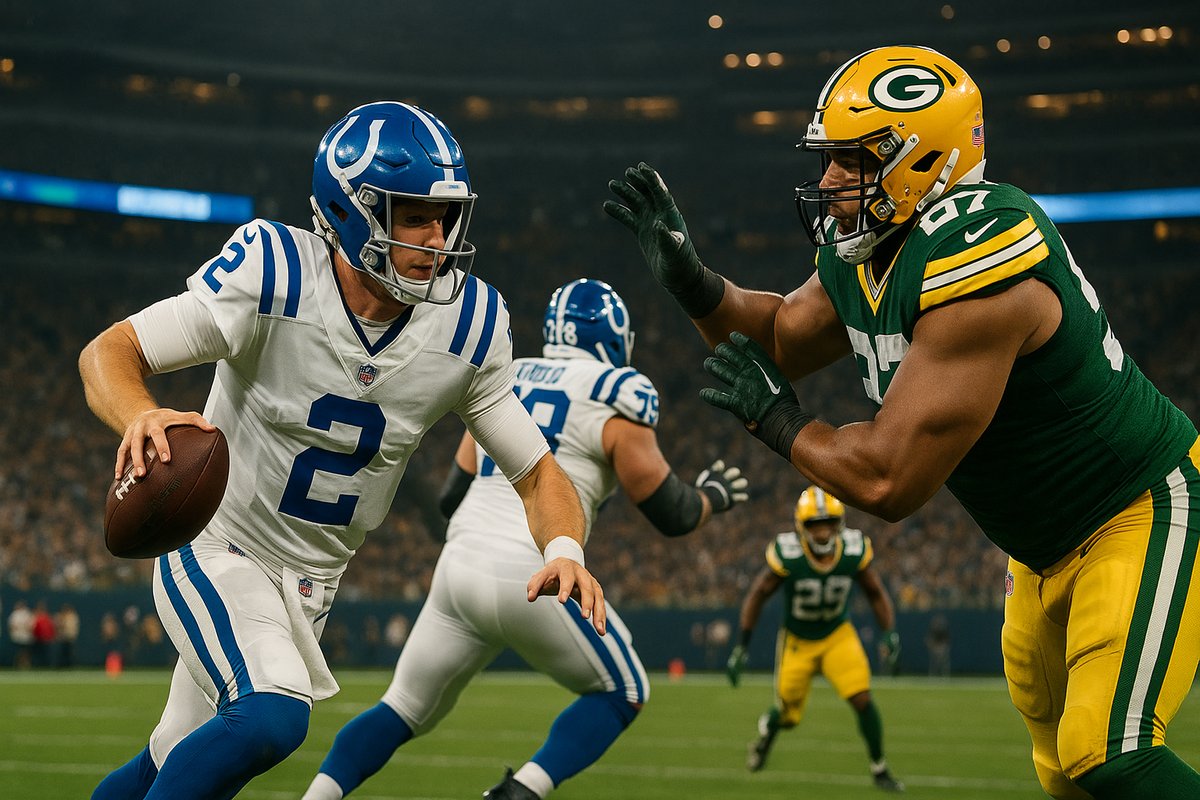
When you’re evaluating how a defense actually disrupts an offense, pass rush win rates from Next Gen Stats cut through the noise better than raw sack numbers. This metric tracks the share of pass-rush snaps where a defender beats his blocker and reaches the quarterback inside that 2.5-second window, showing true pressure creation rather than just cleanup plays.
The 2.5-second threshold is critical to understanding why this metric matters so much. At that mark, an average quarterback has either released the ball or is forced into a decision under duress. A defender who beats his blocker before 2.5 seconds has genuinely disrupted the play, whether he registers a sack, hurry, or hit. This distinction separates elite pass rushers from those who rack up stats against backups or in garbage time situations. It’s the difference between manufacturing pressure and being in the right place when the play breaks down.
From a franchise perspective, front offices lean on these numbers when deciding whether to extend an edge rusher or let one walk. A rookie posting even a 15 percent win rate in limited work often triggers early extension talks because it signals sustained dominance that can tilt draft capital and salary-cap planning. Veterans holding above 12 percent give teams the green light to build around them instead of chasing free-agent replacements.
What the front office is really thinking here is roster depth at the position. Rotational packages keep fresh legs rotating in to avoid late-game drops in pressure, a strategy that has become standard for contenders trying to stay in the top tier year after year. Teams that maintain consistent pass rush pressure across their entire defensive line rotation avoid the scenario where opposing offenses adjust schemes in the fourth quarter because they’ve figured out the primary threats. This depth philosophy has proven especially valuable in the playoffs, where teams face the same opponents twice and adjustments become inevitable.
From a fantasy perspective, players like T.J. Watt, who posted that eye-popping 17.4 percent single-season mark in 2021, deliver consistent IDP value because those wins translate directly into tackles, forced fumbles, and quarterback hits that rack up weekly points. Myles Garrett’s career mark above 13 percent keeps him in the top five active players and makes him a reliable anchor for fantasy defenses even when the team around him fluctuates. Fantasy managers who track pass rush win rates gain a significant edge because they’re investing in the data behind the stats rather than chasing season-to-date sack totals, which can be misleading if a player has benefited from cleanup opportunities rather than true pressure creation.
The data also shows why certain championship runs succeed. The 2019 Chiefs leaned on Frank Clark and Chris Jones combining for win rates over 14 percent to create favorable down-and-distance situations, while the 2020 Buccaneers’ group led by Shaquil Barrett posted one of the highest collective marks in recent memory en route to the title. Teams finishing in the top five for collective win rates have reached the Super Bowl in six of the last eight seasons, underscoring how the metric influences playoff outcomes. The correlation isn’t coincidental—when a defense can consistently beat offensive linemen and create pressure from multiple angles, quarterbacks make quicker decisions, throw into tighter windows, and force receivers to get open faster. These cascading effects elevate turnovers and coverage breakdowns simultaneously.
Interior linemen post roughly half the win rate of edge rushers because of tighter spacing and more frequent double teams, which is why smart organizations invest in both positions rather than overloading one side. The 2022 Eagles led the league at 12.8 percent and turned that edge into an NFC Championship appearance. Their interior pressure from Javon Hargrave and Milton Williams created one-on-one opportunities for edge rushers Josh Sweat and Brandon Graham, demonstrating how pass rush win rates work synergistically across the front four. When interior linemen command double teams, edge rushers win more frequently because offensive lines must choose between committing extra bodies inside or leaving edge players in vulnerable positions.
Win rates also fall an average of 3.2 percentage points when quarterbacks stay clean versus facing immediate heat, a gap that shows up in both real-game and fantasy scoring margins. This relationship reveals something crucial about modern quarterback play: the mental side of processing under pressure degrades measurably. Elite quarterbacks like Patrick Mahomes and Josh Allen partially offset higher heat by remaining efficient, but even they show statistical drops when facing sustained pressure. This is why pass rush win rate correlates so strongly with team success—it’s not just about sacks, but about creating cognitive load that cascades into worse decision-making across the entire offense.
Analysts adjust the raw figures for strength of schedule because facing Pro Bowl tackles every week naturally suppresses numbers, while matchups against backups can inflate them. That context helps teams project future production more accurately when allocating draft picks or negotiating contracts. A defensive end posting a 14 percent win rate against a schedule featuring five All-Pro caliber tackles deserves more credit than a 15 percent mark accumulated against a weak schedule. Next Gen Stats provides schedule-adjusted win rates for exactly this reason, allowing front offices to normalize production and make cross-season comparisons with confidence.
Understanding positional versatility adds another layer to pass rush win rate analysis. Players who can move between edge and interior linebacker roles sometimes post different win rates depending on alignment, and teams increasingly value this flexibility. A pass rusher who maintains above-12 percent efficiency whether lined up at end or interior tackle becomes exponentially more valuable because coordinators can deploy him in multiple packages without sacrificing disruption. This versatility extends defensive line depth and creates matchup advantages opponents must account for in game planning.
Injury recovery also influences win rate trajectories in ways that standard statistics don’t capture. A returning pass rusher might post lower numbers in early-season snaps as conditioning and timing re-synchronize with teammates, even if the underlying talent remains elite. Savvy analysts recognize these patterns and don’t overreact to first-month performance, understanding instead that sustainable win rates often take six to eight weeks to stabilize after significant time away.
The evolution of offensive line play directly impacts how to interpret pass rush win rates year to year. As offenses invest in higher draft capital at tackle positions and emphasize pass protection schemes, baseline win rates across the league have shifted. A 12 percent mark today represents different difficulty compared to the same percentage five years ago when offensive line talent was more dispersed. Contextualizing this inflation helps teams avoid overvaluing rushers in recent seasons while potentially undervaluing historical production that occurred against stronger overall competition.