
Trevor Lawrence Jaguars Career Progress
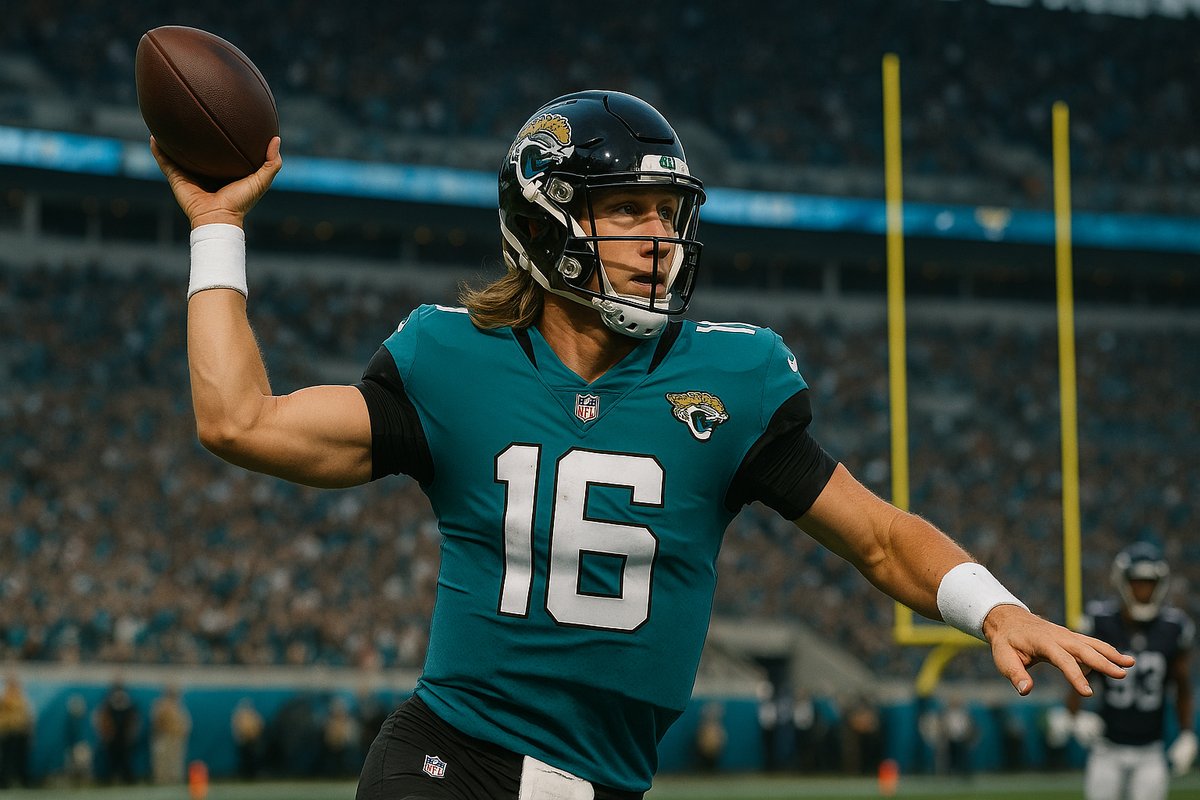
Trevor Lawrence stepped into the league as the top dog from Clemson, that rare prospect with the arm talent and pocket poise that made scouts circle his name at the top of the draft board. What stands out watching his tape is how he’s turned early inconsistency into steady production that keeps the Jaguars’ offense on schedule. When you’ve lined up in a defensive scheme, you understand just how much a quarterback’s growth in processing can tilt the whole game plan.
His passing volume tells the story of a guy getting more comfortable year after year. Those first seasons showed high attempt numbers with completion rates sitting in the mid-60s, but later campaigns locked in above 66 percent while clearing 4,000 yards multiple times. Yards per attempt have climbed because he’s placing the ball better on rhythm throws, something I’ve studied enough film to know separates the ones who survive from the ones who dominate.
The touchdown-to-interception ratio is where the real progress shows. It started around 1.2 touchdowns per pick, but later seasons pushed it past 2.0. That jump comes from fewer forced throws into coverage and sharper red-zone decisions, the kind of refinement you see when a quarterback stops trying to do too much against disguised looks.
Accuracy on the deeper stuff outside the numbers has gotten noticeably better, especially on those vertical concepts where timing beats man coverage. Intermediate routes between 10 and 20 yards are hitting at higher rates too, showing he’s anticipating breaks instead of reacting. Off-target throws have dropped about four percentage points across his career, largely from cleaner footwork in the pocket and faster reads.
Adjusted completion percentage over expected has trended up every season. Pressure-adjusted numbers show he’s taking fewer sacks per dropback as the line gels, and third-down conversion rates on passing plays have moved into the upper 40s. When you’ve lined up against offenses, you see how that kind of efficiency forces defenses to respect the whole field.
Jacksonville’s offensive rankings have climbed right along with Lawrence’s quarterback rating, now sitting comfortably above average. More points, more yards, longer drives, and fewer three-and-outs have let the running game breathe. His presence has helped create balance, giving the backs cleaner lanes because defenses can’t load the box the same way.
Advanced metrics back it up. Expected points added per play keeps rising, putting him ahead of several similarly drafted peers when it comes to stabilizing turnovers and commanding pre-snap adjustments. Completion percentage over expected stands out because his ball placement beats what the raw numbers suggest. Compared to other first-overall picks in recent drafts, Lawrence has tightened his game faster, expanding his effective range without the early-career spikes in mistakes that plague so many young quarterbacks.
The transformation in Lawrence’s decision-making under pressure deserves particular attention. Early in his career, he’d occasionally hold onto the ball too long looking for the home-run play, resulting in unnecessary sacks and coverage breakdowns. Over time, he’s developed a much quicker trigger on checkdowns and hot routes, understanding that a five-yard gain on third-and-eight keeps drives alive far more effectively than forcing a tight window into double coverage. His scramble drills have also improved considerably—instead of just taking off and running backward, he’s learning to keep the play alive while maintaining throwing lanes, converting broken plays into modest positive yardage rather than negative plays.
Lawrence’s growth in the red zone specifically illustrates his overall maturation as a passer. In his early seasons, touchdown rates inside the 20-yard line hovered around league average, but he’s since developed into a more efficient scorer in tight spaces. This improvement stems from better understanding coverage adjustments near the goal line, where defenses play tighter and windows shrink considerably. He’s learned to trust his receivers on contested catch opportunities while also knowing when to take what the defense gives him with a quick slant or fade route. The Jaguars’ red-zone efficiency has directly correlates with his improved vision and decision-making in these crucial situations.
The consistency of his ball security improvement cannot be understated. Fumbles have decreased as he’s developed better pocket habits and learned to feel pressure without panicking. This sounds simple, but for a young quarterback still learning NFL rhythms, the difference between a quarterback who fumbles on five percent of sacks versus two percent of sacks translates directly into additional wins over the course of a season. Lawrence’s coaching staff has clearly emphasized ball security, and he’s absorbed those lessons effectively.
One area where Lawrence has made substantial strides is his pre-snap recognition. Early in his career, he’d occasionally look confused at the line when defenses showed unusual looks, but now he’s consistently making checks and adjustments that either put his offense in better plays or ensure the called play has clean passing lanes. This improvement in reading coverages before the snap cuts down on the number of plays where he’s forced into difficult decisions post-snap. It’s the kind of thing that doesn’t always show up in stat sheets but dramatically impacts game flow and offensive efficiency.
His relationship with the coaching staff and offensive line has evolved significantly as well. Lawrence now has chemistry with receivers who understand his timing and tendencies, and he’s learned the strengths of his blockers—knowing which ones give him extended time and which ones need quick decisions. This familiarity breeds confidence, allowing him to be more aggressive on certain calls while exercising patience on others based on his exact personnel in the game.
The durability question that some had questioned coming into the league has largely been answered affirmatively. Despite the physical toll of the position and some early injuries, Lawrence has shown the ability to stay healthy and available for his team. Playing through minor dings without significant decline demonstrates both his toughness and the development of better body awareness and decision-making that reduces unnecessary big hits.
Looking at the trajectory, Lawrence’s progress arc has been steeper than many first-overall quarterback picks, particularly in the modern era. While he hasn’t put up gaudy statistical numbers in every season, the consistency of improvement across multiple dimensions—accuracy, decision-making, efficiency, and leadership—suggests a quarterback who’s genuinely getting better rather than just compiling volume stats. For Jacksonville fans and the organization, this trajectory offers genuine optimism about the franchise’s quarterback situation for years to come. The foundation is clearly there, and with continued development and improved supporting cast, Lawrence has all the tools to become a consistent top-tier performer at the position.