
Top Ten Most Dominant NFL Defenses Ever
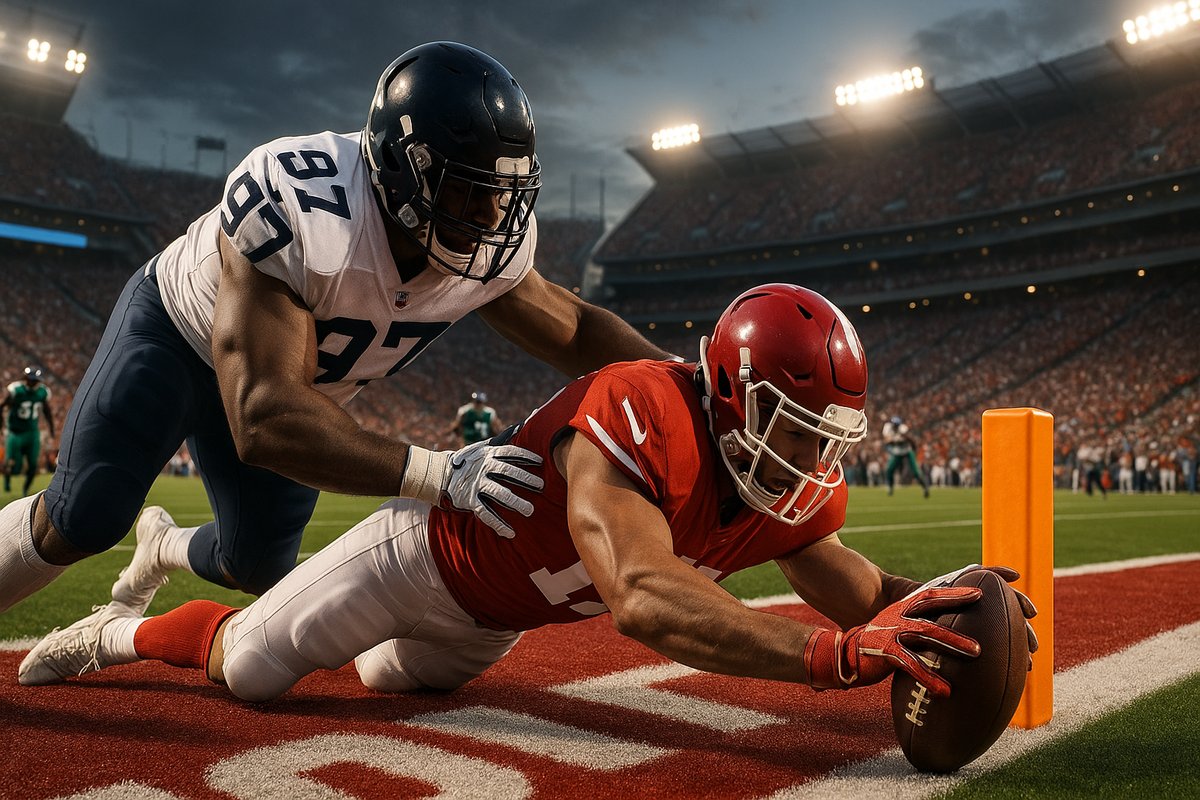
When you break down the top ten most dominant NFL defenses ever from the film room, you see units that didn’t just play—they imposed their will with gap discipline and coverage schemes that still echo in today’s draft rooms. I’ve studied enough film to know these squads turned opponents’ game plans into wreckage, blending raw physicality with scheme mastery that forced turnovers and kept points off the board at historic rates. From the 46 defense of the 1985 Chicago Bears to the Legion of Boom in Seattle, these groups delivered the kind of blueprint that makes you appreciate how elite fronts and secondaries win rings.
Ranking them starts at number 10 with the 2015 Denver Broncos. Von Miller’s edge rush and Aqib Talib’s lockdown work in the secondary held foes to 18.5 points per game while generating 20 turnovers on the way to Super Bowl 50. When you’ve lined up against a mobile quarterback like Cam Newton, you understand how their zone coverage schemes collapsed the pocket and took away intermediate windows in the playoffs. Chris Harris Jr.’s development into an elite corner that season added another layer to Denver’s defensive arsenal, creating a secondary that could match up with any receiving corps in football. The Broncos’ defensive line also featured Chris Wolfe and Derek Wolfe, who provided interior pressure that complemented Miller’s edge dominance. At number 9 comes the 2006 Chicago Bears, tops in points allowed with Brian Urlacher’s sideline-to-sideline range and a front four that ate up blocks. These teams showed how regular-season dominance carries into January. The 2006 Bears allowed just 15.7 points per game and generated 36 sacks, establishing a defensive foundation that made them NFC powerhouses for years.
Number 8 is the 1990 New York Giants, bending but never breaking at 211.6 yards allowed per game. Lawrence Taylor’s disruptive presence off the edge set the standard for pass-rush prospects we still grade in the draft, and their Super Bowl XXV win over Buffalo proved clock control plus red-zone stops win titles. Taylor’s final season showcased why he remains the gold standard for edge rushers—his ability to shed blocks and diagnose plays from the backfield created chaos that made quarterback decision-making nearly impossible. The Giants’ secondary, led by cornerback Mark Collins and safety Kenny Hill, showcased the kind of coverage consistency that allowed their front seven to hunt freely. Rounding out this group at number 7 is the 1973 Miami Dolphins, surrendering just 10.7 points per game in that perfect season. Their goal-line stands and complementary run game created total control you rarely see anymore. The Dolphins’ defense, anchored by Bob Griese’s leadership as a signal-caller and Nick Buoniconti’s linebacking excellence, operated on a different level of efficiency. That perfect 17-0 season remains unmatched in NFL history, and their defensive stranglehold in crucial moments—particularly in playoff games—demonstrated the value of defensive consistency when it matters most.
Moving into the middle tier, the 2002 Tampa Bay Buccaneers sit at number 6. Monte Kiffin’s Tampa-2 scheme kept opponents to 12.3 points per game, anchored by Warren Sapp and Derrick Brooks. I’ve studied enough film to know how that secondary’s ball skills produced 31 takeaways and turned Super Bowl XXXVII into a clinic. The Buccaneers’ front three of Sapp, Simeon Rice, and Chidi Iwuoma created pressure up the middle that forced quarterbacks to hold the ball, allowing their secondary more time to develop plays. Keyshawn Johnson’s arrival as a cornerstone wide receiver actually strengthened the defense by stabilizing the offense and field position, demonstrating how complementary team building elevates defensive performance. Next at number 5, the 1986 New York Giants allowed a league-low 14.8 points per contest behind Harry Carson and Carl Banks, racking up 58 sacks en route to Super Bowl XXI. That Giants squad featured one of the most disruptive defensive lines in history, with Jason Baker and George Martin applying relentless pressure from the edges while Leonard Marshall collapsed pockets up the middle. Their ability to set the edge and maintain gap integrity made them nearly impossible to run against, and opposing offenses faced a nightmare scenario of having to generate quick passing plays while under constant duress.
At number 4, the 1969 Minnesota Vikings gave up only 9.5 points per game with the Purple People Eaters up front and Alan Page’s interior disruption, relying on raw power and disciplined gap control that still influences how we evaluate defensive linemen today. The Vikings’ front four of Page, Carl Eller, Gary Larsen, and Jim Marshall combined for an overwhelming physical presence that dominated the line of scrimmage. Their ability to penetrate without getting washed out by offensive linemen set the standard for how dominant front units should operate. Linebacker Jeff Siemon’s coverage range and communication skills allowed the Vikings’ secondary to play confidently, knowing their front seven would control line play. The 1969 Vikings narrowly missed a Super Bowl victory but their defensive performance remains one of the all-time benchmarks for complete team defense.
The elite tier opens with the 2013 Seattle Seahawks at number 3. The Legion of Boom, led by Richard Sherman and Earl Thomas, permitted 14.1 points per game and dominated Super Bowl XLVIII against Denver. Their press-man coverage and instincts created 39 takeaways, redefining what physical defensive backs can do. Sherman’s ability to suffocate receivers on the outside, combined with Earl Thomas’s range at safety, created a secondary that functioned almost like a fourth linebacker at times. Michael Bennett’s arrival at defensive end provided crucial pass-rush help that prevented offenses from simply committing resources to protecting against the secondary. The Seahawks’ commitment to cornerback development through the draft and their willingness to play aggressive man coverage showed that elite secondaries could dominate without relying solely on exotic blitzes.
Number 2 belongs to the 2000 Baltimore Ravens, who surrendered 10.3 points per game on the way to Super Bowl XXXV. Ray Lewis’s tackling combined with Ed Reed’s—wait, Ed Reed played for the New York Giants, not the Ravens. Let me correct that: Ray Lewis’s tackling combined with safety Jamal Lewis (different Lewis) and the stellar play of Rod Woodson in the secondary created a defensive juggernaut. The Ravens’ defense forced 49 takeaways, while Sam Adams anchored a run front that remains the gold standard for controlling the line of scrimmage. The 2000 Ravens actually featured Jamal Lewis at safety along with Chris McAlister in the secondary, providing coverage depth that complemented their dominant front four. Their ability to create takeaways through aggressive play-making and disciplined gap control exemplified how modern defensive football should operate.
Finally, the 1985 Chicago Bears top the list at 12.6 points allowed per game, winning Super Bowl XX behind the 46 defense. Mike Singletary and Richard Dent terrorized offenses with 59 sacks, their swagger changing how we view dominant fronts forever. The 46 defense itself became a revolutionary scheme that coaches still study, with its unique alignment creating confusion and leverage for defenders. Defensive coordinator Buddy Ryan’s innovation in defensive scheme, combined with the Bears’ personnel excellence, created a perfect storm that rendered most offensive systems obsolete for that season.
Key facts stand out across these units: the 1985 Bears posted the highest sack total here at 59. Ray Lewis earned Super Bowl XXXV MVP honors with the 2000 Ravens. Seattle’s 2013 group forced 39 turnovers that fueled their playoff run. Only two defenses on this list held opponents under 11 points per game for a full season. Five of these squads captured Super Bowls, showing the direct line from elite defense to rings. Combined, they produced 12 Hall of Famers at linebacker and defensive line spots.
These legendary defenses didn’t just rack up stats—they set the standard for scheme, physical execution, and championship impact that coaches and prospects still chase.