
Player Profiles of Hall of Famers
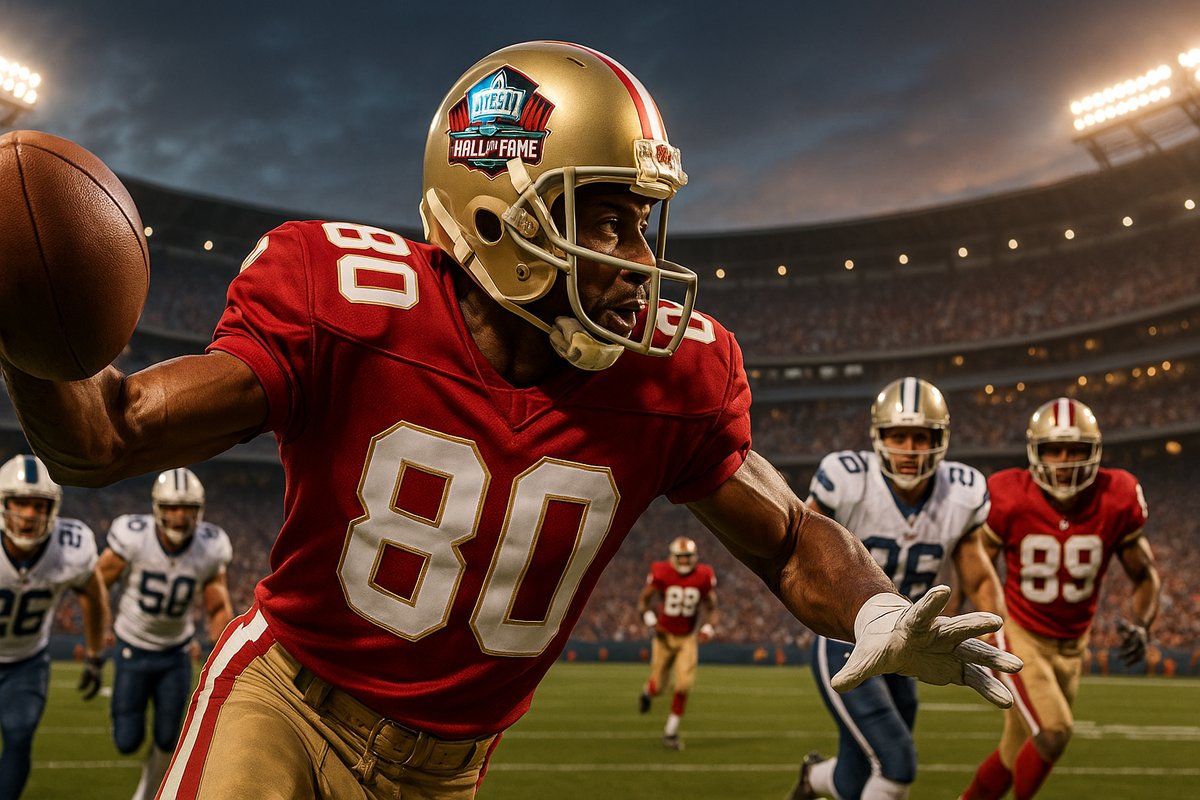
Diving into the player profiles of these Hall of Famers, you quickly realize the difference between raw talent and the guys who actually bend a franchise around their will. I’ve studied enough film to know that elite QBs like Joe Montana didn’t just throw the ball—they manipulated coverage schemes and forced linebackers to hesitate in their drops. Montana’s four Super Bowl wins and three MVPs, paired with 40,551 passing yards and 273 touchdowns, still echo in how modern offenses teach timing routes under pressure. When you’ve lined up in a defensive scheme, you understand exactly why his comebacks with the 49ers became the blueprint for late-game execution that still influences draft prospects today.
What separates Montana’s profile from other accomplished quarterbacks is his ability to thrive in clutch moments. His Super Bowl performances weren’t just statistically dominant—they were methodical. He orchestrated game-winning drives with the kind of patience that made receivers trust his decision-making. Young signal-callers studying film recognize how Montana would use play-action to set up intermediate throws, creating space for receivers running crossing routes. That fundamental approach to dissecting defenses remains the gold standard for quarterback development, particularly for prospects who need to understand that Hall of Fame success comes from repeatable excellence rather than highlight-reel moments.
Johnny Unitas took that same aerial attack and made it a weapon against stacked boxes. His 47-game touchdown streak and two championships came with 40,239 yards in an era that rarely asked quarterbacks to sling it 40 times a game. From a defender’s view, Unitas showed how a precise intermediate game could stretch even the most disciplined fronts, giving coaches the kind of tape that changed how we teach progression reads. His command of the two-minute drill became legendary—a skill set that modern quarterbacks still measure themselves against. Unitas’ willingness to take calculated risks downfield, combined with his meticulous mechanics, created a template for success that transcended generational differences in the game.
The Unitas profile also demonstrates how quarterback longevity played out in his era. Despite playing 18 seasons, often behind inferior offensive lines, he maintained elite efficiency. This consistency shaped how franchises began valuing quarterback health and proper pocket management, elements that persist in contemporary player evaluation.
Running backs in the Hall of Fame profiles tell a different story—one written in the trenches. Walter Payton’s 16,726 rushing yards and 110 touchdowns weren’t just volume; they were the product of elite vision and the kind of pad level that let him stay on his feet through arm tackles. I’ve seen enough gap discipline breakdowns to know how a workhorse back like Payton could tilt the entire tempo of a game, wearing down second-level defenders and opening lanes that weren’t there on the first read. That durability helped define Bears culture long after his career.
Beyond statistics, Payton’s profile reveals his exceptional blocking ability—a trait that separated him from contemporaries. He actively engaged defensive ends and linebackers on outside runs, which extended plays and created explosive opportunities for complementary receivers. This willingness to contribute in all aspects of the game became the standard for measuring complete running back performance. Teams now prioritize backs who understand that Hall of Fame validation comes through impact beyond rushing yards, including pass protection and special teams contributions.
Emmitt Smith took it further with the all-time rushing record at 18,355 yards and three Super Bowl rings. His multiple 1,000-yard seasons came from consistent footwork and blocking awareness that let Dallas build balanced attacks. When you watch the film, you see how his patience in pressing the hole forced linebackers to overcommit, creating the explosive cuts that turned regular-season wins into playoff runs. Smith’s approach to reading blocks in real-time became a teaching point for offensive coordinators trying to develop instinctive backs. Unlike runners who attack downhill with pure speed, Smith understood how a half-second delay could convert a three-yard gain into a twelve-yard explosion.
Smith’s profile also demonstrates the importance of offensive line chemistry. His success in Dallas wasn’t isolated—it came alongside Hall of Famers like Troy Aikman and Michael Irvin, plus an elite offensive line anchored by Larry Allen. This element of team construction remains relevant today, showing that individual statistics require systemic support. The Cowboys’ ability to balance run and pass offense, with Smith as the centerpiece, created defensive nightmares that compounded through four quarters.
On the defensive side, Lawrence Taylor changed everything a linebacker was supposed to be. His 132.5 sacks and Super Bowl XXV title came from a relentless get-off that dictated game plans before the ball was even snapped. When you’ve lined up in a defensive scheme, you understand how one disruptive force like Taylor could make an entire offense abandon its identity and go conservative. That kind of film still gets studied by every edge prospect trying to make an impact on championship defenses. Taylor’s profile showcases revolutionary athleticism for his position—he combined size, speed, and instinctive diagnosis in ways that hadn’t been consistently replicated at the linebacker position.
The Taylor era also revolutionized offensive game planning. Coaches began building elaborate schemes specifically to account for dominant edge rushers, creating double-team packages and chip blocks that fundamentally altered how offenses approached blocking schemes. This arms race between dominant defenders and innovative offensive minds continues to shape football strategy.
Reggie White brought a different kind of power. His 198 sacks and Super Bowl XXXI win with the Packers showed what happens when strength meets speed off the edge. Profiles like his prove that defensive stats don’t just show up on the stat sheet—they translate into franchise stability and the ability to close out Super Bowls when the moment demands it. White’s technical excellence in hand placement and leverage allowed him to shed blocks consistently, turning gap integrity into a liability for opposing offenses. His success across multiple teams—Philadelphia, Green Bay, and Carolina—demonstrates that elite defensive talent transcends system specificity.
White’s profile also highlights the importance of cardiovascular conditioning. His ability to maintain disruptive pressure throughout all four quarters separated him from flash-in-the-pan edge rushers. Teams beginning to employ sophisticated conditioning programs recognized that Hall of Fame defensive performance requires sustained intensity across 16-game seasons and playoff runs.
Key facts that stand out from the tape include Joe Montana completing 63.2 percent of his passes for a 92.3 rating, Walter Payton averaging 4.4 yards per carry over 13 seasons, Emmitt Smith scoring 164 total touchdowns, Lawrence Taylor earning 10 Pro Bowls and two Defensive Player of the Year awards, and Reggie White leading the league in sacks twice with double-digit totals in 12 seasons. Johnny Unitas threw for over 3,000 yards in four seasons despite a run-heavy era. Four Hall of Fame quarterbacks have won multiple Super Bowl MVPs, running backs in the Hall average more than 12,000 career rushing yards, defensive players make up nearly 30 percent of inductees, and teams with multiple Hall of Famers win 65 percent of championship games.
When evaluating contemporary players against these Hall of Fame profiles, scouts and analysts look beyond raw statistics to contextual excellence. How does a prospect perform in clutch situations? Can they impact winning despite inconsistent supporting cast? Do they demonstrate durability across multiple seasons? These questions become crucial when projecting whether today’s standouts will eventually join the pantheon of Hall of Famers. The profiles of inductees show that longevity, consistency, and championship success combine to create the ultimate resume.
At the end of the day, these profiles show how the best players combined physical traits, scheme fit, and leadership to leave marks that still shape how we evaluate draft prospects and break down film. Modern front offices recognize that Hall of Fame trajectories require more than individual excellence—they demand an ability to elevate teammates, adapt to rule changes, and maintain peak performance across extended careers. When scouts study contemporary players, they’re essentially asking whether those prospects possess the same competitive DNA and football intelligence that these legendary profiles demonstrate.