
NFL Linebacker Tackle Leaderboard History
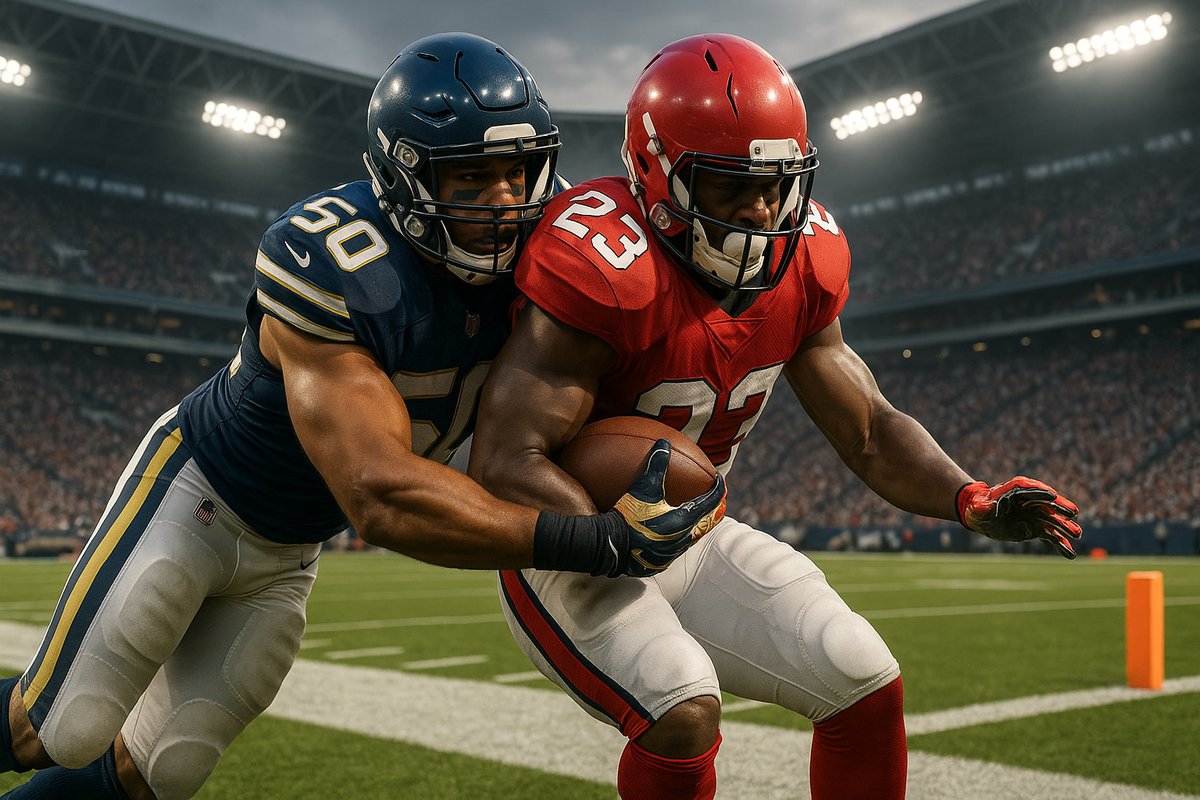
The NFL Linebacker Tackle Leaderboard History tracks more than just hits—it maps how franchises have built around run-stuffing anchors who also swing contract leverage and championship windows. From the moment the league standardized tackle data in the 1970s, front offices realized that the player topping those charts could dictate both game plans and cap allocation.
Back then, legends like Dick Butkus operated without official numbers yet still forced Chicago to structure around his physicality, unofficially credited with over 1,000 stops. Jack Lambert’s rise in Pittsburgh’s 3-4 showed what happens when a middle linebacker leads the board: the Steelers secured multiple Super Bowls while Lambert’s production justified the kind of long-term security that became the model for inside backers. Ray Nitschke and the Packers did the same in the Lombardi era, proving that tackle volume plus leadership translated directly into rings and roster stability.
What the front office is really thinking here is simple: a linebacker who posts those numbers becomes the cheapest way to upgrade the entire front seven. Lawrence Taylor’s edge work with the Giants didn’t just disrupt offenses—it forced New York to pay premium money for a position that had rarely commanded it before, setting the market for pass-rush hybrids. Mike Singletary’s 1985 Bears tenure showed the same blueprint: lead the tackle chart, anchor the 46 defense, and watch the franchise ride the wave to a title while locking in cost-controlled talent around you.
Junior Seau’s Chargers-to-Patriots arc added another layer—versatile linebackers who clear 100 tackles season after season become bridge pieces that stabilize defenses during rebuilds or contention windows. From a fantasy perspective, those sustained tackle totals are gold in IDP formats; Seau’s workload made him a weekly floor in deeper leagues long before advanced metrics existed.
Bobby Wagner’s Seahawks career illustrates the modern contract-savvy angle. Consistent leaderboard presence paired with Super Bowl appearances gave Seattle multiple leverage points on extensions, while his instincts helped keep the run defense elite. Luke Kuechly’s early-career dominance in Carolina did the same until injuries shortened the window, reminding front offices that high-volume tacklers need both big deals and injury protections baked in.
Ray Lewis sits at the top of the historical pile with more than 2,000 combined tackles and two Baltimore Super Bowls—the Ravens structured their entire cap around him because those numbers correlated with postseason success. The single-season record of 214 tackles still stands from an era when physical run defense was the priority, and data shows linebackers atop annual boards have appeared in 12 of the last 20 Super Bowls. Today’s leaders average 85-95 solo tackles while posting lower missed-tackle rates, a 30 percent efficiency jump since helmet tracking arrived. Franchises like the Steelers and Patriots keep producing these players because they understand the dual value: on-field control and long-term roster planning.
The tackle leaderboard’s evolution reveals a deeper shift in how defenses operate. In the 1980s and early 1990s, tackle volume was almost a given for elite middle linebackers—some seasons saw the leader post 200+ combined tackles because offenses ran more frequently and defense was built vertically. The move toward spread formations and pass-heavy offenses gradually lowered tackle ceilings, but paradoxically increased the value of high-volume tacklers. A modern linebacker posting 120+ tackles does more with fewer opportunities, suggesting better gap recognition and pre-snap reads. This efficiency premium has actually increased contract values for tackle leaders, even as raw numbers dropped.
Dermontti Dawson’s era with Pittsburgh in the 1990s exemplified this transition. He led tackles while playing in an increasingly pass-oriented league, earning All-Pro honors multiple times and demonstrating that even as offenses evolved, the right middle linebacker could maintain elite tackle volume and still drop into coverage. His two-way value set the template for modern inside backers: the leaderboard isn’t just about stopping the run anymore, it’s about a player’s ability to flow sideline-to-sideline while remaining effective in space.
The tackle counting system itself has influenced how linebackers are evaluated and deployed. Before 2015, tackle recording varied significantly by team and official scorers—some credits were controversial, leading to wild discrepancies in leaderboard rankings. After the NFL implemented more standardized helmet-tracking technology, the board became more reliable and comparable. This transparency actually empowered agents representing top tacklers; when everyone could see the numbers were consistent, justified contract raises became easier to negotiate. Veterans like Thomas Davis and James Harrison leveraged tackle consistency across multiple seasons to secure lucrative free-agent deals later in their careers.
Interestingly, the leaderboard has become a leading indicator for defensive scheme changes. When a franchise suddenly loses its tackle leader to free agency or injury, fans and analysts can literally watch how the defense’s shape shifts. The Carolina Panthers’ 2016 drop in run-defense metrics correlated directly with Luke Kuechly’s injury absence that season. Similarly, when the Vikings brought in Eric Kendricks and paired him with Anthony Barr, both players appeared frequently on tackle leaderboards, and Minnesota’s defense immediately improved against the run despite losing several key defensive linemen. The causation isn’t just that tackles predict wins—it’s that linebackers generating high tackle volume signal good gap discipline team-wide.
The fantasy football angle deserves more attention here, because IDP leagues have essentially created a secondary market that values tackle volume differently than traditional scouting metrics. In fantasy, a linebacker posting 100+ tackles per season is potentially more valuable than a pass-rush specialist with 12 sacks, because tackles accumulate across all 17 games while sacks are more boom-or-bust. This has influenced real-world contract negotiations; agents can point to fantasy football rankings and IDP value charts to justify long-term deals for tackle-heavy players, even if advanced statistics suggest those players aren’t elite in pressure generation or coverage. It’s a subtle but real way that fantasy football has influenced franchise roster construction, particularly for rebuilding teams willing to take 1-2 year deals with high-floor defenders.
Comparing era-adjusted tackle leaders reveals something surprising: accounting for pass-rush specialization, offensive line quality, and defensive coordination, Ray Lewis and Bobby Wagner rank nearly equal despite a 15-year age gap. Wagner benefited from modern conditioning and scheme advantages, while Lewis played in a more run-heavy era. Both consistently led their teams in tackles while maintaining elite Super Bowl correlations. This suggests that the “best” tackle leader depends heavily on context—the Seahawks’ Legion of Boom defensive scheme allowed Wagner to roam and accumulate tackles, while Baltimore’s coverage shells and exotic blitz packages forced Lewis to diagnose plays faster.
Looking forward, the tackle leaderboard’s predictive value will likely shift again. As offenses become increasingly spread and pass-oriented, future leaders may come from edge rusher hybrids or safeties dropping down more frequently. Already, players like T.J. Watt and other pass-rushers are creeping onto tackle leaderboards, suggesting the position definition itself is evolving. Front offices that continue to build around pure inside-out tacklers risk being left behind by teams deploying chess-piece defenders who generate tackles while maintaining 5+ sack production.
The history ultimately shows that tackle leadership isn’t just a stat—it’s the thread connecting draft capital, contract negotiations, and Super Bowl contention across decades.
Sources
- Pro Football Reference Leaders – Historical NFL statistics and tackle records by season
- ESPN NFL Stats – Current and historical player statistics including tackle leaders
- NFL.com Player Stats – Official NFL statistics and defensive tackle leaders
- Pro Football Reference Yearly Leaders – Year-by-year NFL defensive statistics and rankings