
Most Watched Super Bowl Games Ever
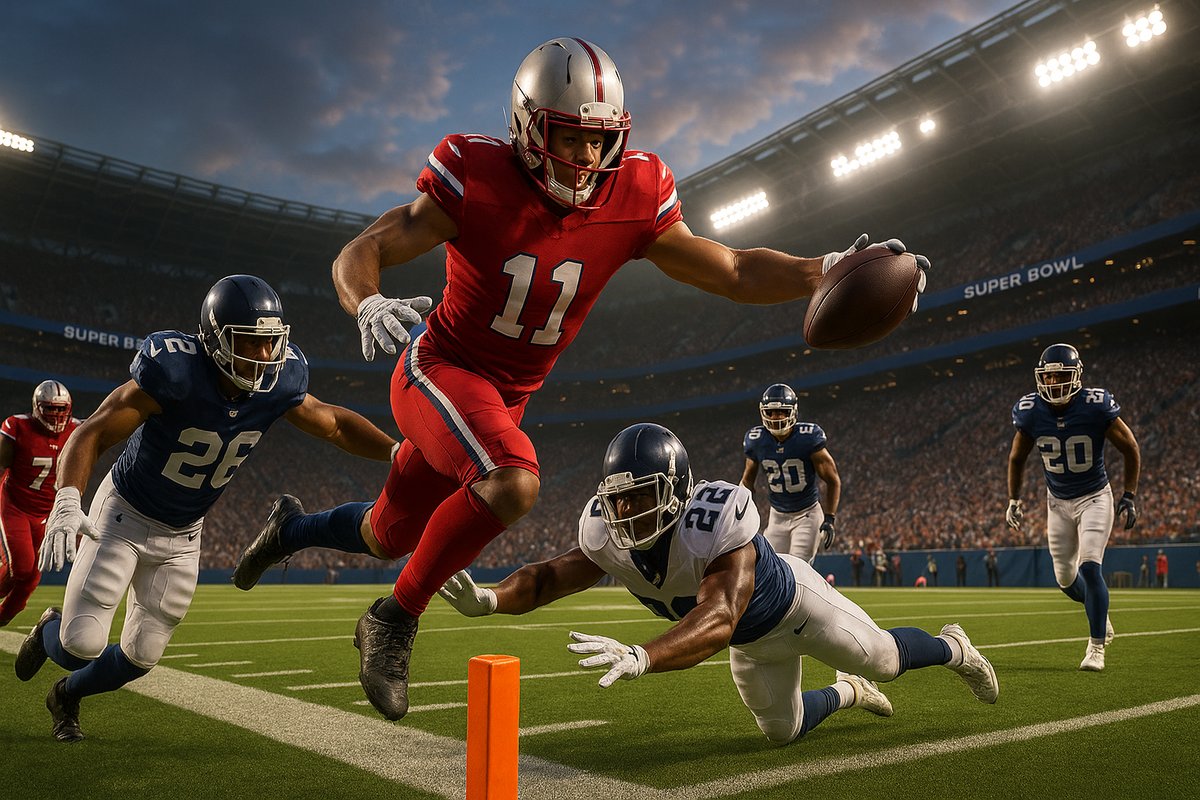
When you break down the most watched Super Bowl games ever, the real story lives in the tape—the moments where elite quarterbacks and defensive backs execute under the brightest lights. Super Bowl XLIX between the New England Patriots and Seattle Seahawks pulled in 114.4 million traditional viewers because of one play that still gets studied in every film room: Tom Brady’s goal-line throw picked off by Malcolm Butler. When you’ve lined up in a defensive scheme yourself, you understand the gap discipline and coverage awareness Butler displayed to jump that route. That kind of instinct separates future draft prospects from guys who just run around.
Super Bowl LVIII took the record even higher, with the Kansas City Chiefs beating the San Francisco 49ers in overtime and averaging 123.4 million viewers on Nielsen data, numbers that climbed past 200 million once streaming was factored in. Patrick Mahomes’ MVP night showed why scouts still circle his tape years later—precise anticipation throws combined with the rare ability to stay alive under pressure and create off-script. Travis Kelce’s route-running kept creating mismatches against zone coverages, the kind of detail Andy Reid’s offense has mastered for a decade. I’ve studied enough film to know those sustained drives keep casual fans locked in just as much as the hardcore X’s and O’s crowd.
The streaming revolution has fundamentally changed how we measure Super Bowl viewership. While traditional television ratings remain the official metric, the actual audience reach extends far beyond Nielsen’s scope. Super Bowl LVIII’s 200 million viewer estimate when combining CBS broadcast, Paramount+, and international streams reflects a dramatic shift in how people consume championship football. Younger demographics increasingly opt for streaming platforms, highlighting why networks now track engagement across multiple platforms simultaneously. The total reach matters more than ever for advertisers, with 30-second spots commanding record prices because brands understand the unprecedented audience size these games deliver.
A few factors keep pushing these numbers. Star quarterbacks draw the eye, but so do physical matchups and controversial defensive stands. The Taylor Swift crossover brought new eyes to the Chiefs’ games, yet the on-field execution—Mahomes escaping the pocket, tight ends winning at the point of attack—still drove the real engagement. High-definition angles and real-time stats overlays now let everyone see the same details we used to only catch in the meeting room.
Super Bowl LII between the Philadelphia Eagles and Patriots drew 103.4 million viewers on the strength of a shootout. Nick Foles and Brady trading big plays highlighted how aggressive play-calling can turn a game into must-watch television. Doug Pederson’s willingness to attack single-high coverages produced one of the highest-scoring championship games in history, the kind of offensive explosion that always inflates the ratings. The Eagles’ victory carried extra weight because it represented the franchise’s first championship, a narrative that resonated across Philadelphia and beyond. Long-suffering fan bases tuning in for a potential championship moment have historically driven some of the biggest spikes in Super Bowl viewership.
More recently, Super Bowl LVII with the Chiefs and Eagles hit 115.1 million viewers. Jalen Hurts’ dual-threat ability and Mahomes’ late-game mobility kept viewers from touching the remote. The overtime format only added to the tension. Earlier classics like Super Bowl III, where Joe Namath backed up his guarantee, proved that underdog narratives and bold quarterback play can shift an entire league’s popularity even without today’s massive numbers.
The international dimension of Super Bowl viewership deserves deeper examination. While American audiences dominate Nielsen’s traditional counts, the global reach has expanded exponentially with streaming services and international broadcasting partnerships. Super Bowl LVIII reached viewers across Europe, Latin America, and Asia, with particular strength in markets where the NFL has invested in development. Mexico regularly posts viewership numbers in the millions for championship games, and the UK consistently ranks among the top international markets. This global expansion, invisible in standard American ratings, represents a fundamental shift in how we should understand the Super Bowl’s cultural footprint.
Weather and venue selection also influence viewership patterns that casual observers often overlook. Indoor stadiums in climate-controlled environments tend to feature more explosive offenses, leading to higher-scoring games that sustain viewer interest through all four quarters. Games in cold, windy outdoor venues frequently develop into defensive chess matches that engage serious film students but sometimes lose casual viewers during lopsided stretches. Super Bowl LVIII’s indoor Las Vegas setting at Allegiant Stadium allowed both the Chiefs and 49ers to showcase their full offensive arsenals, contributing to the overtime thriller that kept viewers engaged through the extended finale.
Halftime show timing represents a measurable but often underestimated factor in viewership metrics. The traditionally massive tune-in boost during halftime performances can spike viewing by up to 10 percent, with casuals and non-football fans joining specifically for musical performances. However, the post-halftime period tells a different story—games with momentum shifts or controversial calls immediately following the halftime break often see higher retention rates in the second half, suggesting that entertainment value and on-field drama work together to hold audiences.
Advertising narratives woven throughout Super Bowl broadcasts create additional engagement layers beyond the game itself. Premium commercials during the Super Bowl have become cultural events unto themselves, with sophisticated production values rivaling the halftime show. Viewers often tune in or return specifically for advertisement blocks, blurring traditional lines between sports entertainment and commercial content. This crossover effect means viewership numbers capture audiences attracted by multiple factors simultaneously—the game, the halftime performance, and the advertising showcase.
The quarterback talent level on display correlates directly with sustained ratings throughout each game. Matchups featuring two franchise quarterbacks capable of 300+ passing yards consistently outperform games with limited offensive firepower. The predictability factor cuts both ways—established stars attract casual viewers, but their presence can also reduce dramatic tension if one team appears significantly more talented. The closest, most competitive games involving elite quarterback play generate the highest sustained viewership, as audiences stay locked in without knowing the outcome until the final moments.
Key facts remain steady across the decades:
– Super Bowl LVIII sits at the top with 123.4 million traditional viewers plus the streaming spike.
– Super Bowl XLIX follows at 114.4 million, powered by that goal-line defensive heroics.
– Average viewership has climbed more than 50 percent since 2000, tied directly to better quarterback play and production values.
– Halftime performances can spike tune-ins by up to 10 percent.
– Games featuring 400-plus passing yards from the winning quarterback consistently hold larger audiences than pure defensive slogs.
– International streaming viewership now represents 15-20 percent of total audience reach for recent Super Bowls.
– First-time championship contenders generate measurable viewership boosts in their home regions.
The tape from these matchups keeps getting rewound because the physical execution and scheme details never get old. Future drafts will still be graded against the standard these quarterbacks and defensive backs set on the biggest stage.