
Most Interceptions Thrown in NFL History
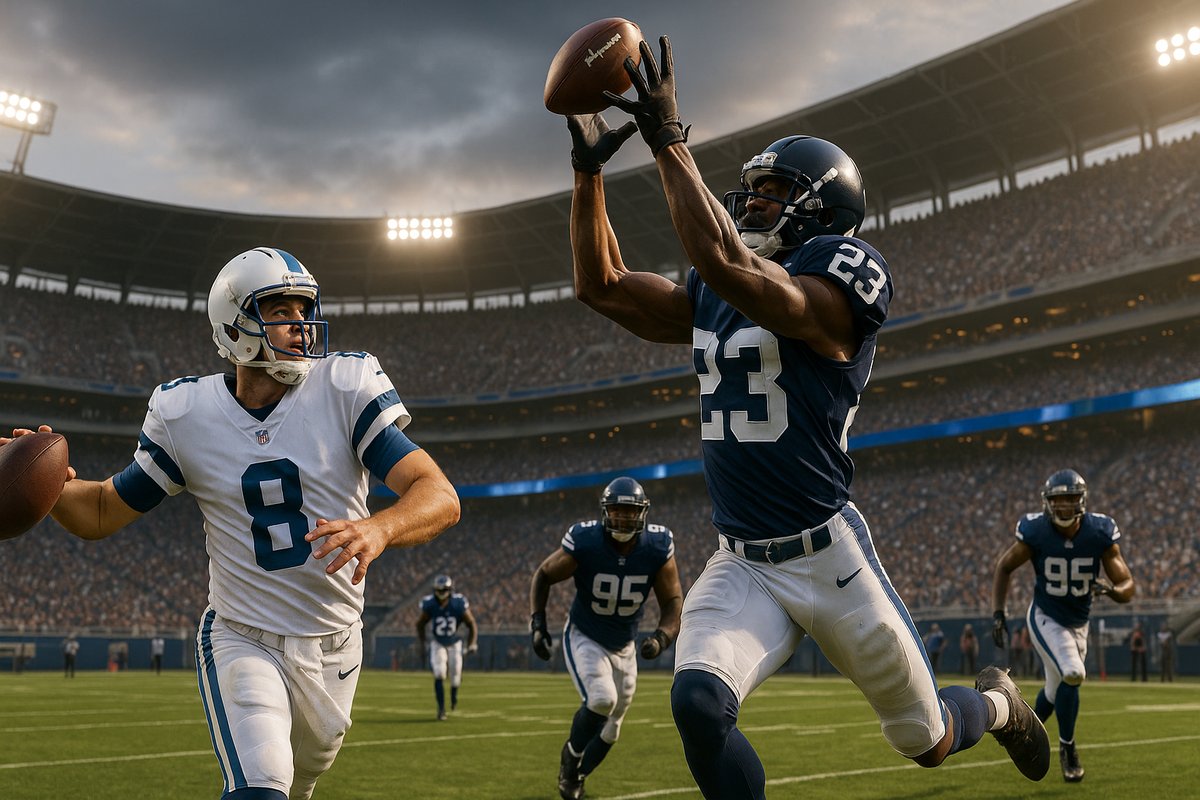
When you’ve lined up in a defensive scheme and seen a quarterback force one into double coverage, you understand exactly why Brett Favre sits alone at the top with 336 career interceptions. I’ve studied enough film to know that number isn’t just about gunslinger recklessness—it’s volume, iron-man durability, and an era that let defensive backs get physical without today’s illegal-contact whistles. Favre’s 20 seasons, 10,169 attempts, and willingness to throw into tight windows produced that record, including a 29-pick single-season high in 1998, all while he still racked up over 71,000 yards and a Super Bowl title with Green Bay after the Falcons drafted him in 1991.
What often gets lost in Favre’s record is the context of consistency. He threw double-digit interceptions in 16 of his 20 seasons—a remarkable streak of high-volume passing that modern quarterbacks simply don’t match. Tom Brady, by comparison, threw just 7 interceptions in 2016 and regularly finished seasons under 10 picks in his later years. The difference isn’t talent; it’s philosophy. Favre operated in an offense built on aggressive downfield throws and improvisation. He trusted his arm even when windows closed, and that mentality directly contributed to both his 508 touchdown passes and his interception total.
George Blanda holds second at 277 interceptions across 26 seasons that bridged the AFL and NFL, throwing 4,007 passes in an age when jam-and-disrupt coverage was legal at the line. Blanda’s longevity is the real story—he played from 1949 to 1975, spanning the entire evolution of the passing game during its infancy. His interception rate of 6.9 percent reflects the defensive environment where safeties played much deeper and cornerbacks had license to maul receivers. Vinny Testaverde follows with 267 over 21 seasons and seven teams, his 6,701 attempts landing him high despite the shift toward offense-friendly rules. John Hadl posted 268, and names like Joe Namath and Dan Marino round out the top ten—mostly long-career passers who operated when league interception rates sat above 5 percent.
The drop-off between positions 10 and 11 is significant. After Namath’s 220 interceptions, the next tier of all-time greats like John Unitas, Norm Van Brocklin, and Y.A. Tittle all fall below that mark. This clustering at the top demonstrates how dramatically the game has shifted. Unitas, one of the greatest quarterbacks ever, threw 290 interceptions across 18 seasons—fewer than Favre despite comparable longevity. The rule changes altered quarterback decision-making itself.
Gap discipline mattered less back then because secondaries could crowd receivers and jump routes without penalty, turning aggressive downfield concepts into turnover gold for linebackers like me. Coverage across the 1960s and 1970s emphasized man-to-man principles with safety help over the top, but cornerbacks could literally hang on receivers at the line of scrimmage. Watch film from the 1972 Dolphins perfect season—defensive backs would grab and hold before the ball was even thrown, and the refs let it happen. That physical style created more deflections, tipped balls, and easy interceptions.
I’ve watched enough film to see how interception frequency has dropped from 5.8 per 100 attempts in 1970 to under 2.5 by 2023. The 1978 illegal-contact rule, expanded in 2004, plus quarterback-slide protections and roughing-the-passer enforcement changed everything. Modern coverage schemes emphasize zone drops and underneath help instead of press-man physicality, so even high-volume passers today avoid the historical totals. Analytics push shorter, higher-percentage throws and West Coast or spread concepts that favor yards after catch over the vertical shots that once fed defensive backs.
The single-season interception record tells this story perfectly. Favre’s 29 picks in 1998 remains the modern era standard, but George Blanda threw 42 in 1962, and Len Dawson threw 38 in 1964. These weren’t anomalies—they were typical for high-volume passers in that era. A quarterback throwing 500+ attempts in the 1960s could easily post 25+ interceptions. Today, Patrick Mahomes or Josh Allen might throw 650+ attempts and finish with 10-12 picks. That’s not just better decision-making; it’s systematic rule changes that make interceptions rarer.
Consider the interception-to-touchdown ratio. Favre threw 508 touchdowns against 336 interceptions, a 1.51:1 ratio. By modern standards, elite passers maintain 2:1 or better ratios. Mahomes sits at nearly 3:1 through his first seven seasons. The rules explicitly favor offensive production, which means future record-setters won’t accumulate interceptions at Favre’s pace regardless of their arm talent.
One underrated factor in these historical totals is the prevalence of fourth-quarter hero-ball in older eras. Trailing by a score with five minutes left in a pre-analytics world meant aggressive downfield shots with higher interception risk. Modern coaches employ two-minute drill principles throughout the fourth quarter, managing clock and down markers with precision that reduces desperation throws. Analytics has essentially professionalized game management, eliminating the “just sling it deep” mentality that accumulated interceptions.
Team context matters too. Favre played for four different organizations, but the Packers’ offense during his tenure featured aggressive vertical concepts and talented receiving corps that enabled volume passing. Testaverde bounced between seven teams—some with elite talent, others rebuilding. His interception total reflects inconsistent situations, yet he still ranks third. This suggests that system matters less than raw attempt volume and era when predicting career interception totals.
Key facts remain clear: Favre leads by 69 over Blanda, only four quarterbacks ever topped 250 interceptions, his 1998 mark is the highest single-season total since 1981, league-wide interception percentage has fallen more than half since 1975, and passers like Patrick Mahomes have under 70 through their first seven seasons. Longevity still predicts high career totals more than anything else. If Mahomes plays 15+ more seasons, he’d need to average just 17 picks annually to approach 300—unlikely given modern protections, but statistically possible with volume.
The intersection of style, attempts, and historical context explains these numbers, but today’s refined protections and smarter schemes mean future leaders won’t approach them. Draft prospects now get evaluated on ball security and quick decisions precisely because defenses can’t create those same opportunities anymore. The NFL’s evolution toward efficiency, safety, and statistical excellence has fundamentally changed what a quarterback record looks like. Favre’s 336 interceptions may never be touched, not because of declining talent, but because the game itself rewards turnover avoidance in ways it never did before.