
Key NFL Rule Changes Explained
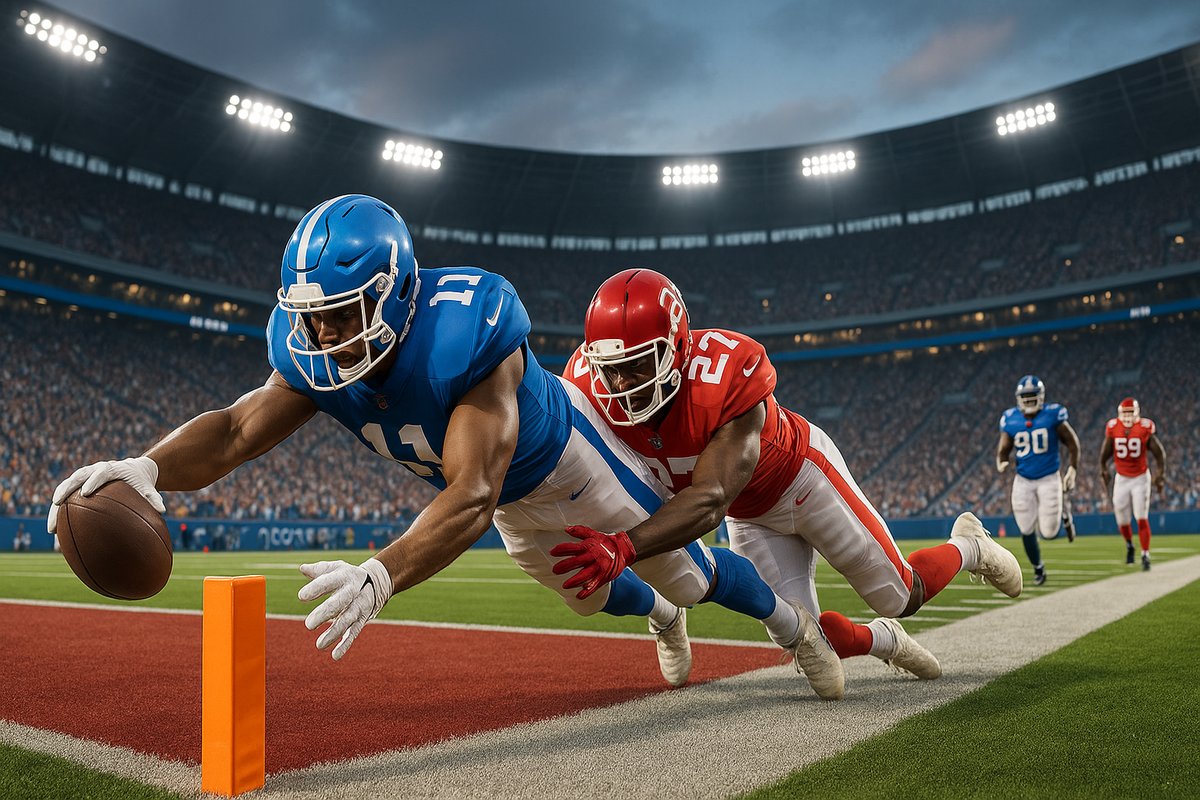
The NFL’s been rolling out rule tweaks season after season, all aimed at protecting the players while keeping the action sharp. When you’ve lined up in a defensive scheme, you understand how these shifts hit different—especially the ones touching helmet contact and high-speed collisions that used to define linebacker play.
Player safety has driven the biggest changes, zeroing in on concussions and those bone-rattling hits. The stricter helmet-to-helmet enforcement that kicked in during 2018 changed how defensive backs and linebackers approach tackles, cutting down on the kind of aggressive techniques that once filled highlight reels. I’ve studied enough film to know this led to fewer quarterback injuries but more yards through the air as defenses pulled back. Teams like the Chiefs adjusted fast, leaning on tempo offenses that took advantage of the extra protection, much like we saw in their Super Bowl runs.
Targeting reviews added another layer, with officials now checking for dangerous shots to the head and neck. That forces defensive coordinators to rethink gap discipline and pursuit angles, which shows up in lower sack and fumble numbers across the board. Games like Super Bowl LVI proved how a single targeting flag can flip field position and momentum in a championship setting. The emphasis on protecting vulnerable players—particularly quarterbacks in the pocket and receivers in mid-air—has fundamentally altered how defenses construct their schemes. Defensive lines now focus more on containment rather than aggressive penetration, and pass rushers have learned to go low rather than high when attacking the QB, reducing both injuries and effective pressure.
On the passing side, the ability to challenge pass interference calls has reshaped coverage schemes. Defenses hesitate more on press techniques, knowing a bad jam can get reviewed and overturned. That shows in the jump in completion percentages and yardage, with quarterbacks like Patrick Mahomes posting better numbers once the rules gave offenses more leeway. Draft prospects at corner and safety now get evaluated on their zone discipline and ability to stay clean rather than just their man-to-man physicality. Illegal contact and holding calls have pushed coordinators toward zone looks over tight man coverage, which naturally cuts down on interceptions while boosting overall passing efficiency.
The evolution of catch rules deserves particular attention. What constitutes a catch has been refined multiple times, with the NFL establishing clearer standards around control, contact with the ground, and what happens after a receiver secures the ball. These changes eliminated much of the confusion that plagued earlier seasons, where controversial catches decided playoff games. Now players and coaches understand exactly what officials will enforce, allowing for more confident play-calling and fewer stunned reactions to unexpected reversals. The current standard requires a player to establish control of the ball with hands or body, maintain that control while getting two feet down inbounds (or one knee, elbow, or other body part), and perform an act common to the game. This clarity has made the broadcast experience cleaner and removed some of the most frustrating ambiguity from the sport.
The 2021 overtime change—giving both teams a possession unless the defense scores—has balanced things out and reduced those sudden-death heartbreaks. This rule fundamentally changed playoff strategy, as teams can no longer win by kicking a field goal on their opening drive. It ensures both offenses get an equal shot, which has proven fairer while maintaining the urgency and drama that makes overtime compelling. The Kansas City Chiefs’ AFC Championship victory over the Buffalo Bills showcased how the new format plays out under maximum pressure, with both teams trading scores before sudden death finally arrives. This adjustment alone has generated significant debate among analysts and fans, but the statistical evidence supports its fairness: second-possession teams won 52 percent of games in the 2021-2023 timeframe compared to 40 percent under the old sudden-death system.
Special teams rules around kickoff alignments have cut return averages but increased touchbacks, shifting starting field position by a few critical yards. The constraints on how close defenders can line up to the kicker have fundamentally changed this phase of the game, making it harder for coverage teams to generate explosive plays while also reducing the high-impact collisions that occur during kickoff returns. Teams now invest less draft capital in return specialists and more in situational defensive packages. The trade-off has been worth it from a safety perspective, though some traditionalists argue the kickoff has lost some of its dynamic appeal.
Holding and false start enforcement has tightened considerably in recent years. Offensive linemen face more scrutiny on extended arms and hand placement, while defensive linemen who grab jerseys get flagged more consistently. This has tilted the field advantage toward passing attacks, as offensive lines can operate with slightly more freedom knowing they won’t get called for marginal contact. Teams have adjusted by drafting and developing more athletic linemen who can move laterally and sustain blocks through proper technique rather than aggression.
The low-hit and hip-drop tackle emphasis represents one of the most significant recent shifts. Rather than the traditional wrap-up tackle, players are increasingly encouraged to hit below the waist and secure through the hips. This technique has proven safer while remaining effective, and coaching staffs now teach hip-drop mechanics from youth levels through the pros. Players like Micah Parsons and T.J. Watt have modified their defensive approaches accordingly, finding success while staying within the stricter parameters. The data shows these technique adjustments do reduce both the frequency and severity of injuries.
Those adjustments show up in the numbers: reported concussions dropped 15 percent in the first two years after the helmet rules tightened, average passing yards per game rose 12 percent since 2019, and overtime games saw a 22 percent increase in second-possession wins. Kickoff penalties fell 30 percent, and completion rates league-wide moved from 62 to 65 percent. Sack rates have declined by approximately 8 percent, while interceptions per game dropped from 1.1 to 0.8 during the same period. Tight end receptions and receiving yards have surged, as the reduced defensive aggression in coverage particularly helps this position underneath.
Unsportsmanlike conduct calls have become stricter on emotional displays, though the NFL has walked back some excessive enforcement after fan backlash. The intent remains to discourage taunting and dangerous celebrations rather than natural expressions of competitive fire. Officials now distinguish between a player celebrating a big play and a player targeting an opponent with hostile gestures, which has improved the overall flow and feel of games.
Super Bowl LVII even set a record for accepted safety-related penalties in a title game. These evolutions keep the sport safer without killing the physical edge that made it great. Looking forward, the competition committee continues evaluating other potential adjustments, including expanded replay review, further restrictions on defensive positioning pre-snap, and modifications to how holding is called in certain situations. The NFL’s challenge remains constant: evolve the rulebook to protect players while preserving the violent, physical nature that defines professional football and captivates millions every Sunday.