
How to Read NFL Passing Stats
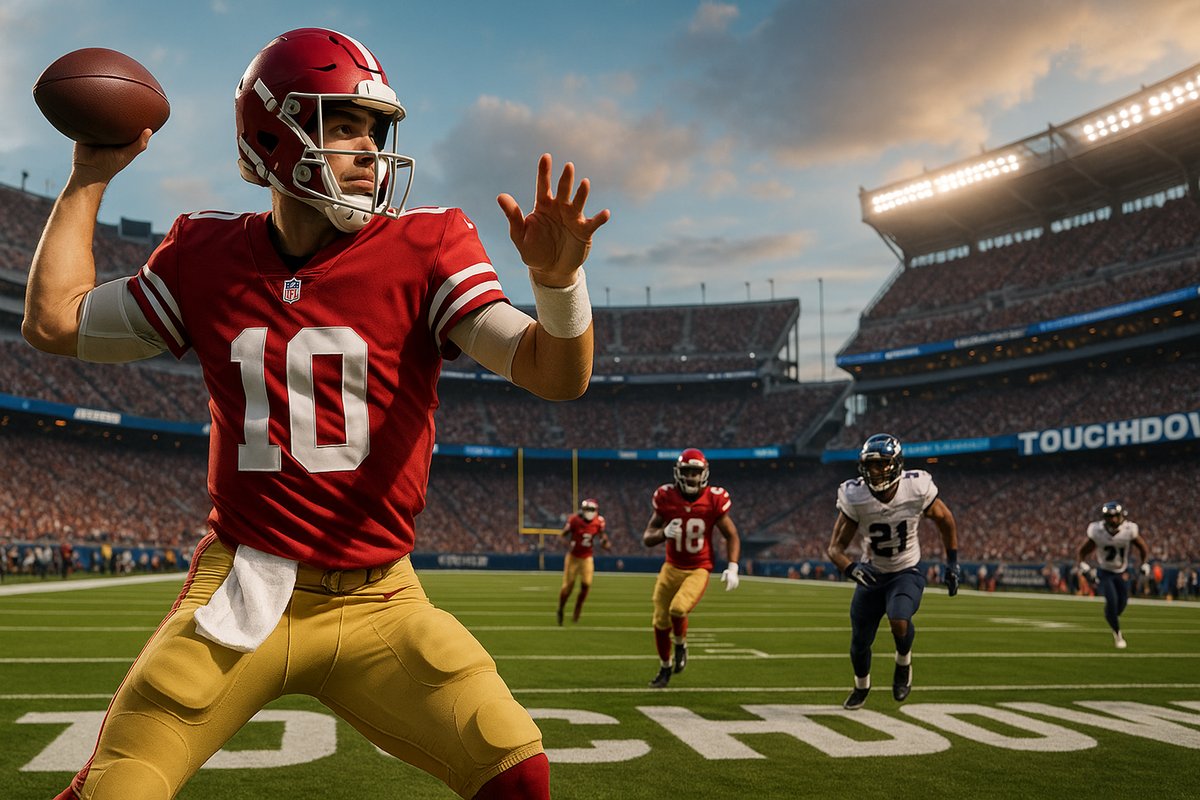
After twelve years in the press box, I’ve come to appreciate that NFL passing stats aren’t just numbers—they’re leverage points in contract negotiations, signals for front-office rebuilds, and the difference between a fantasy league winner and a last-place squad. Learning to read them properly lets you spot which quarterbacks are truly moving the needle versus those riding volume in pass-heavy schemes.
Start with the basics: completions, attempts, completion percentage, yards, touchdowns, and interceptions. That completion rate above 65 percent tells you a quarterback is placing the ball where only his receiver can get it, which matters when you’re evaluating whether a team should extend him before his rookie deal expires. Raw passing yards look impressive until you break them down by yards per attempt—anything north of 7.5 signals a guy who’s pushing the ball downfield instead of leaning on checkdowns that keep the clock moving but don’t stretch defenses. From a fantasy perspective, those touchdown totals jump out for weekly matchups, but you have to weigh the interception rate too, because one pick-six can erase a big fantasy day and tank your matchup. Front offices notice the same thing: a quarterback consistently under 2 percent interceptions is the type who keeps his cap number manageable because he avoids the costly mistakes that lead to benchings and stalled negotiations.
Sacks and lost yardage add another layer, showing how well the offensive line is protecting its investment. A high sack total often means the front office is about to spend draft capital on reinforcements rather than locking up the quarterback long-term. When analyzing sacks, it’s critical to distinguish between those caused by broken plays and poor protection versus those resulting from the quarterback holding the ball too long. Some passers extend plays with their feet and rack up sack totals that don’t reflect line performance—a distinction that matters when teams are deciding whether to invest in offensive line upgrades or replace the quarterback entirely.
Once you move past the surface, advanced metrics like adjusted net yards per attempt and passer rating separate the elite from the average. A rating over 100 is the modern benchmark for a franchise guy who can justify top-of-the-market money. ESPN’s Total QBR factors in clutch situations and opponent strength, which is exactly what GMs use when deciding whether to trade assets for a veteran or roll with the young starter. Completion percentage over expected is particularly telling—it shows whether a quarterback’s arm talent is creating plays or if he’s simply benefiting from wide-open receivers and yards after the catch. Air yards versus yards after catch helps you avoid overvaluing a passer whose stats are inflated by playmakers around him, something fantasy managers learn the hard way when that supporting cast hits free agency.
Understanding passer rating itself requires breaking down its four components: completion percentage, yards per attempt, touchdown percentage, and interception percentage. Each element is weighted equally in the formula, which means a quarterback can be excellent in some areas while struggling in others. A passer with a 70 percent completion rate but only 6.2 yards per attempt might have an inflated rating compared to someone with 63 percent completions and 8.1 yards per attempt, even though the latter is taking more vertical shots downfield. This distinction becomes crucial when comparing quarterbacks in different offensive systems—a West Coast offense will naturally produce higher completion percentages, while spread schemes emphasizing deep shots will show lower completion rates but potentially higher yards per attempt.
Context changes everything. A 4,500-yard season in a pass-first offense means less than the same total against top defenses or in bad weather. Comparing a quarterback’s numbers to the opposing defense’s defensive passer rating normalizes the performance and reveals who can actually carry a franchise. Red-zone efficiency is where contracts get decided—touchdowns inside the 20 often decide games and separate the MVP candidates from the merely productive. When a quarterback throws three touchdowns in the red zone versus settling for field goals, that’s the difference between winning a division title and missing the playoffs entirely.
Third-down conversion rates are another underrated stat that separates sustaining quarterbacks from volume passers. A quarterback with a 45 percent or higher conversion rate on third down is extending drives, controlling tempo, and keeping defenses off-balance. These are the situations where games are won and lost, and front offices pay premium money for quarterbacks who consistently convert in these critical moments. Additionally, two-minute drill statistics reveal clutch performance under maximum pressure—something that doesn’t show up in regular season totals but becomes crystal clear in playoff performance metrics.
From a fantasy perspective, quarterbacks who post elite efficiency in adverse conditions become league-winners in the playoffs, while front offices see the same splits as proof the player can handle the bright lights of a new market or a restructured deal. Weather splits are particularly valuable to track—a quarterback’s performance in rain and wind versus dome conditions can swing his weekly floor by five points or more in fantasy scoring. Teams also analyze weather trends when planning playoff rotations, knowing that some passers thrive in adverse conditions while others see their completion percentage plummet when the ball gets slippery.
The record book backs this up. Drew Brees’ 5,477 yards in 2011 still stands because he paired volume with efficiency. Yards-per-attempt leaders since 2000 have cleared 8.2 when everything clicks. League-wide completion percentage has climbed from 58 percent in 2000 to over 64 percent today, reflecting rule changes that reward accurate passers who can sustain drives and keep their teams out of third-and-long situations that burn cap space on failed drives. The evolution of these statistics tells the story of how the NFL has transformed into a passing league, with every team now prioritizing vertical spacing and receiver separation over traditional power running schemes.
Turnover-worthy play rates represent another advanced metric gaining traction in front offices. These are plays where the quarterback made a decision or execution error that should have resulted in a turnover but the defense failed to capitalize. A quarterback with a high turnover-worthy play rate is essentially getting lucky, and that luck tends to run out over a full season or multiple seasons. This metric helps identify which passers are truly accurate versus those benefiting from opposing defensive breakdowns—a critical distinction when evaluating long-term quarterback health and sustainability.
What the front office is really thinking here is long-term sustainability. Quarterbacks who combine high adjusted net yards per attempt with low interception rates tend to finish in the top five of MVP voting and keep their teams in playoff contention, which is exactly how you justify the massive second contracts that define modern roster building. When you see a quarterback posting 8.0+ yards per attempt with an interception rate under 1.5 percent while maintaining a 65+ percent completion rate, you’re looking at someone the market will pay $45 million annually or more because that profile reliably produces winning football.
One often-overlooked stat is time to throw, which reveals how quickly a quarterback gets the ball out and how much the offensive line is actually contributing to success. An elite passer who gets the ball out in 2.4 seconds or faster is putting pressure on defenses and minimizing sack opportunities. Compare that to a quarterback taking 2.8+ seconds per attempt, and you’ll often find one struggling with accuracy because receivers aren’t open yet or one benefiting from excellent pass protection.
Bottom line, these stats don’t just explain what happened last Sunday—they forecast who will be cashing checks and who will be searching for a new team when the next offseason rolls around.