
How NFL Scouting Combines Evaluate Prospects
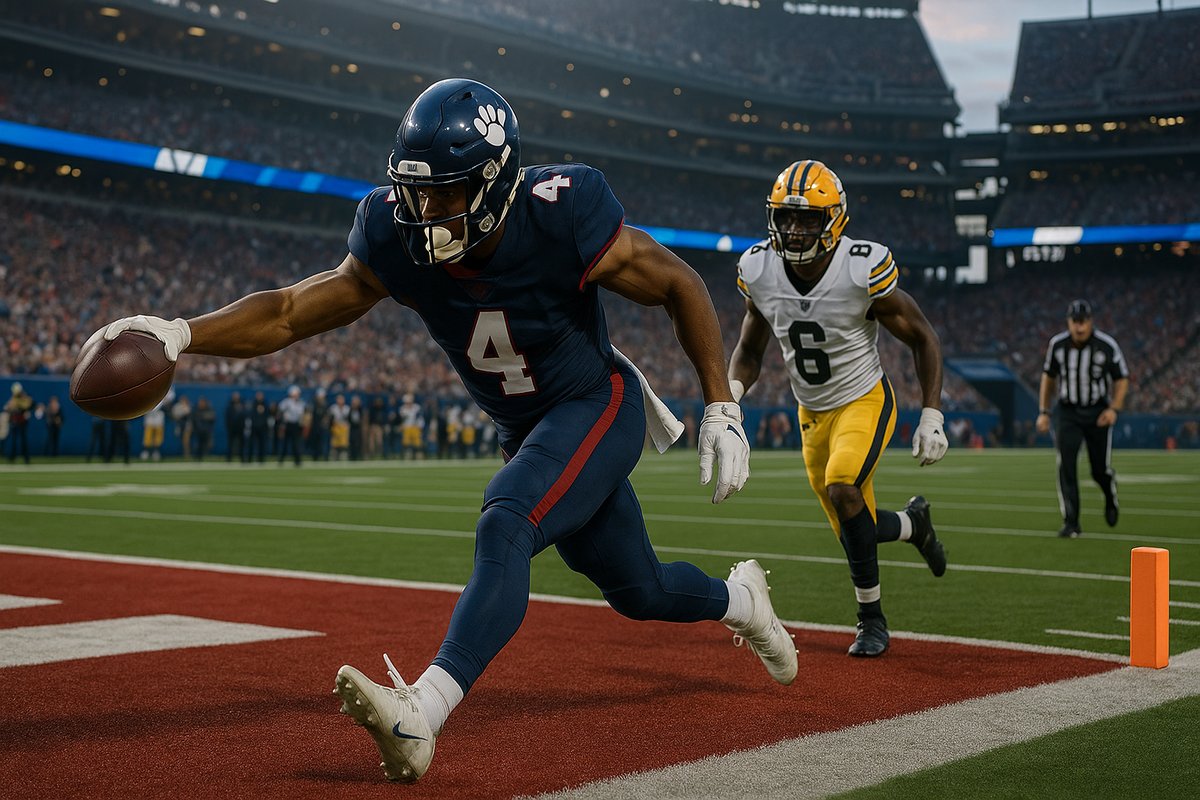
NFL scouting combines have become the ultimate proving ground where front offices separate the franchise-altering talents from the ones who’ll max out on rookie deals and fade. What started as a centralized fix for scattered campus visits back in the early ’80s has turned into a four-day data dump in Indianapolis, complete with motion-capture, GPS tracking and MRI suites that flag the medical red flags teams quietly factor into every contract negotiation.
The 40-yard dash still steals the headlines, but smart organizations know the real value sits in how those numbers translate to positional value and long-term roster control. John Ross’s record 4.22-second run in 2017 is the classic case: it bumped his draft stock and the guaranteed money attached to it, even though injuries later capped the return on that investment. From a fantasy perspective, those sub-4.5-second backs and receivers carry a 40 percent higher chance of becoming immediate starters, which is why drafters pay up for the speed premium in the first two rounds.
Beyond the headline event, the combine’s structured testing battery reveals exactly what scouts and front offices are measuring. The vertical jump tests explosive lower-body power—a metric that directly correlates with a linebacker’s ability to trigger downhill and a cornerback’s capacity to recover over the top. Bench press reps, typically performed at 225 pounds, measure upper-body functional strength that matters far more for edge rushers and interior linemen than it does for skill position players. The broad jump captures that same explosion from a horizontal perspective, and when a prospect posts elite marks in both, it signals the kind of rare athletic foundation that translates across multiple positions.
The Wonderlic test, administered to nearly every prospect, measures cognitive ability and processing speed—factors that scouts believe correlate with on-field instinct, play recognition, and the ability to learn complex NFL systems. Scores below 15 have historically triggered concern among teams planning to invest significant draft capital, while prospects posting 30-plus have sometimes been overcorrected for in pre-draft grades, landing in situations where athletic traits matter far more than IQ on their particular position. Quarterbacks, unsurprisingly, carry the highest expectation here; recent top-10 QB selections have averaged Wonderlic scores in the mid-20s, though the test’s predictive value remains hotly debated among analytics-focused front offices.
Modern testing layers in the three-cone and shuttle to quantify change-of-direction—critical for defensive backs who need to stay in phase on man coverage. Clubs that hit on defensive backs posting sub-7.0-second three-cone times have repeatedly built top-10 defenses, the kind that keep second contracts reasonable because the players are already producing before their fifth-year options kick in. The shuttle run, measured at 60 yards with a 10-yard box in the center, strips away the straight-line speed equation and forces lateral agility into the equation. A tackle with a 4.5-second shuttle has likely got the hip mobility to line up at guard; a receiver who runs it in under 4.1 seconds probably has the deception skills to create separation off the ball.
Medical screenings add another layer: roughly 15 percent of prospects walk out with findings that reshape their rookie contract guarantees or push them down draft boards entirely. Teams employ orthopedic specialists, radiologists, and cardiologists to conduct exhaustive evaluations—MRIs on shoulders, knees, and ankles; EKGs and stress tests for cardiac issues; and interviews about family medical history that might signal genetic predisposition to injury or degenerative conditions. A prospect with a history of ACL issues might test athletically elite but still fall two rounds due to medical red flags. Conversely, a player with marginal measurables might climb the board if the medical team gives him a clean bill of health and certifies he’ll hold up for a four-year rookie contract.
The on-field positional work showcases technique and instinct in ways that film alone cannot capture. Quarterbacks throw to actual NFL receivers in timed routes, allowing scouts to evaluate arm angles, release points, footwork and decision-making against live movement. Offensive linemen execute one-on-one pass-protection drills against elite pass rushers, separating the prospects who’ve truly mastered technique from those relying on size and strength. Running backs navigate cone courses and catch passes out of the backfield, testing both their lateral agility and their hands in controlled settings. These drills matter because they compress what college coaches spent four years evaluating into thirty-second segments that every team can compare directly.
What the front office is really thinking here is how this data feeds into Super Bowl blueprints. The Chiefs used Patrick Mahomes’s throwing-session dominance and arm-strength metrics to justify moving up for him, knowing the rookie-scale deal would give them three years of cost-controlled production before the extension math got ugly. Twelve of the last fifteen Super Bowl winners featured multiple first-round picks whose combine numbers sat above positional averages in both speed and power—proof that measurable athleticism still correlates with the sustained excellence needed for multiple playoff runs. The 2023 Kansas City roster that won Super Bowl LVII featured first-round picks in Mahomes, Travis Kelce, and L’Jarius Sneed—all three posted above-average athletic metrics at the combine relative to their positions.
Teams increasingly deploy their own private workout sessions for top-target prospects, replicating combine drills in controlled environments where injury risk feels lower and coaching feedback can be more detailed. These thirty-minute sessions with the player’s preferred competition-training coaches sometimes produce wildly different numbers than official combine results, which is why smart analysts track both. A prospect who underperforms at the combine but dominates in a private workout might be signaling anxiety, unfamiliar testing conditions, or inadequate preparation—factors that matter less to teams confident in the athlete’s true ability.
Advanced analytics now blend those numbers with college film and interview grades, creating models that project not just Pro Bowl odds but the likelihood a player reaches a second contract without major dead-cap hits. For fantasy managers, that means monitoring which mid-round prospects post outlier jumps or bench-press reps; those hidden athletic traits often signal the late-round steals who become starters while still on their four-year rookie deals, delivering massive value before the big-money decisions arrive. Tracking which prospects improve their stock during combine week versus film alone helps identify diamonds overlooked in early mock drafts—the kind of value that separates championship rosters from pretenders when games actually matter.