
How NFL Injuries Affect Team Performance
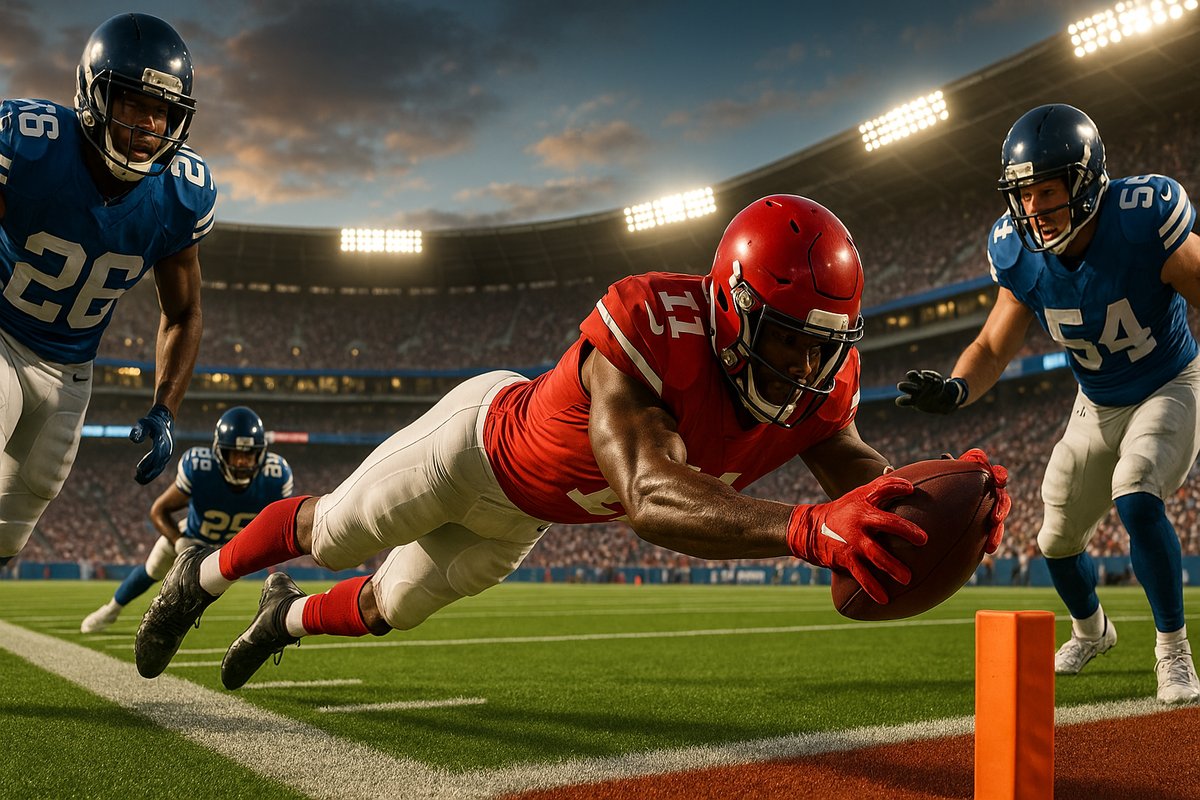
In the NFL, injuries aren’t random misfortune—they’re the variables that reshape franchise timelines, cap strategies, and playoff windows. How NFL injuries affect team performance remains one of the most pivotal factors in modern NFL football stats and team analysis. Injuries can shift win probabilities dramatically, alter playoff trajectories, and even determine which franchises reach the Super Bowl. From star quarterbacks to key defensive linemen, the absence of elite players forces coaches to adjust schemes, rely on depth, and often accept diminished statistical output across offensive and defensive categories.
The 17-game grind plus playoffs creates a schedule where ACL tears, concussions, and hamstring strains pile up, each with recovery timelines that fracture continuity. What the front office is really thinking here is how those absences hit the salary cap—especially when a high-priced starter’s injury guarantees hit dead money while the team scrambles for replacements. Offensive skill positions take the hardest hits, with running backs averaging 3.2 injuries per season. That directly tanks rushing production and scoring, pushing teams toward backups who almost never match the starter’s output.
From a fantasy perspective, this is why smart managers always carry a handcuff for workhorse backs—the drop-off in efficiency is brutal once the lead guy lands on IR.
When a franchise quarterback misses time, passing yards per game typically drop by 15-25 percent. Historical examples include teams that lost their starter midseason and finished with sub-.500 records despite strong supporting casts. Depth chart analysis shows that backup signal-callers post lower completion percentages and fewer touchdowns, illustrating how NFL injuries affect team performance at the most critical position. Contract-wise, those absences often accelerate the timeline on extensions or force teams to eat guarantees on the backup while the starter rehabs.
Defensive performance suffers equally when linebackers or cornerbacks are sidelined. Teams missing multiple starters in the secondary allow higher completion percentages to opposing quarterbacks and surrender more big plays. Advanced NFL stats demonstrate that injury-depleted defenses rank lower in expected points added, directly translating to more losses. Coaches must simplify coverages and blitz packages, which savvy offenses exploit for sustained drives and higher point totals. Front offices watching this trend know they need to over-invest in secondary depth precisely because one Pro Bowl corner’s contract-year injury can sink an entire scheme.
Super Bowl history is littered with examples of teams that navigated the injury gauntlet successfully. The 2016 New England Patriots overcame multiple defensive absences through meticulous rotation and scheme adjustments, ultimately hoisting the Lombardi Trophy. Conversely, squads with concentrated injuries at skill positions often exit early in the postseason. Team analysis consistently shows that organizations with superior medical staffs and robust practice-squad depth maintain higher win rates when star players are lost for extended periods.
Longitudinal studies of NFL football stats reveal a strong inverse relationship between total games missed by starters and overall team winning percentage. Teams averaging fewer than 15 games lost to injury per season post a 62 percent win rate, while those exceeding 40 missed games fall below 45 percent. These figures underscore how NFL injuries affect team performance beyond single games and into divisional standings battles.
Protective units are especially vulnerable. When starting tackles or guards go down, quarterbacks face increased pressure, leading to higher sack totals and hurried throws that lower passer ratings. Running games also stall, with yards per carry declining sharply behind patchwork lines. Player profiles of elite offensive linemen show they rarely return at full strength immediately, prolonging the negative statistical effects across multiple weeks. From a contract angle, that’s why teams rarely hand massive extensions to aging linemen without ironclad injury protections.
Key facts and statistics include:
– Teams losing their starting quarterback for four or more games win only 28 percent of remaining contests on average.
– Defenses missing two or more Pro Bowl-caliber players allow 7.4 more points per game than healthy units.
– Super Bowl-winning teams since 2010 have averaged 22 percent fewer season-ending injuries than conference finalists that fell short.
– Running backs returning from ACL tears post a 35 percent drop in yards after contact in their first season back.
– Advanced metrics indicate that injury-related scheme changes reduce offensive expected points added by roughly 0.12 per play.
– Franchises with top-tier training staffs reduce average missed games by 18 percent compared to league averages.
How NFL injuries affect team performance extends far beyond box-score numbers. They reshape roster construction, influence draft strategies, and test organizational depth in ways that separate contenders from pretenders. By examining player profiles, historical Super Bowl trends, and granular NFL stats, analysts gain clearer insight into which teams can withstand the inevitable injury wave and which will see their seasons derailed. Effective injury management remains one of the most decisive hidden variables in achieving sustained success in the NFL.