
Famous Super Bowl Halftime Show Moments
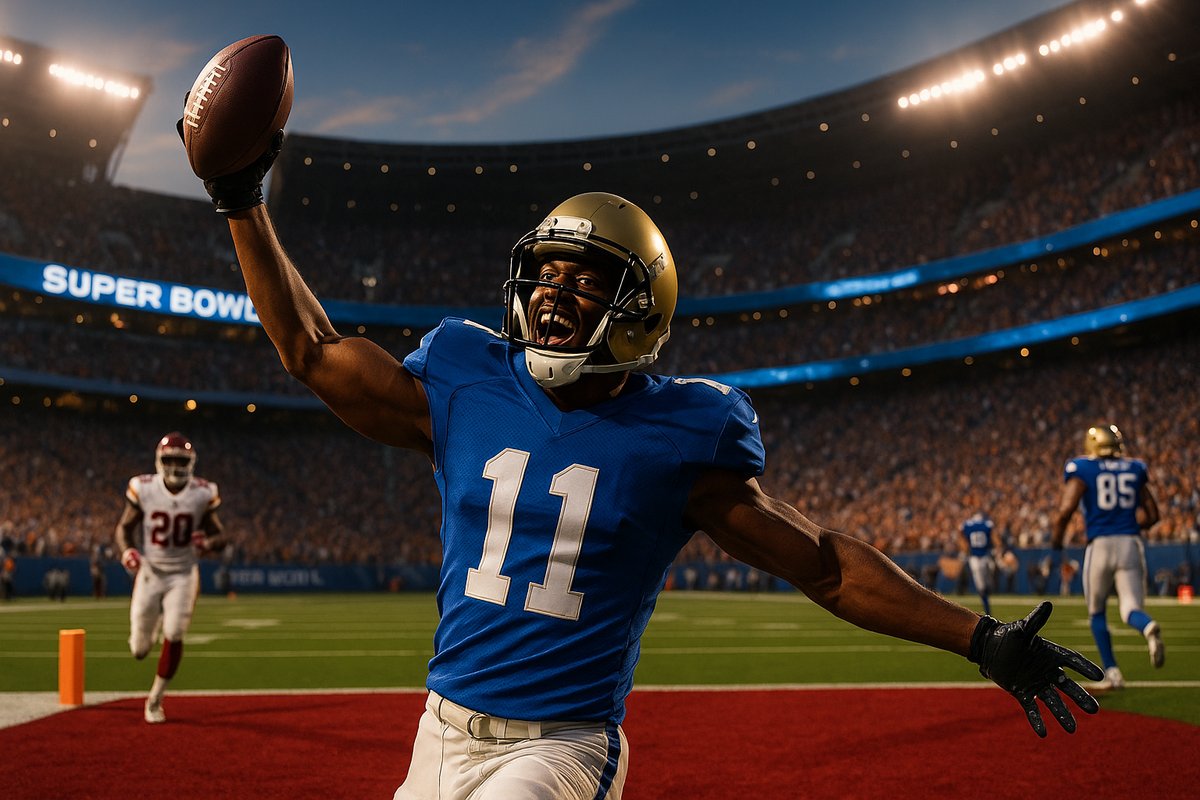
When you’ve lined up against a spread offense, you understand how one explosive play can shift the entire momentum of the game, and that’s exactly how these Super Bowl halftime shows have taken over the biggest stage. They turned a simple break into a global spectacle, with choreography and star power that often drew more eyes than the X’s and O’s on the field. I’ve studied enough film to know these moments boosted viewership while tying directly into team legacies and player profiles that scouts still reference today.
Super Bowl halftime shows started simple back in the 1960s with marching bands running basic drills across the turf, much like early defensive schemes focused on gap discipline before evolving into complex coverage shells. By the 1970s and 1980s, they began mixing in popular music acts, reflecting the NFL’s growing reach during dynasties like the Dallas Cowboys and Pittsburgh Steelers. Those performances mirrored how franchises built physical identities on both sides of the ball.
The shift toward celebrity headliners tracked the league’s move into broader entertainment, with viewership climbing as halftime drew in fans who weren’t dissecting route concepts or pass-rush angles. This era set up household names like Terry Bradshaw and Joe Montana, whose on-field exploits gained extra shine from the surrounding spectacle. Networks recognized early that halftime entertainment could attract casual viewers and families, fundamentally changing how the Super Bowl was marketed beyond the hardcore football audience.
One of the clearest breakthroughs came in 1993 when Michael Jackson delivered a medley that pulled in an estimated 90 million viewers, redefining the scale the same way a dominant front seven can take over a game. That show landed during the Dallas Cowboys’ dynasty run, where multiple Super Bowl titles aligned with the league’s cultural rise. Jackson’s performance introduced pyrotechnics and choreographed precision to the halftime stage, setting a new standard for production value that teams and networks would chase for decades. The King of Pop’s eight-minute set became the blueprint for what a Super Bowl halftime show could achieve in terms of spectacle and cultural impact.
Then came the 2004 Janet Jackson performance with Justin Timberlake at Super Bowl XXXVIII, where the wardrobe incident sparked massive discussion, FCC fines, and tighter broadcast rules. On the field, the New England Patriots beat the Carolina Panthers in a defensive battle that highlighted Tom Brady’s emerging profile as a quarterback who could execute under pressure. That halftime moment, while controversial, inadvertently shaped how broadcasters approach live entertainment on the Super Bowl stage. The incident led to significant delays in live broadcasting, increased censorship protocols, and heightened scrutiny of performer contracts and rehearsal footage.
Prince’s 2007 set during Super Bowl XLI stood out for its resilience, performing “Purple Rain” in heavy rain much like a linebacker maintaining gap integrity on a sloppy field. The Indianapolis Colts won that night, and the show remains one of the highest-rated, with over 97 million viewers tuning in. Prince’s performance is frequently cited as one of the greatest halftime shows in history, not just for his musicianship but for his ability to command the stage with minimal production assistance compared to other major acts. His guitar work and vocal range demonstrated that halftime shows could celebrate raw talent alongside high-budget spectacle.
The mid-2000s through early 2010s saw a shift toward genre-diverse acts that reflected demographic changes in the NFL’s fanbase. The 2009 Bruce Springsteen and The E Street Band performance brought rock authenticity to the halftime stage, while subsequent years featured artists like The Who, Katy Perry, and Madonna. These choices reflected the league’s awareness that Super Bowl halftime shows needed to appeal across generational and cultural lines to maintain viewership peaks. Networks and the NFL began commissioning elaborate production designs specifically built around each artist’s brand, turning halftime into a mini-concert event comparable to major touring productions.
In more recent years, the 2020 collaboration between Shakira and Jennifer Lopez celebrated Latin influences and coincided with the Kansas City Chiefs claiming their first title in decades, elevating profiles like Patrick Mahomes in the process. That 102-million-viewer performance marked a significant moment for representation in Super Bowl entertainment, with both performers delivering high-energy choreography and costume changes that required split-second coordination across multiple stage zones. The show’s success demonstrated the NFL’s growing commitment to reflecting its diverse player base and fan demographics through halftime entertainment choices.
Beyoncé’s 2013 appearance and the 2022 Dr. Dre-led production with Eminem, Snoop Dogg, and others paid tribute to West Coast hip-hop while the Los Angeles Rams secured their second championship. These shows often weave in advanced stats graphics and nods to NFL legends, giving analysts extra material during broadcasts. The 2022 performance was particularly notable for reuniting iconic West Coast rap figures and showcasing how halftime could serve as a cultural moment beyond just music—it became a statement about legacy, artistic reunion, and the intersection of hip-hop and mainstream sports entertainment.
Modern productions keep pushing limits with pyrotechnics, drones, and diverse lineups, driving engagement that trends worldwide and lifts merchandise and endorsements long after the final whistle. The Weeknd’s 2021 performance incorporated thousands of dancers and elaborate stage design, while The Weeknd’s investment in the production reportedly exceeded previous budgets significantly. Recent shows have also increasingly featured multi-generational lineups—acts bringing out surprise guests or pairing established artists with emerging talent to bridge demographic gaps and create viral social media moments.
From a production standpoint, halftime shows have evolved into complex logistical undertakings rivaling Broadway productions. Performers typically get 12-13 minutes of stage time, requiring months of planning, choreography, costume fitting, and rehearsal with full production teams. The stage setup at midfield necessitates rapid deployment and removal to keep game timing intact, with crew teams practicing the transition repeatedly before the event. Sound engineering has become increasingly sophisticated, with redundant systems ensuring that any technical failure doesn’t compromise the performance.
Key facts stay consistent across the tape:
– Michael Jackson’s 1993 show drew roughly 90 million viewers.
– The 2004 Janet Jackson moment led to over $500,000 in FCC fines and stricter live-broadcast guidelines.
– Prince’s rainy 2007 performance sparked a 10% jump in related merchandise sales.
– The 2020 Shakira and JLo show reached 102 million viewers alongside the Chiefs’ offensive output led by Patrick Mahomes.
– Average halftime viewership grew from around 40 million in the 1980s to over 100 million in the streaming era.
– The 2022 West Coast tribute featured more than 10 artists, setting a record for performer count.
– Beyoncé’s 2013 halftime show generated over $6 million in streaming plays within 48 hours of the performance.
– The NFL reportedly invests $10-15 million in production costs for flagship halftime shows, separate from performer fees.
These halftime moments keep blending athletic excellence with entertainment, enhancing Super Bowl history and giving fresh angles for team analysis. The shows have become so influential that they’re analyzed alongside game film by sports commentators and have their own dedicated awards recognition in some entertainment venues. Artists often see album sales and streaming spikes following Super Bowl halftime appearances, with data consistently showing measurable impact on their chart positions and merchandise sales trajectories.
Looking ahead, the intersection of live performance, augmented reality elements, and global streaming will likely push future halftime shows into even more innovative territory. The evolution from simple marching bands to multi-million-dollar productions spanning continents reflects the Super Bowl’s transformation into not just a football championship but a cultural phenomenon. Whether viewers tune in for the game, the ads, or the halftime entertainment, these performances have permanently secured their place in Super Bowl legacy, often remembered as vividly as the games themselves.