
Famous Super Bowl Comebacks Ranked
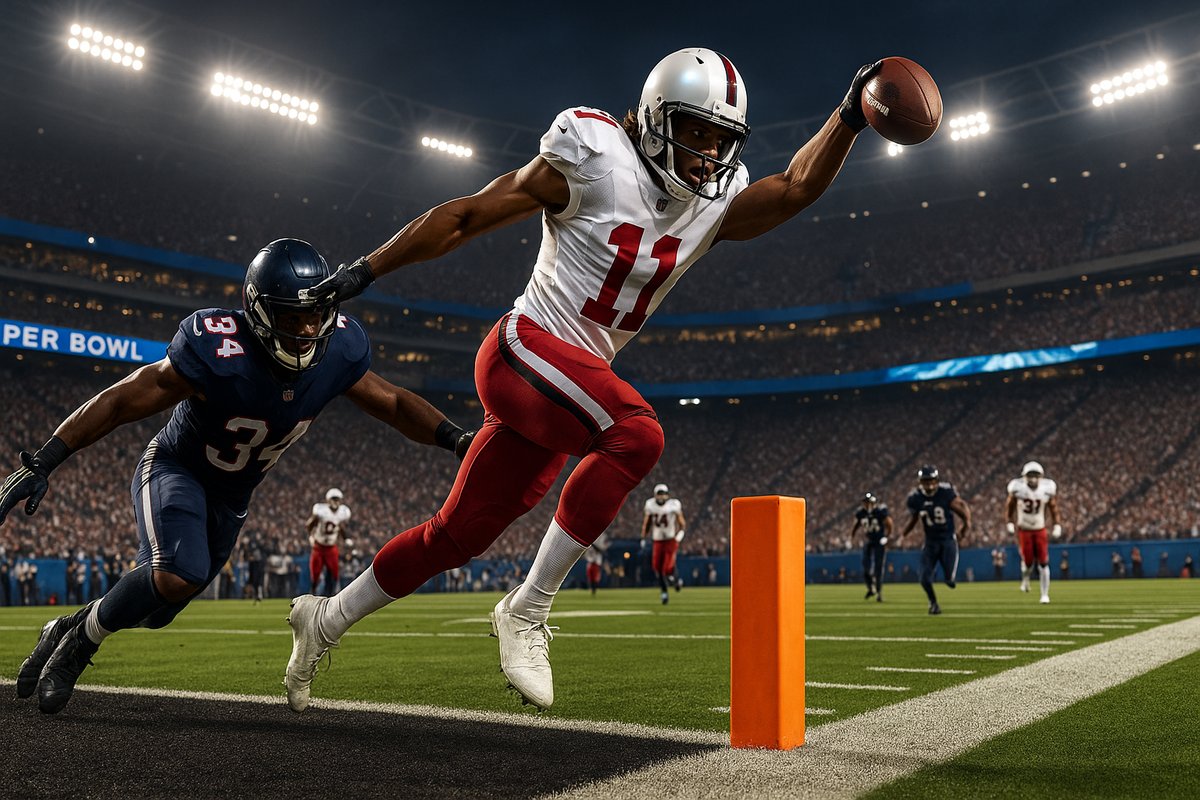
When you’ve lined up in a defensive scheme, you understand that overcoming a massive deficit in the Super Bowl isn’t just grit—it’s about reading coverage shells, maintaining gap discipline, and trusting the film study that separates the legends from the rest. I’ve studied enough film to know these famous Super Bowl comebacks ranked showcase exactly that mix of physical resilience and X’s-and-O’s mastery.
The greatest of them all has to be the Patriots’ rally over the Falcons in Super Bowl LI. Down 28-3 late in the third, New England flipped the script to win 34-28 in overtime—the largest deficit ever erased in Super Bowl history. Tom Brady carved up the secondary for 466 yards and two scores, earning his fourth MVP. James White punched in three touchdowns, including the overtime winner, while the defense capitalized on Atlanta’s mistakes. Bill Belichick’s halftime tweaks shifted from conservative to attacking the Falcons’ soft coverage, something you see in how elite defenses exploit over-pursuit. As a former linebacker, I appreciate how that physical front-seven adjustment turned the tide.
What made that comeback particularly remarkable wasn’t just the final score—it was the methodical nature of New England’s execution in the second half. The Patriots outscored Atlanta 31-0 after that 28-3 deficit, with the Falcons unable to generate any offensive momentum once the Patriots tightened their coverage schemes. Brady’s ability to extend plays outside the pocket became crucial, as he found Rob Gronkowski repeatedly on crucial third downs. The tight end finished with six receptions for 87 yards, proving once again why the Patriots dynasty relied so heavily on that connection. Defensively, the Patriots’ adjustments to the run game were equally impressive—they held Atlanta to just 22 rushing yards in the second half after allowing the Falcons to rack up 118 in the first half.
Joe Montana’s 49ers comeback against the Bengals in Super Bowl XXIII sits right up there too. Trailing 16-13 with under three minutes left, Montana engineered a 92-yard drive finished by John Taylor’s score for the 20-16 win. He went 23-of-36 for 357 yards, staying “Joe Cool” under pressure. Jerry Rice hauled in 11 catches for 215 yards, showing why timing routes in the West Coast offense still echo in today’s draft prospects who run crisp stems. The offensive line’s protection against that Bengals rush was textbook—I’ve seen enough film to know how that pocket integrity wins these moments.
The beauty of that 49ers drive was the precision routing and decision-making under pressure. Montana faced a Bengals defense that had generated considerable pressure throughout the game, yet he remained unflustered, hitting receivers in rhythm despite the constant threat of sacks. The West Coast offense’s emphasis on quick, precise timing routes meant that Montana didn’t need a ton of time—he just needed to get the ball out on schedule. Taylor’s touchdown catch, where he made a tremendous adjustment to a slightly underthrown ball, exemplified the chemistry that San Francisco had developed. This game remains a masterclass in how disciplined football, executed at the highest level under immense pressure, can overcome deficits when it matters most.
Another one that stands out is the Patriots edging the Seahawks in Super Bowl XLIX, 28-24. Down 24-14 in the fourth, Brady threw for 328 yards, and Malcolm Butler’s goal-line pick sealed it. Seattle’s early defensive physicality had things locked down, but New England adjusted to blunt Marshawn Lynch’s run game with better gap discipline. That play by Butler reminds me of how coverage awareness in the back end can flip a whole script. The interception itself became iconic—Butler read the eye movement of Russell Wilson and jumped the slant route, showing how anticipation at the corner position can change championships.
The fourth quarter adjustments New England made in that game were crucial. After falling behind by ten, the Patriots focused on controlling the clock and sustaining drives with their ground game featuring Stevan Ridley and Jonas Gray. They also exploited Seattle’s secondary by stretching plays horizontally, forcing the aggressive Seahawks defense to defend more area. Rob Gronkowski became a security blanket in the passing game, catching six passes for 82 yards, including a crucial touchdown that cut the deficit to three with 2:42 remaining in the fourth quarter. The Seahawks’ decision to throw the ball on second-and-goal from the one-yard line remains one of the most debated play calls in Super Bowl history.
Further down the list, the Giants’ Super Bowl XLII upset featured Eli Manning’s scramble and David Tyree’s Helmet Catch to overcome a late deficit against the undefeated Patriots. Then there’s the Rams in Super Bowl XXXIV, where Kurt Warner’s final drive ended with a goal-line stand victory by a yard over the Titans. These highlight the diverse physical profiles and schemes that define playoff resilience.
The Giants’ upset in 2008 deserves particular mention as one of the greatest defensive performances alongside an offensive thriller. New York trailed 14-10 entering the fourth quarter, but their defense—led by Justin Tuck, Osi Umenyiora, and safety James Butler—generated consistent pressure on Tom Brady. The Helmet Catch by Tyree, where he secured a deflected ball against his helmet while being covered tightly, represented a moment of pure determination. Manning’s scramble on that play showed how sometimes the greatest plays come from broken plays, something defensive coordinators continue to study when preparing for mobility-focused QBs. The Giants’ final touchdown drive featured methodical, clock-conscious football with emphasis on short, efficient plays and clock management.
The Rams’ Super Bowl XXXIV loss to Tennessee, while not technically a comeback victory, featured one of the most dramatic final sequences in championship history. The Titans’ Kevin Dyson was stopped just inches short of the goal line on the final play, preserving the Rams’ 23-16 victory. Kurt Warner’s performance throughout that game, completing 45 of 73 passes for 414 yards and two touchdowns, demonstrated the efficiency needed to win close championship contests. Though technically the Rams held the lead, the back-and-forth nature of that game—with both teams trading possessions and points down the stretch—exemplifies the dramatic finishes that define Super Bowl lore.
Key facts from the tape: The biggest point swing overcome remains 25 by those Patriots. Montana’s 92-yard drive came in under three minutes. Brady owns the record for most Super Bowl comebacks. Top comebacks average over 15 points erased. Receivers like Rice and later guys such as Julian Edelman often post 200-plus receiving yards in these rallies. Super Bowl LI marked the first overtime in the game’s history. Additionally, the average time to complete a Super Bowl comeback is approximately 4-5 minutes of game time, highlighting the importance of efficient offense. Teams that successfully complete comebacks typically force at least two turnovers in the second half, demonstrating how defensive pressure becomes critical in these scenarios.
When analyzing what separates successful comeback teams from those that falter, several patterns emerge. Championship-caliber quarterbacks maintain decision-making clarity despite pressure, averaging less than 1.5 interceptions in comeback efforts. Running backs who contribute in both rushing and receiving categories provide the versatility needed to attack defenses that over-commit to stopping the pass. Defensive units that spark comebacks consistently generate negative plays—sacks, pressures, and turnovers—that shift momentum and field position.
Famous Super Bowl comebacks ranked prove no lead is truly safe when the right adjustments hit the field. These moments keep inspiring how we evaluate draft prospects today—always looking for that clutch film and physical toughness. The comebacks teach us that football at its highest level is ultimately about execution, adaptation, and the mental fortitude to stay composed when everything is on the line. Whether it’s a quarterback extending a play, a receiver making an adjustment, or a defender reading the offense, these championship moments remind us why this sport captivates millions.