
Evolution of the NFL Quarterback Position
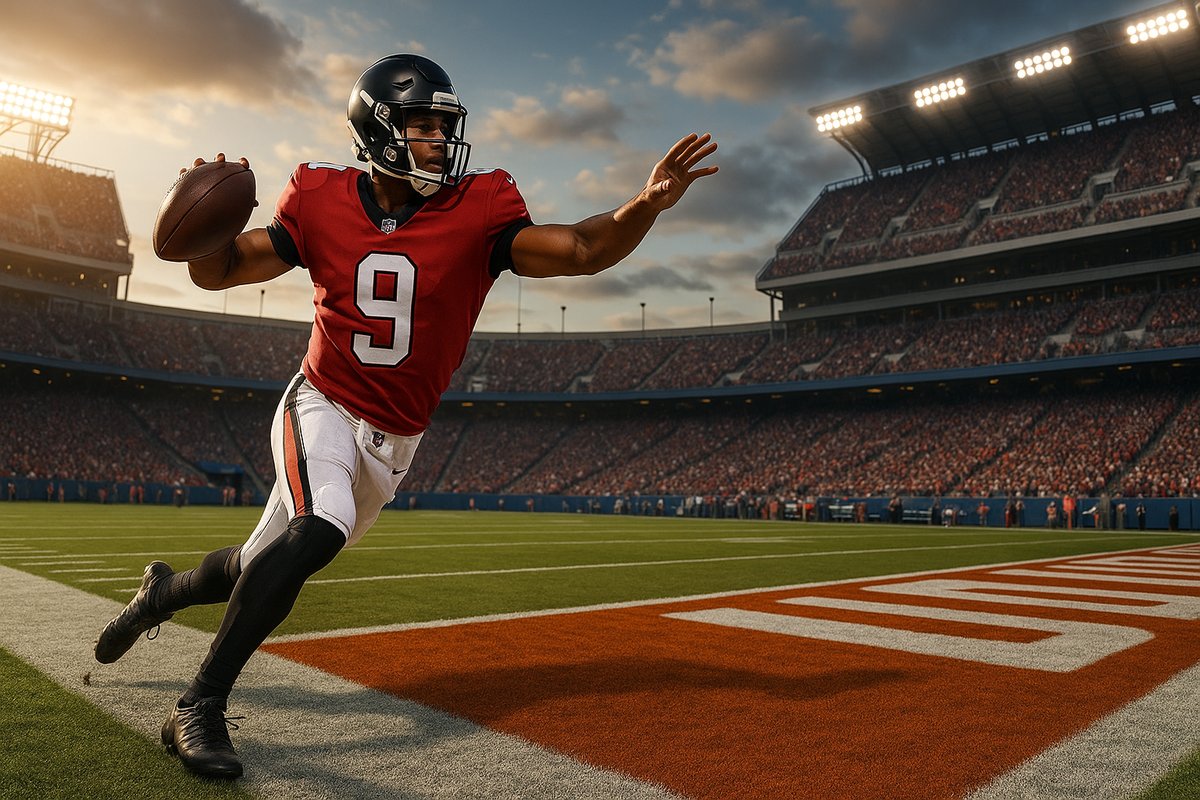
The evolution of the NFL quarterback position mirrors how the game itself has shifted from a grind-it-out, physical battle into a chess match of timing, athleticism, and scheme exploitation. Over the decades, these guys went from blockers and handoff merchants to the highest-paid, most picked-apart players in the league, the ones who can swing a Super Bowl or sink a franchise with one bad read.
Back in the 1920s and 1930s, the role looked nothing like it does now. Guys like Red Grange were out there running and blocking first, with the forward pass basically neutered by the rules. When you’ve lined up in a defensive scheme, you understand how single-wing formations kept the ball out of the QB’s hands and turned the position into a toughness test. Sammy Baugh changed that script in the late ’30s, lighting up the league with his arm while still punting and playing defensive back. I’ve studied enough film to know that dual-threat foundation he laid is why we scout for it in every draft class today.
Rule tweaks in the 1940s, especially opening up unlimited forward passes, started unlocking the position. Sid Luckman and the T-formation with the Bears forced quicker decisions and better pocket presence. League-wide, completions sat around 40 percent and teams barely cracked 150 passing yards a game. Defenses could still load the box and dare you to throw.
By the 1950s and ’60s the passing game really took off with Johnny Unitas and Bart Starr. Unitas owned those come-from-behind drives and record touchdown totals, while Starr showed how to operate inside a power-run system like Lombardi’s. The AFL-NFL merger cranked up the aerial numbers and forced defenses to get more sophisticated. When you’ve lined up against a zone blitz, you understand how it exposed QBs who couldn’t process pre-snap or hold up under pressure. Joe Namath brought the swagger and the big plays, helping the AFL claim that first Super Bowl and making the quarterback the face of every franchise.
The 1970s represented a transition period where defenses caught up to the passing game. The “Steel Curtain” Steelers and their dominant defense forced quarterbacks like Terry Bradshaw to prove they could win championships through ball control, clock management, and situational awareness rather than sheer volume. This era showed that arm strength alone couldn’t overcome a stacked defense—field position and turnovers mattered just as much. Kenny Stabler’s 1974 season with the Oakland Raiders demonstrated how a mobile quarterback could thrive in a run-first system, keeping defenses honest while minimizing mistakes. The emphasis shifted toward consistency and leadership, traits that would define the position moving forward.
From the 1980s into the 2000s, mobility and arm talent exploded with Joe Montana, Dan Marino, and Brett Favre. Montana’s timing-based attacks and four Super Bowl rings, Marino’s 5,084-yard season in ’84, and then Peyton Manning and Tom Brady raising the bar with film study, audibles, and clutch postseason moments. Tom Brady sits at seven Super Bowls and over 89,000 career passing yards. I’ve watched enough tape on those late-90s and early-2000s defenses to know how those QBs forced coverage schemes to evolve. The arrival of the West Coast offense, popularized by Bill Walsh with the 49ers, revolutionized how quarterbacks approached the game. This system prioritized quick, short passes with precise timing and footwork, fundamentally changing quarterback training and evaluation for generations.
Peyton Manning’s tenure reshaped how the position could be played from a mental standpoint. His ability to audible and get defenses to jump offside became signature elements that other coaches tried to replicate. Manning’s record-setting 55-touchdown season in 2013 and his MVP awards underscored that a quarterback’s impact extended far beyond traditional statistics—it included manipulating defensive reads and creating explosive plays without necessarily abandoning the structure of the offense. Brady’s longevity, meanwhile, proved that peak performance didn’t have an expiration date if a quarterback combined intelligence, work ethic, and adaptability. His ability to succeed under different offensive coordinators across his career showed that quarterbacks who mastered fundamentals could thrive in any system.
The 2010s ushered in an explosion of data-driven decision-making that changed how quarterbacks were evaluated and developed. Advanced metrics like EPA (Expected Points Added), CPOE (Completion Percentage Over Expected), and yards per attempt became as important as traditional box scores. Teams started hiring analytics departments specifically to model quarterback performance, predict injury risk, and optimize play-calling based on down-and-distance situations. This shift meant that modern quarterbacks needed to understand not just the game, but the statistical framework driving strategic decisions. Russell Wilson’s rise with the Seattle Seahawks showed how a younger, more athletic quarterback could still thrive in this environment, implementing both traditional pocket presence and scramble drills.
Today’s game belongs to the dual-threats: Patrick Mahomes, Lamar Jackson, Josh Allen. They combine elite arm talent with real rushing production, and analytics push teams to draft guys who clear 65 percent completion with low interception rates. Modern offenses lean on RPOs and play-action to mess with gap discipline and force linebackers and safeties into conflict. Mahomes, in particular, has taken quarterback playmaking to a new dimension—his willingness to extend plays off-script and make throws from unorthodox arm angles has influenced how teams now teach quarterback mechanics. The old paradigm of staying in the pocket has given way to accepted scrambling drills during practice, something unthinkable a decade ago. Lamar Jackson’s 2019 MVP season proved that a quarterback with elite rushing ability could still put up historic passing numbers while maintaining efficiency, effectively ending debates about whether mobile QBs could be elite passers.
League passing yards per game jumped from around 120 in the 1950s to over 250 now, and completion percentage climbed from 48 percent in 1970 to 64 percent lately. Johnny Unitas threw for 2,007 yards and 14 touchdowns in 1959. Mahomes posted a 105.3 passer rating early in his career. Since 2000, quarterbacks have taken 70 percent of the Super Bowl MVP awards. The salary cap explosion has also shifted how teams value the position—quarterback contracts now consume 12-15 percent of available cap space for elite players, forcing tough decisions about roster construction.
The physical demands on modern quarterbacks have evolved significantly as well. Contemporary training programs emphasize footwork precision, hip mobility, and rotational strength rather than just arm strength. Quarterback gurus like Tom House have revolutionized throwing mechanics through biomechanical analysis, helping younger players avoid injury while maximizing velocity. Recovery protocols, nutritional science, and mental health support have extended careers and improved performance consistency. The average quarterback age in the league has actually increased over the past two decades, suggesting that better care and training methods are keeping players effective longer.
The position keeps evolving because defenses keep adjusting, but the heartbeat of a championship team still runs through the guy under center who can process, move, and deliver when the coverage breaks down.