
Evolution of Super Bowl Trophy Design
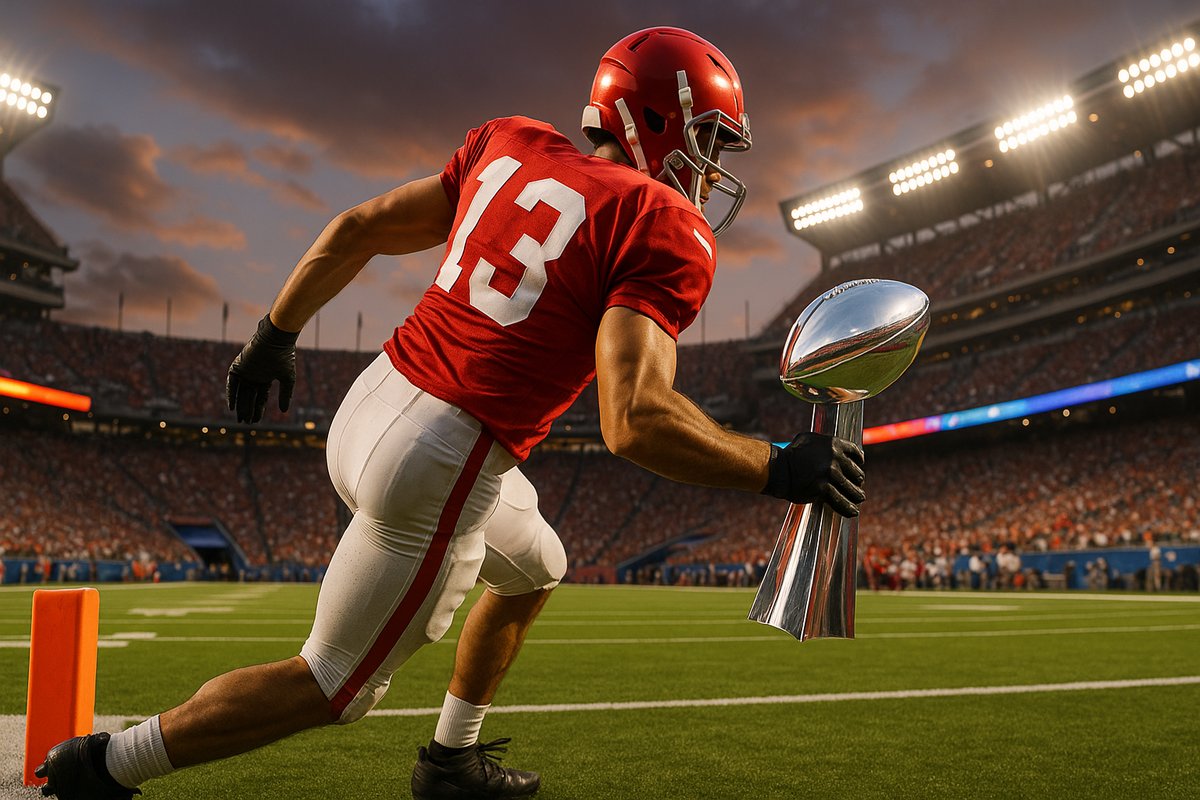
The Super Bowl trophy has always been more than silver and shine—it’s the capstone on franchise strategy, the thing front offices chase when they structure those massive QB deals and reload rosters. From the messy early days after the AFL-NFL merger through today’s polished presentations, the Vince Lombardi Trophy’s refinements track right alongside how teams think about legacy, cap space, and long-term contention windows.
Early on, Super Bowl I’s makeshift sterling silver football on a base felt rushed, the kind of placeholder you’d expect when two leagues were still feeling each other out. League brass knew they needed something with more weight—literally and figuratively—once the merger settled. By Super Bowl V, Tiffany & Co. stepped in and locked in the design that still stands: a regulation-size football in sterling silver on a three-sided pedestal. Those first versions checked in at 6.5 pounds and 22 inches tall. Green Bay’s run under Vince Lombardi, with Bart Starr executing from the pocket, gave the new hardware instant credibility and helped sell the idea that this was the prize worth building around.
The decision to name the trophy after Vince Lombardi wasn’t formalized until 1970, following his death. Before that, it was simply called the “World Championship Trophy” or “AFL-NFL World Championship Game Trophy.” The Packers’ dominance in Super Bowls I and II made Lombardi synonymous with winning, and the league recognized that attaching his name would honor his legacy while cementing the trophy’s place in football history. This naming convention has endured because it ties every championship back to a coaching philosophy emphasizing discipline, preparation, and excellence—principles that remain central to how modern franchises build winning rosters.
Over the next decades the details got sharper. The football gained realistic lacing and panel work, while the base expanded to fit bigger coaching staffs and front-office names during the 49ers and Cowboys dynasties. Manufacturing tweaks kept the silver plating bright under the lights, which matters when you’re handing the thing off on national TV after a season of calculated roster moves. What the front office is really thinking here is that every engraving slot now has to accommodate not just players but the scouts and cap guys who kept the books balanced. Joe Montana and Emmitt Smith hoisted versions with those refined curves; both later leveraged the hardware into bigger contracts that set the market for their positions.
The evolution of the pedestal itself reflects changing team structures. In the 1970s and 1980s, rosters were smaller and coaching staffs more compact, so engraving space wasn’t the concern it is today. By the time the Dallas Cowboys’ dynasty was in full swing during the 1990s, front offices had expanded dramatically. Personnel departments, strength and conditioning coaches, medical staff, and administrative personnel all wanted representation on the trophy. Tiffany & Co. responded by gradually expanding the base and adding additional bands to accommodate this growth. Today’s trophy can display more than 100 names, making it a complete organizational snapshot of a championship team’s structure.
The 49ers’ dynasty from the late 1980s into the early 1990s represented a watershed moment for trophy design considerations. With four Super Bowl wins in a 14-year span, San Francisco’s organizational machine became the model for sustained excellence. The precision required to win back-to-back championships—especially in Super Bowls XXIII and XXIV—meant that front offices had to think differently about roster construction. The trophy base, now carrying those multiple championships for one franchise, became a visual representation of how salary cap management and strategic planning could extend a contention window across multiple years.
These days the trophy sits at 20.5 inches and still weighs 6.5 pounds, with the football measuring 11 inches. Tiffany produces multiples—one for the field, others for the Hall of Fame and team headquarters—because no organization wants to risk the original. The trophy presented on the field after the Super Bowl is handled carefully, typically by the winning team’s owner and the team captain. The remaining versions serve different purposes: one goes to the Pro Football Hall of Fame for permanent display, another travels with the league for promotional events and museum exhibits, and team replicas are displayed at home stadiums and training facilities. From a fantasy perspective, the players who lift it see their trade value and future-year ADP jump in dynasty formats, especially quarterbacks whose rings become part of the contract narrative. Recent examples include Patrick Mahomes engineering extensions around championship windows and Tom Brady’s Tampa run showing how veteran deals can still deliver hardware when the supporting cast is constructed right.
The Steelers’ six championships between 1974 and 1979 came before modern salary cap constraints, yet their trophy accumulation tells a story about defensive drafting excellence and organizational consistency. When the Patriots matched that six-trophy total during the Brady-Belichick era (2001-2018), it represented a different kind of sustained excellence—one built within salary cap parameters that required annual reinvention. This comparison demonstrates how trophy count alone doesn’t capture the strategic evolution that each era demanded.
The three-sided pedestal remains a nod to the merger era, but the laser-etched details and team-specific score engravings turn each piece into a permanent ledger of who was on the roster when the window closed. Recent trophies feature more detailed engraving techniques that showcase the final score, date, and stadium name alongside player and staff names. Some franchises have requested custom engravings that reflect playoff runs—naming players who were mid-season acquisitions or highlighting undrafted free agents who contributed to the championship. Over 30 franchises have claimed it, proof that smart drafting and timely extensions can still overcome the odds.
The trophy’s appearance on television has also influenced its physical design. The sterling silver requires careful maintenance to ensure it photographs well under broadcast lighting. Tiffany & Co. works with the NFL to establish cleaning and storage protocols that prevent tarnishing while maintaining the trophy’s historical integrity. The three-sided pedestal was specifically designed to be photogenic from multiple angles, which became increasingly important as Super Bowl broadcasts expanded to international markets.
Key facts stay consistent across the run:
– Awarded 58 times since Super Bowl V, with the Patriots and Steelers tied at six apiece.
– Each one takes roughly 72 hours of Tiffany handcrafting using 4.5 pounds of sterling silver.
– More than 100 names get engraved on recent bases.
– Only the single field presentation trophy is the “real” one; duplicates handle the rest.
– The trophy has appreciated significantly in value; estimates place a Vince Lombardi Trophy’s worth at $20,000 to $30,000 for auction or insurance purposes.
In the end the design keeps evolving because the league’s business model keeps evolving—more international eyes, rising salary-cap benchmarks, and ever-tighter contention cycles. The trophy is still the tangible proof that the front office got the contracts, the drafts, and the in-season adjustments right. As franchises continue to chase championships under increasingly complex salary cap structures, the trophy remains the ultimate validation that organizational strategy translated into on-field performance. The Vince Lombardi Trophy’s evolution mirrors the NFL’s own transformation from a two-league merger into a global sports phenomenon, with each refinement telling a story about how the game’s business side has shaped competitive outcomes.