
Decoding NFL Red Zone Efficiency Metrics
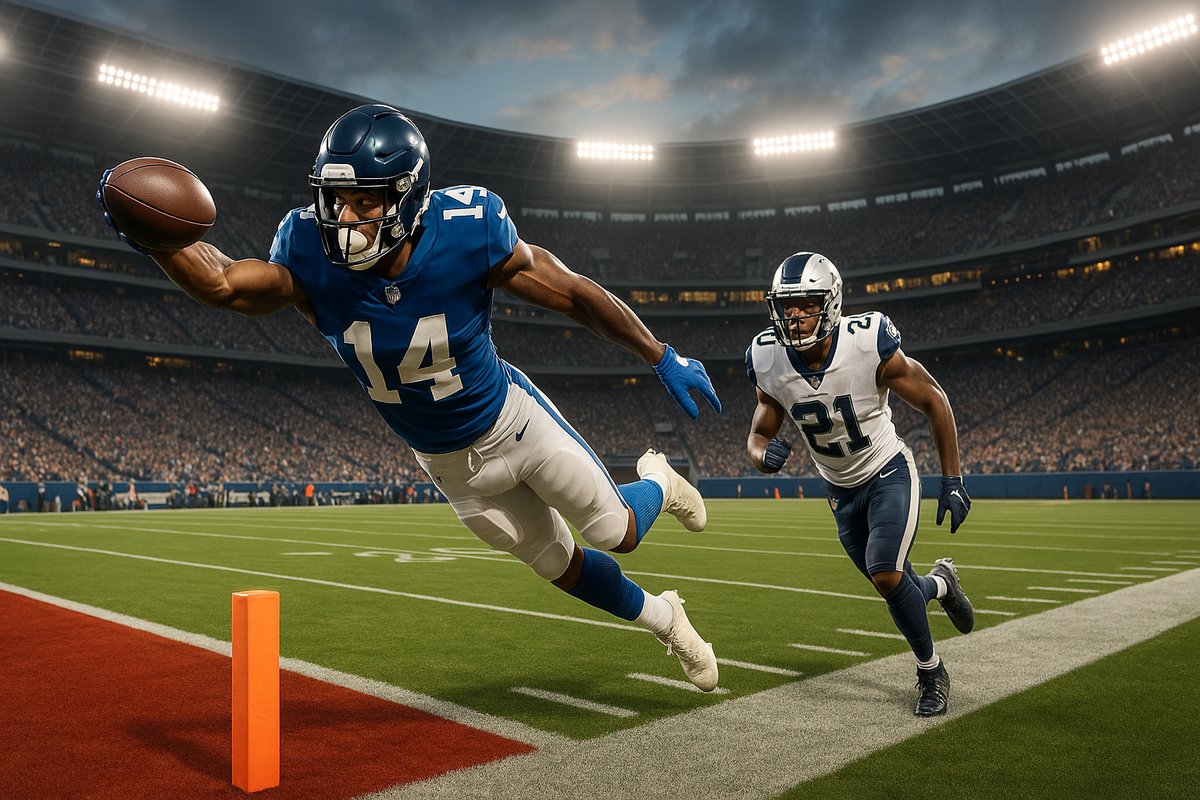
Red zone efficiency isn’t just a stat—it’s the ultimate tiebreaker when front offices decide who gets the big extensions and who gets shown the door. Teams that consistently turn those inside-the-20 possessions into touchdowns build the kind of margin that protects massive quarterback contracts and keeps defensive coordinators employed. Over the past five seasons the league average sits at 57.8 percent, but the clubs clearing 68 percent are the ones that control their own destinies in January.
From a fantasy perspective, locking into offenses that finish in the top five of this metric is like buying low on future production. Patrick Mahomes has posted a 64 percent red zone efficiency rating across his career, which is exactly why the Chiefs were willing to guarantee the kind of money that makes other franchises wince. When you see a quarterback who can manufacture designed runs and tight-window throws in that compressed space, you’re looking at sustained fantasy QB1 value that survives scheme changes.
What the front office is really thinking here is roster construction. Offensive lines that excel in short-yardage run blocking add roughly nine percentage points to red zone conversion, and that directly raises the trade value of backs like Derrick Henry. Running backs still account for 42 percent of all red zone touchdowns league-wide, so smart GMs keep drafting or extending the interior linemen who create those lanes rather than overpaying skill-position players who can’t finish.
Historical trends show how rule changes and scheme evolution have lifted league-wide touchdown rates from the low-50s in the early 2000s to around 58 percent today. The Patriots under Belichick turned this into a dynasty calling card, hitting 68 percent in multiple title years, while the current Chiefs have used similar consistency to reach multiple Super Bowls. Eight of the ten champions since 2010 ranked in the top ten in red zone efficiency during their winning seasons, which tells you everything about why teams prioritize this over raw yardage totals.
Defensively, allowing under 50 percent opponent touchdowns inside the 20 is equally valuable in contract negotiations. It forces field goals, keeps games close, and gives your own offense extra possessions—exactly the kind of situational edge that wins Super Bowls. The 2007 Giants proved you can still lift the Lombardi with a middle-of-the-pack offense if your defense stands tall in its own red zone.
Third-down success inside the ten above 50 percent predicts playoff qualification with 78 percent accuracy, so fantasy managers and actual front offices both treat it as a leading indicator. Players like Travis Kelce who thrive on those high-value targets in tight windows become even more valuable in contract years because they directly move the efficiency needle.
Advanced metrics such as expected points added inside the 20 are now part of every serious evaluation, layering in weather, injury, and coaching adjustments. The franchises that treat red zone execution as a year-round obsession rather than a fourth-quarter prayer are the ones still playing when the weather turns cold.
Understanding the nuances of red zone efficiency requires breaking down how it’s actually calculated. The metric represents the percentage of possessions inside the opponent’s 20-yard line that result in a touchdown rather than a field goal, missed field goal, turnover, or missed opportunity. This distinguishes it from simply scoring touchdowns overall—it’s specifically about maximizing value when you’re closest to the end zone. A team could have fewer red zone trips but convert them at a higher rate, making them more efficient than a team with more opportunities but lower conversion rates.
The gap between elite and average red zone execution compounds over a 17-game season. A team converting 70 percent of red zone trips versus one at 50 percent will score roughly 20 additional points across the year, which translates to somewhere between 1-2 additional wins in the standings. When you factor in tiebreakers and division races, that efficiency margin becomes the difference between a playoff bye and watching from home. This is precisely why teams obsess over situational football practice during camp and why coaching staffs dedicate entire weeks to red zone package installation.
The personnel decisions that improve red zone efficiency often fly under the radar compared to flashy free agent signings. A team acquiring a power running back with elite contact balance and vision in confined spaces might not generate headline excitement, but it directly impacts that conversion percentage. Similarly, tight ends who can move the chains on third-and-short or win contested catches in the corner of the end zone become disproportionately valuable. The tight end position particularly benefits from red zone efficiency analysis—Darren Waller’s contract extensions were justified partly because he averaged nearly one red zone target per game with elite conversion rates.
Weather patterns significantly influence red zone efficiency in ways that casual observers miss. Cold-weather teams naturally excel in this metric because passing becomes more difficult as temperatures drop, forcing offenses into power run packages where efficiency improves. Buffalo, Green Bay, and Kansas City all show stronger red zone numbers in late-season play compared to their overall averages. Meanwhile, teams that play in domed stadiums sometimes struggle with red zone execution on the road because their practice environment doesn’t mirror the wind and temperature conditions they’ll face in December playoff matchups.
The defensive component deserves equal attention because elite red zone defense directly correlates with playoff success. The Baltimore Ravens consistently rank in the top five for defensive red zone efficiency, which their front office credits as a building block of sustained competitiveness. Teams that limit opponent red zone touchdowns to below 52 percent—forcing more field goal attempts—statistically win more games because they limit the damage when their own offense stalls. This defensive pressure creates a compound effect: your defense holds them to three points, your offense gets another possession, and suddenly you’re controlling field position for the entire game.
Coaching philosophy shapes red zone efficiency as much as personnel does. Bill Belichick’s Patriots famously installed a comprehensive red zone playbook with multiple formation looks and disguised run-pass options that defenses couldn’t predict. The San Francisco 49ers under Kyle Shanahan similarly built an entire offensive system predicated on running gap schemes that hit their stride inside the 20 yards, where space compression actually benefits power running concepts. When you watch film of these teams operating inside the 20, you notice the play-calling becomes simpler, more decisive, and less prone to negated plays that sink efficiency numbers.
Individual player tracking within red zone situations has become more sophisticated with the advancement of Next Gen Stats. Teams now know exactly how many snaps each receiver runs within the red zone, at what depths they operate, and how their separation rates compare to league-wide benchmarks. This granular data helps teams identify which receivers thrive in compressed space versus those who struggle when cornerbacks are pressed right on top of them. A receiver who generates elite separation at the hash marks might produce different results in the end zone where coverage gets tighter and field positioning limits escape routes.
The relationship between play-action passing and red zone efficiency reveals another layer of complexity. Play-action naturally works better inside the 20 because defenses must respect the run threat, but it also requires discipline—one blown assignment and you’re taking a loss that kills your efficiency percentage. Teams that successfully execute play-action in the red zone at high rates have quarterbacks with quick decision-making and wide receivers who can break their routes off the play-action fake without hesitation. Josh Allen’s ability to effectively deploy play-action in the Bills’ red zone has directly elevated their scoring efficiency in recent seasons.
Looking ahead, red zone efficiency continues to evolve as rule changes expand passing options. The NFL’s continued effort to open up the passing game will likely see teams attempting more vertical passes in compressed spaces, which increases variance and requires higher-caliber quarterback execution. Teams that maintain top-five red zone efficiency going forward will be those that balance aggressive vertical concepts with power run packages that keep defenses honest. The measurement itself remains consistent, but the methods teams employ to achieve that efficiency will continue adapting to the modern league’s emphasis on spread formations and vertical space creation.