
Creating Effective NFL Game Day Strategies
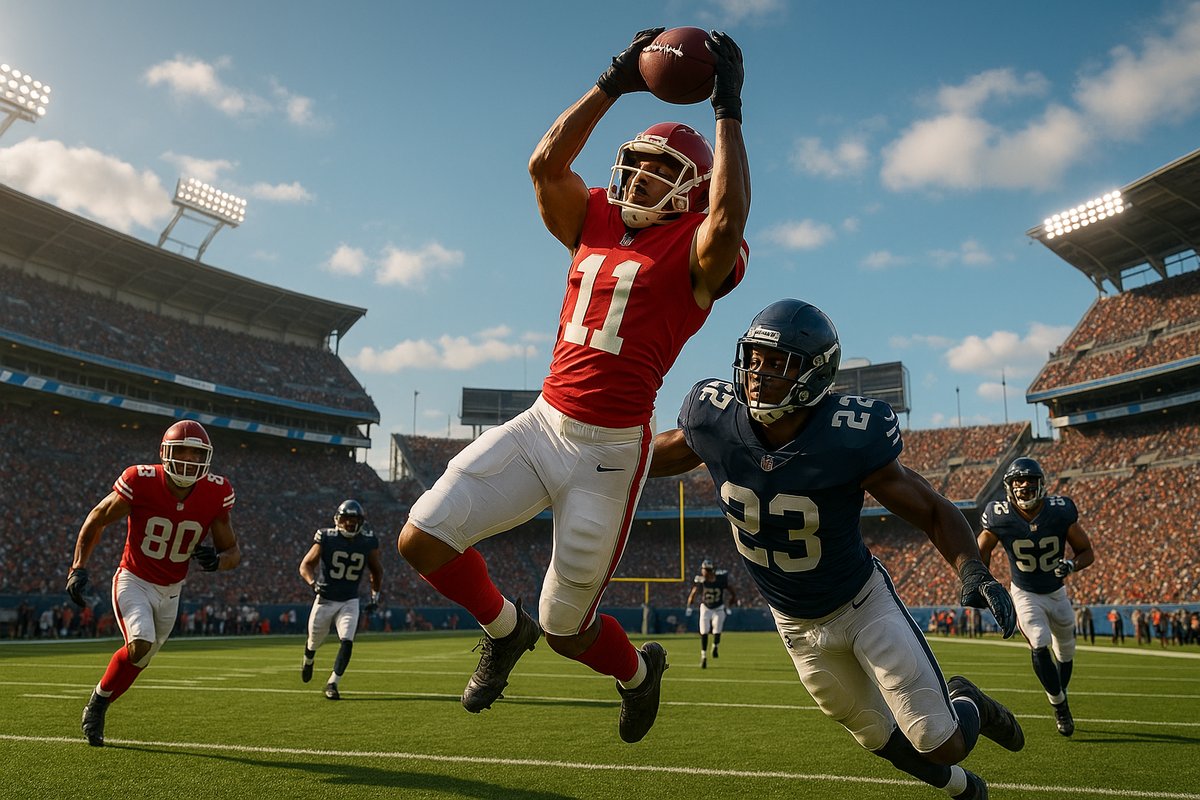
Creating Effective NFL Game Day Strategies starts with the kind of film study that separates teams that just show up from the ones that impose their will. When you’ve lined up in a defensive scheme, you understand how every formation tells a story, and real-time adjustments separate the champs from the pretenders. I’ve studied enough film to know that blending advanced metrics with old-school scouting gives coordinators the edge they need on those brutal Sunday afternoons.
Analyzing Opponent Tendencies Through Team Analysis
Effective game plans always begin by breaking down an opponent’s tendencies in the film room. Coaches zero in on run-pass ratios, third-down success, and red-zone production. Teams facing heavy passing attacks often shift to more zone coverage and disguised pressures to keep quarterbacks guessing. This kind of prep lets defensive coordinators read formations early and cut down on big plays before they develop.
The most successful teams dedicate entire coaching staffs to situational analysis. They don’t just look at what an offense does on first-and-ten—they examine their tendencies on third-and-short, third-and-long, two-minute drills, and goal-line situations. These micro-tendencies often reveal the true identity of an offense far better than season-long averages. A team might run 45% of the time overall, but that number could jump to 65% in short-yardage situations, which fundamentally changes how a defense should align and scheme.
Weather conditions also play a crucial role in pre-game tendency analysis. Windy conditions might force offenses to rely more heavily on the running game or shorter passing routes. Cold weather teams with strong run games typically maintain their identity regardless of opponent, while dome teams sometimes struggle when forced to play outdoors. Smart defensive coordinators adjust their pressure packages and coverage shells based on forecast conditions established days before kickoff.
Key Metrics in Pre-Game Preparation
Numbers like expected points added and success rate reveal the real weaknesses. The Chiefs have built their identity by attacking defenses vulnerable to play-action, where those EPA numbers spike. Pairing the data with situational awareness creates adjustments that keep opponents guessing through all four quarters.
Beyond EPA, modern strategy rooms employ metrics like yards before catch, average depth of target, and pressure-to-sack ratios to construct nuanced game plans. A quarterback who averages 8.2 yards per attempt but only completes 58% of passes facing pressure needs a different defensive approach than a 65% completion-rate passer who struggles when kept clean. These distinctions drive whether a coordinator emphasizes blitzing or coverage-based pressure schemes.
Red-zone efficiency represents another critical metric that separates contenders from pretenders. Teams scoring touchdowns on 62% or more of red-zone possessions have fundamentally different strategic advantages than those settling for field goals. Defensive coordinators study red-zone tape religiously because that’s where games are often decided in close contests. A defense might be allowing 5.8 yards per play overall but fold under pressure inside the twenty-yard line, revealing a critical vulnerability that smart offenses will exploit.
Leveraging Player Profiles for Matchup Advantages
Player profiles sit at the heart of any winning strategy. I’ve studied enough film to know quarterbacks like Tom Brady made a living reading fronts and tweaking protections on the fly. Modern scouting builds full dossiers on speed, strength, and decision-making under duress for every starter and key backup—details that echo how we evaluate draft prospects coming out of college.
Offensive coordinators design around those specific traits. A burner wideout against a slower cornerback means more vertical stems, while a dominant edge rusher forces slide protections and extra chips. That matchup-driven approach turns individual physical tools into team-wide advantages.
The evolution of player profiling has extended beyond physical measurements to include biomechanical analysis and psychological evaluation. How does a receiver approach his breaks—with sudden explosiveness or gradual weight transfer? Does a cornerback struggle with hip flexibility that limits his ability to flip and run? These granular details, captured through advanced video analysis, allow coordinators to design plays specifically targeting identified weaknesses. A safety with limited range might be attacked vertically, while a slow linebacker could see screens and checkdowns deployed repeatedly.
Player versatility has also become increasingly valuable in modern NFL strategy. Coaches now build profiles on which players can line up in multiple positions, who performs better against specific personnel groupings, and which defenders excel in space versus in the trenches. This flexibility allows play-callers to attack mismatches continuously throughout a game rather than waiting for obvious personnel disadvantages.
Integrating Real-Time Adjustments
Once the game starts, updated profiles drive sideline decisions. Injuries or fatigue flip matchups in a heartbeat, so successful staffs keep deep databases ready for personnel changes without breaking rhythm. When you’ve lined up in a defensive scheme, you understand how staying one step ahead in the fourth quarter preserves momentum when it matters most.
The best coaching staffs treat game day like a living laboratory where every snap provides new information. If a defensive end shows visible fatigue in the second quarter, rotation patterns change immediately. If a cornerback struggles with a specific route concept, that information ripples through the offensive playcalling in real time. Coaches communicate constantly through headsets, with position coaches feeding observations to coordinators who adjust schemes based on what they’re seeing develop in front of them.
Communication efficiency separates playoff teams from early exits. The best organizations have streamlined systems where crucial information travels from the field to the sideline to the coaching booth within seconds. Some teams employ dedicated analysts in the booth specifically tasked with monitoring injury status, tracking personnel changes, and flagging emerging patterns that the coordinators might miss during the frenetic pace of live play.
Applying Super Bowl History to Modern Tactics
Super Bowl history still shapes today’s blueprints. The 2007 Giants’ plan against the undefeated Patriots leaned on constant pressure and coverage disguises that took away Tom Brady’s timing. Those same ideas show up now when underdogs use hybrid fronts and simulated pressures to neutralize elite passers. Gap discipline becomes the difference between containing a run or watching it explode.
The 2013 Seahawks’ Legion of Boom defense revolutionized how teams think about pass coverage, emphasizing physical cornerbacks who could match receivers vertically and safeties playing with freedom over the top. That blueprint has been mimicked across the league, though teams counter it with more three and four-receiver formations that create spacing problems for even the best secondaries.
Similarly, the 2014 Patriots’ strategic deployment of tight ends in the middle of the field created a template that smart offensive minds continue refining. The integration of multiple tight ends forces defenses to choose between nickel packages that sacrifice run defense or base packages that get exposed in the passing game. These strategic arms races, documented through Super Bowl tape study, inform how every team approaches game planning.
Defensive and Offensive Blueprints
Championship teams prove balance wins. The 2019 Chiefs mixed aggressive downfield shots with well-timed runs, just like earlier title squads that adjusted on the fly. Analysts pull those patterns to predict how weather, fatigue, and momentum swings affect play-calling late.
Successful offensive blueprints typically follow a rhythm that lulls defenses before striking vertically. The most effective play-callers establish the run, setting up play-action where the quarterback has additional time to let routes develop downfield. Mixing in max-protect formations occasionally prevents defenses from sitting too aggressively on intermediate routes, creating space for vertical shots when they adjust back.
Defensive blueprints similarly require balance. Pure pressure schemes without coverage support get shredded by timing-based quarterbacks, while overly conservative defenses get picked apart through dink-and-dunk passing attacks. The most successful defensive seasons feature coordinators who understand when to dial up pressure based on personnel matchups and down-and-distance situations, and when to retreat into coverage shells that frustrate opposing offenses through discipline rather than aggression.
Key Facts and Statistics
– Teams with top-10 EPA per play rankings have won 68% of their regular-season games since 2015.
– Super Bowl champions average a 42% success rate on play-action passes compared to 31% for non-champions.
– Defenses allowing fewer than 5.5 yards per rush in the playoffs advance to the Super Bowl 75% of the time.
– Player profile-driven substitutions improve third-down conversion rates by an average of 8 percentage points.
– Historical data shows that teams adjusting their game plan after halftime win 61% of contests decided by one score.
– Advanced metrics like CPOE correlate strongly with Super Bowl appearances for quarterbacks.
– Teams that commit