
College Football Realignment: The Complete Guide to Conference Changes and What’s Next
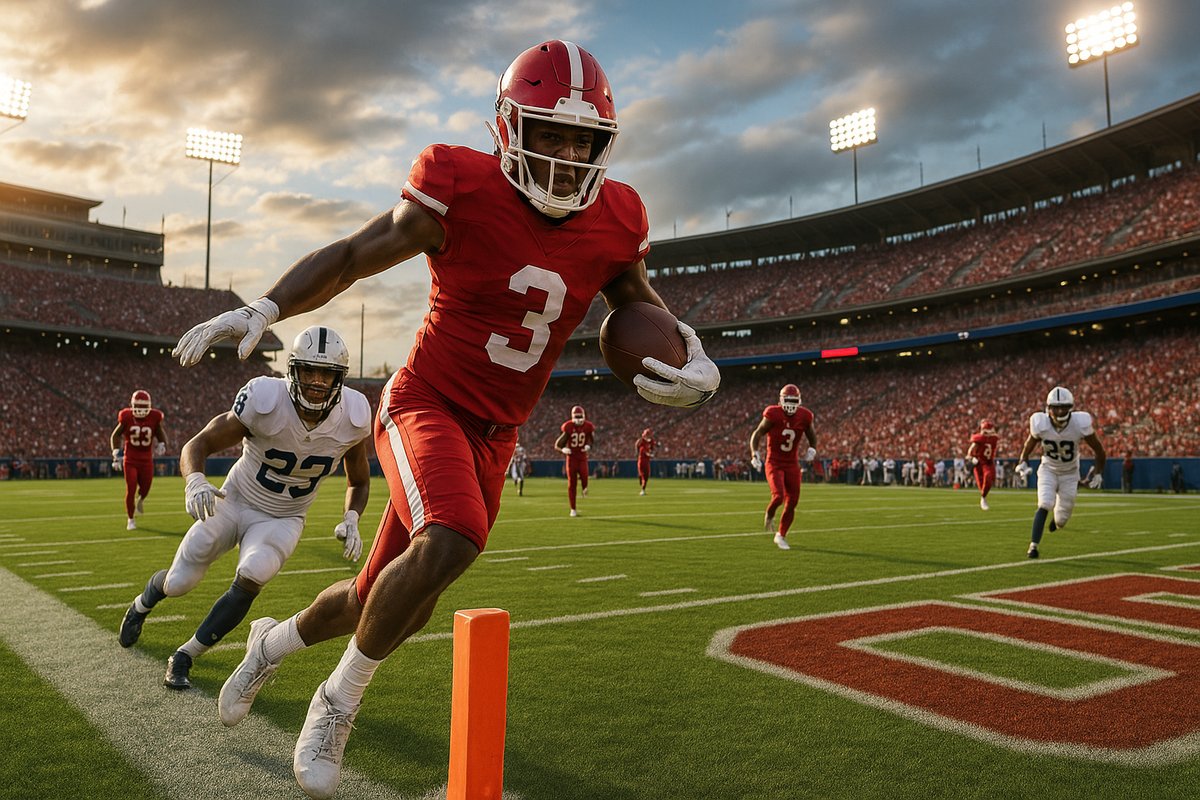
College football realignment has reshaped the sport in ways that echo the calculated franchise shifts and media deals we see in the NFL. What started as targeted conference jumps has turned into a full-scale restructuring, with schools chasing bigger payouts and better positioning much like teams navigating the salary cap and broadcast rights.
Realignment here means programs ditching old conference ties, often coughing up exit fees, to land in setups that boost revenue and visibility. The financial layer sets this apart from past moves—think TV deals in the billions, where annual athletic department hauls hit eight figures and decisions carry long-term weight beyond the field.
The latest wave kicked off hard in 2021. Texas and Oklahoma bolted the Big 12 for the SEC in a 2025 move that dropped on July 23, 2021, and set off a chain reaction. Soon after, USC and UCLA headed to the Big Ten from the Pac-12, while Colorado, Arizona, Arizona State, and Utah also jumped to the Big 12. That left the Pac-12 on shaky ground.
By 2023-2024 the Pac-12 basically unraveled. Oregon, Washington, and the others scattered to the Big Ten or SEC, leaving Washington State and Oregon State to rebuild with new partners. Stanford, California, and SMU slid into the ACC. Oregon and Washington landed in the Big Ten, while Texas and Oklahoma finally settled into the SEC. The old Pac-12 footprint shrank dramatically.
From a front-office lens, the SEC played it like a team loading up on high-value assets. They already had Missouri and Texas A&M from 2012, then added Texas and Oklahoma to reach 16 teams, locking in a media deal worth about $55 million per school each year. The Big Ten countered with its own expansion play, bringing in USC, UCLA, Oregon, and Washington to stretch coast-to-coast and capture new markets.
The Big 12 showed real resilience after losing its two biggest names, adding BYU, Houston, UCF, and Cincinnati to stay at 12 teams and remain a viable Power option. The ACC added SMU, California, and Stanford but still faces questions about keeping members happy with lower media revenue compared to the top two leagues.
Television money drives almost everything, the same way NFL owners chase the next rights deal. Schools moving to the Big Ten or SEC can pocket an extra $30-40 million annually, which changes the math on any contract or buyout. Competitive edge matters too—better schedules, more eyeballs, and stronger recruiting pipelines, much like how free-agent talent follows winning cultures and prime-time exposure.
What the front office is really thinking here is that facilities upgrades and NIL advantages flow directly from those bigger checks. Players follow the visibility, just as NFL free agents weigh market size and roster contention when signing.
The ripple effects show up in tighter playoff access for the SEC and Big Ten while other leagues fight for spots, plus broken rivalries that feel like losing a classic divisional matchup. Travel schedules stretch out, and athletes deal with the same uncertainty we see when teams relocate or rebuild.
Looking ahead, more consolidation could create even larger super-conferences, or things might settle into longer-term pacts. A bigger College Football Playoff with auto bids might ease some pressure, and shifts in how games are streamed could rewrite the revenue map again.
From a fantasy perspective, these moves change how we evaluate incoming NFL talent—programs in the top conferences now offer steadier exposure that boosts draft stock and long-term value. Fans get more national broadcasts but lose some of the old-school home-and-home traditions that made Saturdays special. At the end of the day, the money and positioning win out, just like in the league I cover.
The financial mechanics behind realignment deserve a closer look because they mirror NFL franchise decisions in surprising ways. When Texas and Oklahoma announced their move to the SEC, they faced exit fees from the Big 12 that totaled over $80 million combined—a staggering number that shows just how expensive it is to break these conference ties. Yet the long-term revenue gains justified the upfront cost. The SEC’s media rights deal, finalized in 2024, positioned those schools to earn substantially more over the life of the contract than they would have staying put. This mirrors how NFL teams sometimes absorb dead cap hits to position themselves for future success under a new regime.
The cascade effect of realignment also reveals something deeper about conference strength and perception. Once Texas and Oklahoma committed to leaving, the Big 12’s negotiating leverage for its media deal weakened significantly. Meanwhile, schools that had been sitting on the fence—Colorado, Arizona, Arizona State, Utah—suddenly faced pressure to move before the Big 12 lost more value. It’s the same domino effect we see in the NFL when one star player gets traded; suddenly other teams recalculate their positions and options. The perceived strength of a conference directly impacts how much media companies will pay for broadcasting rights, which directly impacts athlete compensation and recruiting ability.
Recruiting dynamics have shifted in profound ways since realignment accelerated. Top high school recruits now explicitly factor in conference affiliation and media exposure when choosing schools. A five-star prospect knows that playing for an SEC or Big Ten team means more prime-time games, broader national exposure, and stronger pipelines to NFL scouts. Schools in weaker conferences have to compensate with superior coaching, state-of-the-art facilities, or aggressive NIL packages to compete for talent. This creates a widening gap not unlike how NFL teams with bigger markets and stronger franchises attract premium free agents more easily.
The geographic footprint changes have also transformed what college football looks like. The Big Ten now stretches from the East Coast to the Pacific Northwest, similar to how the NFL manages conferences with teams spread across the entire country. Travel costs for athletes, training staff, and administrative personnel have increased substantially. A team from the traditional Big Ten footprint now faces grueling cross-country trips multiple times per season, which impacts player recovery, academic schedules, and overall team fatigue. These are real operational costs that athletic directors factor into their conference affiliation decisions.
Some schools navigated realignment better than others based on their decision-making timing. Oregon and Washington, for example, locked into Big Ten membership and secured their place in one of the nation’s premier conferences. Their timing allowed them to avoid the chaos that surrounded the Pac-12’s final days and ensured they landed in a conference with robust media deals and clear long-term stability. Contrast that with Washington State and Oregon State, who initially tried to hold onto Pac-12 membership and found themselves scrambling for landing spots when the conference collapsed. Timing, like in the NFL draft or free agency, matters enormously in realignment negotiations.
The impact on regional rivalries cannot be overstated. Games that had been played for decades—meaningful conference matchups with authentic regional pride—were suddenly severed. Colorado-Nebraska, Oregon-Washington, Oklahoma-Texas: these rivalries carried weight that transcended regular-season importance. Now those schools compete in different conferences, and even non-conference scheduling can’t fully recapture what was lost. For longtime fans, this mirrors the pain NFL supporters feel when beloved divisional rivals relocate or when legacy matchups get deprioritized due to scheduling changes or playoff formats.
Athletic departments also had to recalibrate their entire operational structures around conference membership. The SEC’s footprint now spans from Florida to Texas to Oklahoma, requiring conference offices to manage significantly more complexity around scheduling, travel logistics, television production, and governance. The Big Ten’s coast-to-coast expansion created similar operational challenges. These aren’t just theoretical problems—they impact everything from when teams travel, when games kick off, to how conference championship weekends are structured. The operational lift is comparable to how the NFL manages its own increasingly complex scheduling algorithm.
Looking specifically at how realignment affects NFL draft prospects, the changes are measurable and significant. A prospect who plays for an SEC school now appears on more nationally televised games, gets more exposure to NFL scouts and coaches, and has a clearer pathway to draft recognition. A talented player stuck on a now-weakened conference team might not get the same visibility, potentially affecting where they’re drafted and at what salary. General managers conducting their scouting evaluations have to account for conference strength when evaluating film, which incentivizes talented prospects to join power-conference schools.
The streaming and media rights evolution continues to shape realignment strategy going forward. As traditional cable television contracts become less predictable, conferences increasingly seek streaming partnerships and digital distribution deals. The Big Ten negotiated agreements with multiple networks including ones focused on streaming-first audiences. This diversification of media revenue sources might create new opportunities for conferences outside the SEC and Big Ten to build competitive media deals, potentially stabilizing the current alignment or enabling new configurations