
Bill Belichick Coaching Philosophy Breakdown
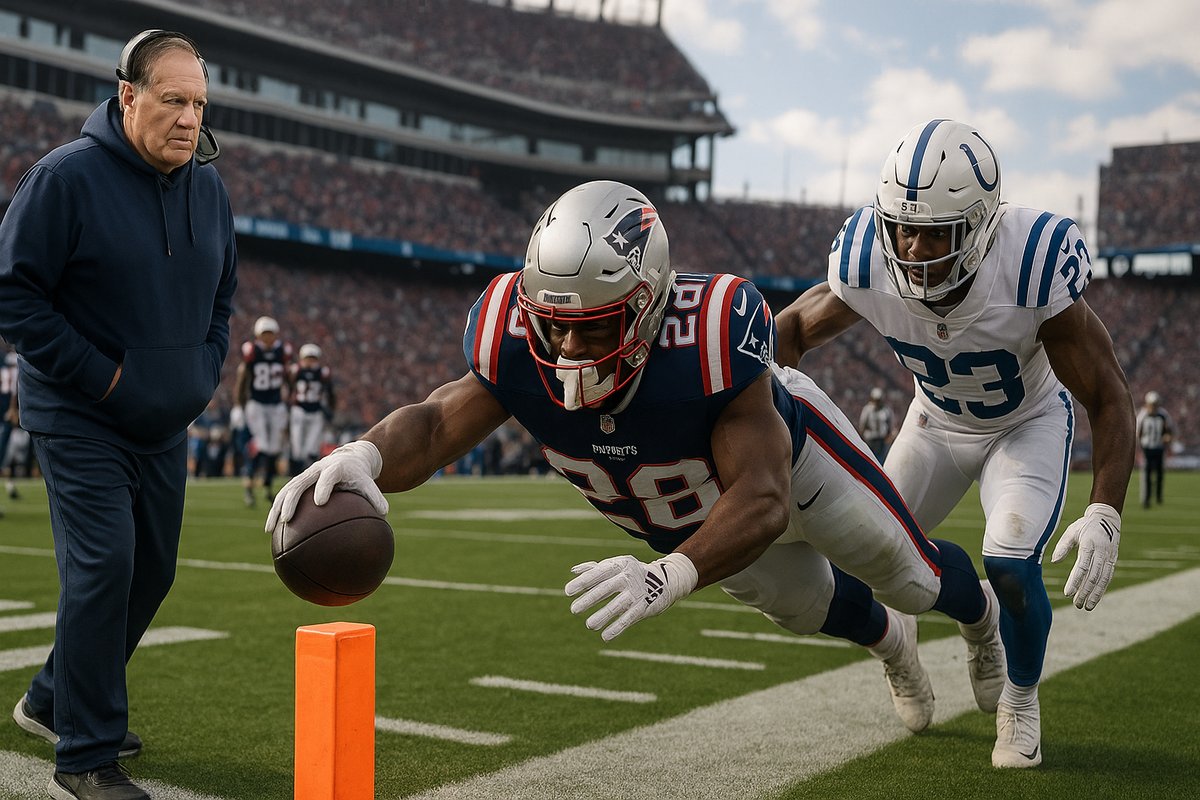
When you’ve lined up in a defensive scheme, you understand exactly why Bill Belichick’s whole system started with that “Do Your Job” mindset. Every single player had to know his gap responsibility, his coverage drop, and how his assignment fit the bigger picture, or the whole front would leak. I’ve studied enough film to know that kind of accountability turned average talent into championship teams, because nobody freelanced and nobody played with ego. That team-first culture showed up in the way the Patriots handled substitutions and kept fresh bodies rotating through the trenches without missing a beat on assignments.
The genius of Belichick’s approach extended beyond just defensive structure—it was about creating a system where individual brilliance was channeled through collective discipline. Players understood that their job wasn’t to make the highlight reel; it was to execute the assignment within the larger defensive framework. This philosophy meant that a defensive lineman’s primary role wasn’t necessarily to rack up sacks but to maintain gap integrity so that the linebacker could flow freely and make the tackle. That might sound basic, but most defensive coordinators struggle to get players to buy into roles where their individual stats might suffer for team success. Belichick made it clear from day one that this standard was non-negotiable, and those who couldn’t adapt found themselves on other rosters.
Belichick had a real eye for draft prospects who could be molded rather than the ones who came in already flashy. Tom Brady going in the sixth round and becoming a seven-time champion is the classic example, but you saw the same thing with guys like Ty Law and Rodney Harrison fitting right into those zone-coverage hybrids. Their aggressive style stayed disciplined because the system demanded it. Those units routinely finished first or second in points allowed during the title runs, and it wasn’t magic; it was film study, practice reps tailored to opponent tendencies, and a roster built on late-round finds that produced twelve Pro Bowlers.
This scouting philosophy reflected Belichick’s deeper understanding of what actually wins football games. He’d watch tape on players in the mid-to-late rounds and see the subtle indicators of intelligence and work ethic that wouldn’t show up in highlight films. A cornerback with average athleticism but elite instincts became more valuable than a first-round pick with physical tools but questionable discipline. The Patriots’ secondary exemplified this, with players like Ellis Hobbs and Randall Gay stepping in and holding their own against elite receivers because they understood positioning and leverage. This approach also gave Belichick cap flexibility, allowing him to build depth throughout the roster rather than tying up massive resources in one or two superstar positions.
On game day, the X’s and O’s side of it was relentless. Belichick rarely showed the same defensive look twice, disguising coverages to keep quarterbacks guessing. I’ve broken down enough of those Super Bowl tapes to see how the hybrid fronts blended 3-4 and 4-3 elements, letting him exploit mismatches with constant personnel changes while keeping gap discipline tight. The 2014 goal-line stand against Seattle is still textbook situational football. Offensively, they mixed run-heavy sets with play-action to keep things efficient, and the numbers back it up: under twenty points allowed per game in those championship seasons and a 219-64 regular-season mark from 2000 to 2019 with seventeen division titles.
What made those defensive adjustments so devastating was how they were rooted in systematic observation rather than guesswork. Belichick’s coaching staff would spend hours cataloging tendencies—not just what an offense did, but when they did it, from what formations, and in what down-and-distance situations. If a quarterback had a tendency to hold the ball an extra half-second longer on third-and-long, the defensive line would adjust gap assignments accordingly. If a running back favored one direction on short-yardage plays, the front seven would shade that way. These micro-adjustments, multiplied across all eleven defensive positions, created an environment where opposing offenses felt like they were playing against a defense that could read their minds.
Defensively, the focus stayed on limiting explosive plays and staying fresh late. Rotating linemen kept the front physical without losing edges, and the prevent-mode shifts in the fourth quarter turned close games into wins. Six Super Bowl titles, nine appearances, and thirty playoff victories speak for themselves. The 2003-2004 stretch where they gave up just 15.3 points per game and the 2016 overtime thriller against Atlanta both came down to the same thing: preparation that turned average margins into dominant ones, averaging 13.5 points in the wins.
The personnel rotation strategy deserves particular attention because it revealed how Belichick thought about resource management across an entire season. Rather than expecting his best defensive linemen to play sixty snaps per game every week, he’d carefully manage snap counts to keep everyone fresh and ready for January. This meant that when other teams’ front sevens were exhausted in the playoffs, the Patriots still had juice in the tank. The depth chart was designed so that the fifth defensive lineman could step in and maintain 90 percent of the production of the starter, which meant opposing offenses couldn’t exploit mismatches when injury or rotation occurred.
Belichick’s offensive philosophy complemented the defensive approach perfectly. Rather than chasing the latest offensive trends, the Patriots stuck to principles of efficiency and ball security. The play-action game worked because defenses knew the run was a legitimate threat; otherwise, the fake would be transparent. Short, high-percentage passing combined with power running created predictability that actually became an advantage—when you can execute the same ten plays better than anyone else, innovation becomes less important than execution. The 2007 offense that averaged 36.3 points per game showed what happened when everything clicked within that framework.
Looking at the full body of work, the 74,000-plus passing yards and 541 touchdowns Brady put up inside that system, plus the .658 win percentage, show how Belichick turned detailed scouting and roster construction into sustained excellence. When you’ve played linebacker at a high level, you recognize that level of situational awareness and film-driven adjustments don’t happen by accident. His influence still shows up in how today’s teams build depth and disguise coverages, because the principles hold up.
The legacy of Belichick’s coaching philosophy extends beyond statistics and championships. He fundamentally changed how NFL franchises approach roster construction, proving that sustained success doesn’t require constant roster overhauls or massive free agency spending. Instead, it requires clarity about system requirements, meticulous evaluation of whether players fit those requirements, and relentless execution of fundamentals. Coaches across the league now implement similar principles of scheme flexibility, defensive disguise, and player development. The Belichick model demonstrated that when every player understands his assignment and the coaching staff designs systems to maximize their strengths while minimizing weaknesses, sustained excellence becomes achievable.