
Analyzing NFL Red Zone Efficiency
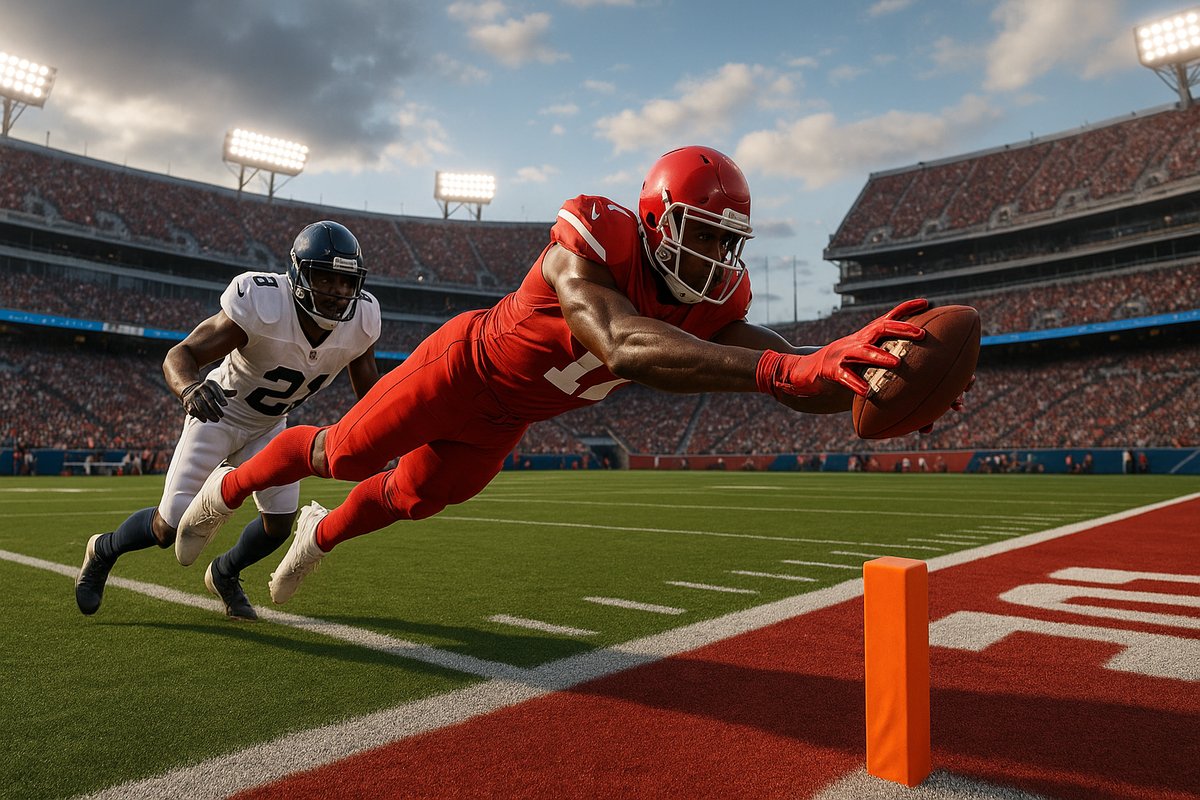
Red zone efficiency isn’t just a fancy stat—it’s the difference between hoisting a Lombardi and watching from the couch. In an era where margins are razor-thin and front offices are laser-focused on cap allocation, converting those trips inside the 20 into touchdowns instead of field goals can dictate everything from playoff seeding to how aggressively a franchise extends its core talent.
What separates the elite from the average here comes down to execution under pressure. League-wide, teams turn red-zone opportunities into touchdowns about 55-60 percent of the time, but the top offenses crack 65 percent or better. That gap shows up in play design, how quarterbacks handle collapsing pockets, offensive-line cohesion, and the availability of mismatch weapons like tight ends or physical receivers who thrive on contested catches. Defensively, the flip side measures how often opponents are forced into field goals or mistakes. Modern tracking layers in expected points added per play to cut through the noise of raw percentages.
The mathematics of red-zone success become crystal clear when you examine expected points. A touchdown is worth 7 points, while a field goal nets only 3. When a team converts at 65 percent versus 55 percent over a 16-game season with roughly 12-13 red-zone trips per team, that’s a difference of nearly 1.2-1.4 points per game—or roughly 20 points across a full schedule. In a league where the average margin of victory hovers around 9-10 points, that efficiency advantage can easily swing 2-3 additional wins annually. Teams sitting on the playoff bubble understand this calculus intimately, which is why situational specialists command premium roster spots and practice reps.
From a franchise-building angle, the Kansas City Chiefs have leaned on Patrick Mahomes’ improvisational magic to post touchdown rates north of 70 percent in multiple seasons—exactly the kind of production that justified his massive extension and keeps the window open. The Buffalo Bills have paired Josh Allen’s dual-threat ability with James Cook’s short-yardage reliability, a low-cost complement that maximizes value on a roster already carrying big quarterback money. On defense, the San Francisco 49ers have weaponized disciplined coverage and front-seven pressure to shrink the field. Players like Travis Kelce and George Kittle aren’t just stat-stuffers; their contract structures reflect how much organizations pay for proven red-zone reliability.
Understanding opponent tendencies inside the 20 has become its own cottage industry within NFL front offices. Defensive coordinators now spend entire practice weeks preparing situational personnel packages specifically designed to clamp down on short-yardage plays. Nickel packages get swapped for base formations, cornerbacks get pulled for safety help over the top, and pass-rush angles tighten considerably. Offensively, coaches counter by utilizing pre-snap motion, hard counts to draw defenders offside, and calling plays that exploit the constraints of compressed field geography. The best red-zone defenses—think the 49ers’ 2019 championship run or the Bucs’ 2020 defensive line—use their superior personnel to dominate the line of scrimmage, forcing offenses into uncomfortable decisions with limited real estate.
What the front office is really thinking here is that red-zone success often decides who reaches—and wins—the Super Bowl. In Super Bowl LVII, the Chiefs cashed three of four opportunities while the Eagles settled for field goals, underscoring how personnel packages built around versatile backs and athletic tight ends pay dividends. Historically, championship squads that ranked top-10 in this metric have posted far better win rates than those relying on kickers. Poor execution has derailed plenty of promising rosters, which is why coaches now carve out dedicated situational periods in practice.
The personnel flexibility demanded by modern red-zone football has reshaped roster construction across the league. Gone are the days when offensive coordinators could simply line up an extra tight end and bash downhill. Today’s elite units employ h-backs, converted receivers in tight end roles, and fullbacks who block on one snap and leak out as receiving threats on the next. The Los Angeles Rams, during their 2021 championship campaign, exemplified this with Matthew Stafford, Cooper Kupp, and a defensive front that could pressure opposing quarterbacks in compressed spaces. Teams with creative play-callers and schematic flexibility consistently out-perform those relying on predictable personnel packages.
From a fantasy perspective, targeting quarterbacks who post above 65 percent completion rates inside the red zone gives you a built-in edge—they win roughly 65 percent of their starts. Running backs still account for about 28 percent of league-wide red-zone scores, making goal-line specialists like Cook or similar backs intriguing late-round options. Over the past decade, top-five red-zone offenses have reached the playoffs 78 percent of the time, and play-action calls inside the 20 generate an extra 0.42 expected points per play compared with standard drops. This metric proves especially valuable when evaluating backup quarterbacks entering starting roles—understanding their red-zone pedigree often predicts whether they’ll sink or swim in critical moments.
The 2022 Chiefs posted a 72.4 percent red-zone touchdown rate, the best mark that year. Since 2010, Super Bowl winners have averaged 8.3 red-zone touchdowns per playoff run versus 5.1 for teams eliminated earlier. The Eagles’ defense allowed touchdowns on just 48 percent of opponent trips during their 2022 run. Those numbers don’t lie: organizations that prioritize versatile personnel and situational prep consistently hold the advantage when games tighten.
Advanced metrics have introduced new layers of sophistication to red-zone analysis. Success rate—which measures whether a play gained enough yards to constitute success based on down and distance—tells a different story than raw touchdown percentage. A team might score touchdowns on 58 percent of trips but post a 72 percent success rate on individual plays, indicating excellent efficiency even when settling for field goals. Explosive play rate, which tracks attempts gaining 15+ yards, shows which offenses can manufacture big plays in tight spaces. The Detroit Lions’ 2023 resurgence relied heavily on this, with Ben Johnson’s creative playcalling generating explosive opportunities where most teams see constraints.
Climate and stadium factors subtly influence red-zone outcomes across the schedule. Teams playing multiple games in domed facilities or warm climates show marginally higher conversion rates, while outdoor November games in Buffalo or Green Bay see increased field-goal attempts as passing windows compress. Injury availability to key red-zone weapons creates measurable swings—when a top tight end misses games, conversion rates dip roughly 2-3 percent league-wide, suggesting the importance of depth and insurance policies at premium positions.
Defensive schemes have evolved alongside offensive creativity. The Tampa 2 coverage, once a cornerstone of red-zone defense, has largely given way to two-high safety looks designed to prevent explosive plays while accepting modest gain opportunities. Pressure rates inside the 20 actually trend lower than league-average in many modern schemes—coordinators prioritize coverage integrity and constraint over gambling with aggressive blitzes that leave gaps over the middle. The best red-zone defenses generate pressure through superior lineman technique and gap integrity rather than exotic packages.