
Analyzing NFL Offensive Line Performance
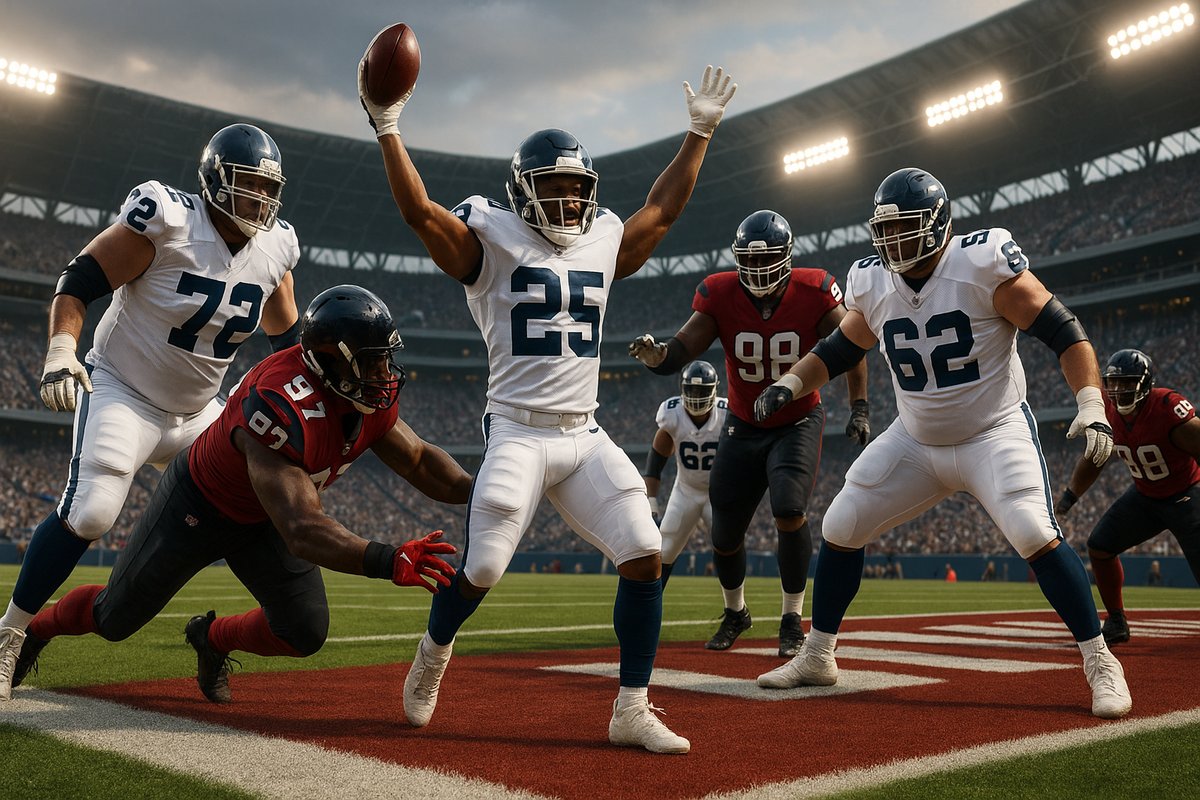
The foundation of any championship-caliber NFL offense still rests with those five big bodies up front, even in a league obsessed with highlight-reel quarterbacks and skill-position fireworks. Offensive lines set the tone by keeping edge rushers off the QB’s back and carving out lanes for the run game, which in turn lifts both passing efficiency and ground production across the board. When that unit is average or worse, even Pro Bowl talent at skill spots can look ordinary week after week, which is why smart front offices keep investing premium resources there instead of chasing the next flashy weapon.
In today’s pass-first schemes, those linemen have to be Swiss Army knives—pass pro, run blocking, zone, gap, you name it. What the front office is really thinking here is that continuity and communication buy you extra seconds in the pocket and extra yards after contact, the kind of margin that turns a good offense into a repeat contender. Look at how the Chiefs have leaned on that precision to let Patrick Mahomes improvise; the same principle showed up when the 49ers’ physical front powered a top-five rush attack all the way to the Super Bowl. Elite groups routinely cut quarterback pressure rates by 20-30 percent versus the league average, keeping drives alive and avoiding the field-position swings that come from negative plays.
From a fantasy perspective, a dominant line is basically a multiplier for your starting running back and QB. Pass-block win rate—how often a lineman sustains his block for at least 2.5 seconds—lines up with completion percentages north of 65 percent, which is gold if your fantasy QB is in a high-volume offense. Run-block win rate tells you which backs are getting downhill lanes and which ones are dancing for their lives. Pressure allowed per dropback and blown-block percentage give you the real picture on third downs, the situations that actually decide games and fantasy weeks. Teams now layer PFF grades with Next Gen Stats to isolate who’s actually moving the needle, especially when pairing those linemen with mobile quarterbacks who can extend plays.
Championship history keeps hammering the same point home: Super Bowl winners almost always have a trench advantage. The 2019 49ers and the Buccaneers’ veteran group that shielded Tom Brady both rank among recent examples, and the Chiefs have made it a recurring theme. Clubs sitting inside the top 10 in adjusted line yards tend to push deeper into January because they avoid negative plays and control the clock. What the front office is really thinking here is that drafting or extending those trench players creates longer contention windows than overpaying for skill-position talent that can’t stay upright without help. Trent Williams posting pass-block win rates above 90 percent in multiple seasons is the textbook case—anchor that kind of player and the whole offense rises with him.
The numbers back it up without much debate. Top units hold pressure below 18 percent of dropbacks and post quarterback ratings above 105. Elite run-blocking groups push 4.8 yards per carry or better, which flips time of possession in your favor. Since 2000, 12 of 23 Super Bowl winners ranked top 10 in total offensive-line grades. Blown-block rates under 4 percent usually keep sack totals under 25 for the season. Next Gen Stats show strong interior play lifts first- and second-down rushing success by 12-15 percent. Free-agent linemen coming off Pro Bowl nods have added roughly 4.2 points per game to their new offenses on average, and first-round investments in the trenches have delivered higher long-term returns than the same pick at skill positions when you’re trying to build a sustained contender.
Understanding the individual positions within the offensive line reveals why teams must invest across the entire unit. Left tackles draw premium draft picks and free-agent dollars because they protect the quarterback’s blind side on right-handed passers, making them the highest-paid non-quarterback positions on most rosters. Centers operate as the quarterback’s field general, reading pre-snap coverage and making line adjustments that can completely alter a play’s success rate. Guards provide crucial support in both gap-control run schemes and pass-protection angles, while right tackles face increasingly capable edge rushers as defensive schemes continue to evolve. Right guards especially have become critical in zone-running concepts, where their ability to move laterally and create cutback lanes separates good run games from great ones. Evaluating each position separately, rather than treating the line as a monolithic unit, helps identify where strengths and weaknesses truly lie.
Injuries to starting offensive linemen create cascading problems that few fans fully appreciate until they watch a backup shuffled in mid-game. A single player going down forces the entire unit to adjust communication patterns, spacing, and assignment recognition—sometimes for the rest of the season. Teams with reliable depth at multiple positions see far less offensive production dropoff than those rolling with journeymen backups, which is why successful organizations maintain quality reserve linemen despite salary-cap pressures. The Bills’ run of success corresponded directly with upgrading their offensive line depth; when Stefon Diggs arrived in Buffalo, the coaching staff had already invested heavily in five quality starters and credible backups. That infrastructure allowed Josh Allen’s development to accelerate because he wasn’t constantly scanning the field for collapsing pockets.
Scheme compatibility matters enormously when evaluating line talent. A guard built for pulling blocks and creating running-back lanes in a zone-heavy run scheme may struggle in a gap-control power system that requires immediate vertical penetration. Tackle types vary significantly too—some thrive in space-conversion blocking for spread-formation attacks, while others dominate in tight formations where leverage trumps athleticism. Coaching staffs increasingly tailor free-agent acquisitions and draft targets to fit their specific schematic needs rather than chasing pure talent grades. The Bengals’ investment in offensive-line improvements directly reflected their coaching staff’s commitment to power running concepts in addition to their elite passing attack, recognizing that play-action efficiency depends on opposing defenses respecting the run threat.
Film study reveals nuances that raw statistics sometimes miss. A lineman posting a 75 percent pass-block win rate might consistently dominate in clean pockets but struggle catastrophically against coordinated blitzes, making him unreliable on crucial third-and-longs. Conversely, a player with a 70 percent rate might excel at climbing to the second level and stonewalling linebacker penetration, directly contributing to successful outside runs even if his overall number appears inferior. Advanced evaluation now incorporates situational breakdowns—red-zone efficiency, success rates in specific down-and-distance scenarios, and performance against the opposing unit’s best pass rushers—to build complete pictures of offensive-line value.
The offensive line also dictates pace-of-play advantages that affect defensive fatigue and third-down conversion rates. Lines that consistently gain positive yards and avoid negative plays keep drives alive, which exhausts opposing defenses across four quarters. Teams ranking top 10 in time of possession typically feature top-15 offensive lines because sustained drives naturally extend game duration. This advantage compounds in close playoff games where defensive fatigue can flip momentum in the final quarter, which partly explains why top offensive-line units correlate so heavily with postseason success.
At the end of the day, the tape and the contracts tell the same story: success starts in the trenches. Teams that treat offensive-line talent like a priority instead of an afterthought keep finding ways to separate themselves, even in a quarterback-centric league.
Sources
- NFL.com Team Statistics – Official NFL team performance metrics and offensive line data
- ESPN NFL Statistics – Comprehensive offensive line rankings and player performance analytics
- Pro Football Reference – Detailed offensive line statistics and historical performance data
- NFL.com News – Latest articles and analysis on offensive line performance and injuries