
Best Football Movies of All Time: From Classics to Modern Masterpieces
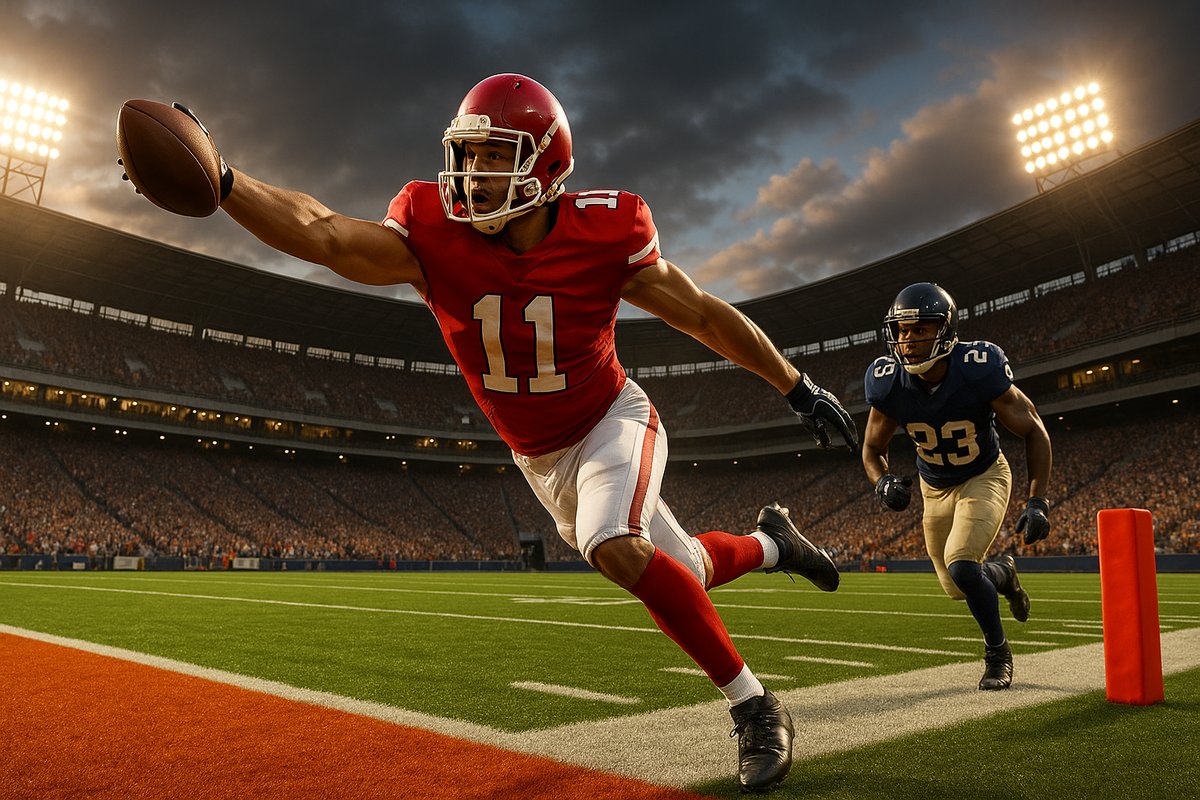
Football movies hit different when you’ve spent a dozen years watching how front offices actually operate. These stories aren’t just about touchdowns; they’re about roster construction, the weight of second contracts, and the kind of grit that turns a seventh-round pick into a long-term asset. Whether it’s an underdog tale or a behind-the-scenes look at the draft room, the best ones echo real NFL dynamics—cap management, locker-room culture, and the mental and physical toll that shows up years later on injury reports.
Rudy still stands out because it captures the undrafted-free-agent mindset before that term even existed. Sean Astin’s portrayal of the kid who refuses to quit mirrors the late-round or priority free-agent types who keep making 53-man rosters despite the analytics. From a fantasy perspective, those are the waiver-wire adds you stash in deep leagues, betting on heart over measurables. What the front office is really thinking here is whether the player’s intangibles justify the roster spot when the 90-man limit gets tight. The film’s 1993 release predates the explosion of advanced metrics, yet it perfectly encapsulates why NFL scouts still value character and determination alongside measurable production. Rudy’s journey from walk-on to game-day active roster feels authentic because it reflects how many contemporary underdogs actually crack NFL rosters—through relentless preparation, film study, and earning respect from coaches and teammates.
Remember the Titans blends team-building with the hard reality of integrating a new culture overnight. Denzel Washington’s Coach Boone has to manage personalities the way a modern GM has to blend veteran contracts with rookie deals. The film shows how quickly chemistry can form—or fracture—when leadership prioritizes winning over comfort, something I’ve seen play out in training-camp holdouts and franchise-tag negotiations. The 2000 film’s historical accuracy regarding the 1971 integration of T.C. Williams High School makes it resonate beyond football. It illustrates a principle that applies directly to NFL locker rooms: diverse teams with strong leadership outperform homogeneous squads that lack accountability. Modern coaches like Kyle Shanahan and Andy Reid have built championship cultures on similar principles—authentic integration of talent, clear communication, and mutual respect that transcends background.
Friday Night Lights stays gritty because it doesn’t sugarcoat the pressure on young talent. High-school stars chasing D1 scholarships face the same early-career expectations as first-round picks whose rookie contracts already carry massive expectations. The movie’s refusal to deliver a clean Hollywood ending feels closer to real-life second-contract decisions than most feel-good sports dramas. Based on H.G. Bissinger’s non-fiction book, the film authentically portrays how recruiting rankings can define entire careers before athletes even step foot on a college campus. The pressure on Odessa Permian players mirrors the anxiety that surrounds draft prospects and their families—the stakes are personal, financial, and generational.
Among the classics, Brian’s Song still lands because it humanizes the business side of the league. The friendship between Brian Piccolo and Gale Sayers reminds you that behind every cap hit and dead-money calculation are actual teammates whose careers can end in an instant. North Dallas Forty goes further, showing the physical wear that later shows up in long-term injury guarantees and the league’s evolving stance on player health. Nick Nolte’s portrayal of an aging receiver fighting to stay relevant despite nagging injuries prefigured conversations about chronic traumatic encephalopathy (CTE) and the long-term consequences of professional football. The 1979 film was genuinely controversial at the time for its unflinching depiction of pain management, substance use, and the disposability athletes feel in a league driven by younger, cheaper alternatives.
Draft Day is the one that actually feels like sitting in a war room. Kevin Costner’s GM has to weigh trade value, positional value, and the pressure of a fan base that doesn’t understand dead-cap space. Watching it now, you can’t help but think about how one bad evaluation can set a franchise back three drafts and force them into overpaying for veteran help in free agency. The 2014 film captures the accelerating pace of modern draft analysis—the combination of film study, combine metrics, medical evaluations, and character assessments that inform a single first-round selection. It also highlights the tension between organizational philosophy and external pressure, whether from ownership, media, or fan expectations. Teams like the Kansas City Chiefs have benefited from front offices that trust their process despite criticism; conversely, franchises that constantly second-guess their draft capital allocation often find themselves in cap purgatory.
Concussion brought the long-term health conversation into living rooms the same way real CTE data eventually forced changes in rookie-contract structures and post-career benefits. Will Smith’s portrayal of Dr. Bennet Omalu showed how scientific evidence collided with institutional resistance. The film’s 2015 release coincided with growing awareness among the public about neurological damage from repeated head trauma—something that influences how teams value positions like cornerback and safety, where collision frequency exceeds other positions. The NFL’s subsequent investment in independent concussion protocols and research represents a genuine evolution, though ongoing debate persists about adequacy.
The Blind Side, for all its box-office success, still circles back to Michael Oher’s actual NFL path—how teams evaluate developmental tackles and whether the investment in protection upfront pays off in a quarterback’s longevity. Sandra Bullock’s Oscar-winning performance overshadowed the technical football analysis, but the film’s core insight remains valid: offensive line development and mental processing are as important as athleticism. The movie’s depiction of Oher’s journey from homelessness to first-round pick demonstrates how circumstance, opportunity, and mentorship intersect with talent evaluation. NFL scouts increasingly recognize that character, adaptability, and coachability matter enormously for offensive linemen, who must develop chemistry and communication patterns that take time.
Documentaries like O.J.: Made in America use football as the entry point to larger questions about celebrity, endorsements, and what happens when a player’s on-field value collides with off-field reality. ESPN’s 30 for 30 series has done similar work, giving front-office types and fantasy managers alike deeper context on why certain careers flame out or endure. Recent documentaries exploring figures like Hines Ward and Peyton Manning show how individual agency, organizational support, and timing all shape professional trajectories. The 30 for 30 archive includes critical examinations of draft busts, coaching controversies, and franchise decisions that reveal how easily miscalculation compounds over years.
The through-line in all these films is that football, at every level, is a series of calculated risks—on the field, in the front office, and in the contract years that follow. The ones that stick with you are the ones that respect those stakes instead of just chasing the highlight reel. Whether examining a backup linebacker’s second contract negotiations or a GM’s panic trade, the most insightful football entertainment acknowledges that outcomes depend on thousands of incremental decisions. Front offices win or lose based on pattern recognition, risk management, and organizational discipline—precisely the themes that elevate these films beyond typical sports entertainment into compelling human drama.