
Football Helmet Safety, Technology & Evolution in the NFL
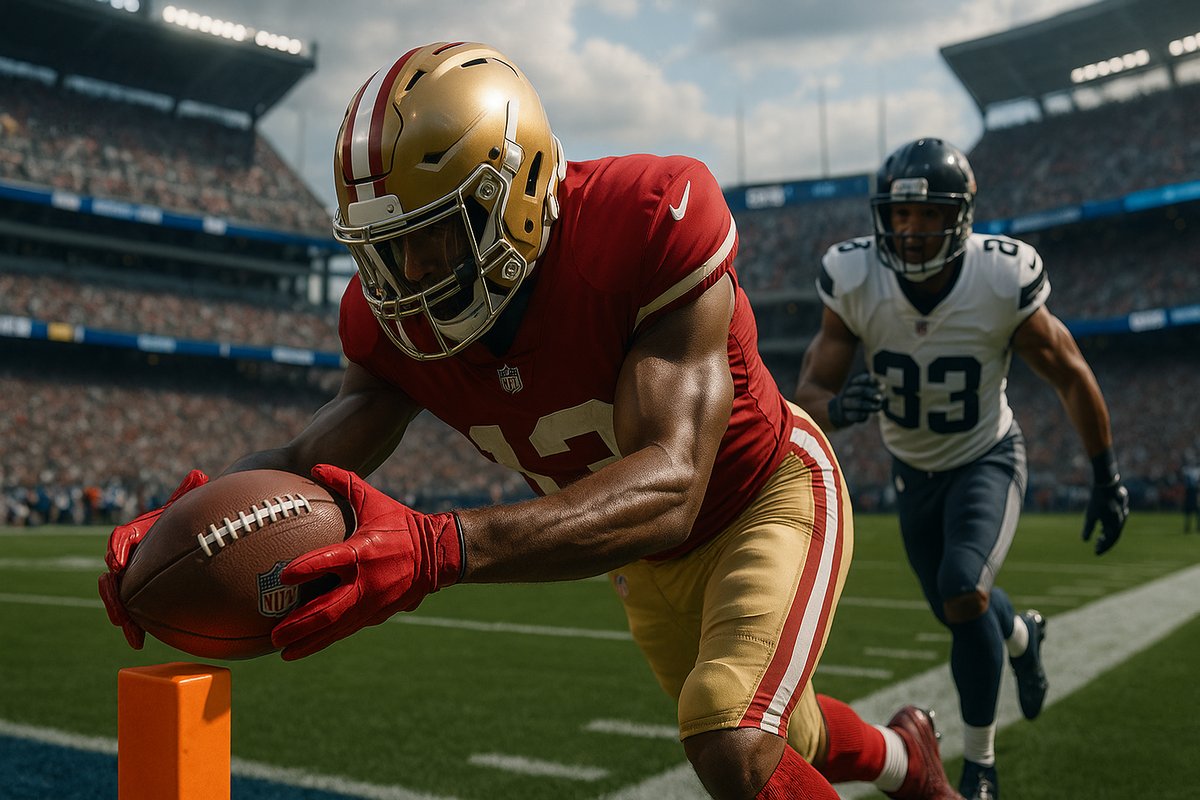
When you’ve lined up as a linebacker staring down an offensive scheme, you understand real quick that your helmet isn’t just sitting on your head—it’s the difference between staying in the play and getting pulled for concussion protocol. The football helmet has come a long way from those old leather jobs to the high-tech setups we see in the NFL today. It’s engineered to cut down impact forces, limit concussions, and keep guys upright through the brutal collisions that define this league. Modern designs pull together advanced materials, sensor tech, and testing that goes way beyond what we had even ten years ago.
All helmets in the league have to clear NOCSAE certification first. Those tests drop weighted rigs from multiple angles to measure how well the shell and padding disperse energy, just like the hits you take in the trenches. The NFL layers on its own Helmet Testing and Evaluation Program for extra scrutiny, and nothing gets on the field without passing. Recertification happens regularly, and equipment managers check every unit before kickoff—no damaged or non-compliant lids allowed. I’ve studied enough film to know that one loose fit can turn a clean tackle into a head-snap that sends a player to the sideline.
Inside the shell, polycarbonate or fiberglass composites spread the force across the whole surface so you don’t get those pinpoint stress points that rattle the brain. Underneath sits the multi-layer foam system, with different densities tuned for high-speed and low-speed collisions. Some models now add viscoelastic foams that react differently depending on the hit. The newest wrinkle is gyroscopic sensors and accelerometers that track rotational forces and linear acceleration—the exact things that cause concussions. Medical staff get real-time data on big impacts even when a player shakes it off and wants to stay in.
The history of helmet evolution in football reveals just how far the sport has come in recognizing player safety. In the early days of the NFL, leather caps with minimal padding were standard—basically just something to keep your ears intact. By the 1950s, plastic shells started appearing, and the addition of face masks in the 1960s changed the game completely. However, these early designs didn’t account for the acceleration and deceleration forces that cause brain injury. It wasn’t until the 2000s that serious research into concussion mechanisms began influencing helmet design, leading to the sophisticated impact-absorption systems we see today. The transformation has been driven by both improved scientific understanding and increased liability awareness across the league.
Face masks have evolved too, using high-strength steel or titanium that holds up without adding unnecessary weight. The attachment points are built to redirect force away from the neck, which matters when you’re dropping into coverage or filling a gap. Proper fit is everything: level on the head, about an inch above the eyebrows, chin strap snug but not choking. I’ve seen draft prospects come in with the latest Riddell SpeedFlex or Schutt F7 and still need hours of custom padding work because every head shape is different. Equipment managers measure and adjust until it locks in right, because a helmet that shifts mid-play kills your vision and your ability to read gap discipline.
The position you play actually influences which helmet works best for you. Linemen often prefer models like the Schutt F7 for the extra padding and stability in dense pack situations, while defensive backs and receivers sometimes opt for lighter designs with better visibility like the Riddell SpeedFlex. Quarterbacks need helmets with reliable communication systems built in, since play-calling happens through helmet audio. Kickers and punters might choose different shell geometries since they experience collisions less frequently but need maximum comfort for their specialized roles. Teams invest significant resources in getting these matchups right, understanding that player preference combined with proper safety performance matters for both protection and productivity.
Maintenance is nonstop. Teams inspect for cracks or worn padding before every practice and game, swapping out foam multiple times a season. The league keeps detailed records and runs random checks—non-compliant gear means fines. Since the NFL started tracking concussions closely, the drop in rates lines up with these newer designs that cut rotational forces by 15-20 percent compared to older models. Riddell, Schutt, and Xenith models dominate the approved list, each with their own liner tech aimed at different position needs.
Behind the scenes, the testing protocols for NFL-approved helmets are extraordinarily rigorous. The Virginia Tech Helmet Lab runs independent evaluations that have become industry standards, measuring impact severity using a metric called Head Impact Power (HIP). Helmets undergo testing with impacts from multiple angles and velocities because real football hits don’t come straight on—they come at angles that create rotational acceleration. A helmet might pass NOCSAE standards but still show weakness in rotational performance, which is why the NFL’s additional testing layer provides crucial validation. Some manufacturers are now testing at impact velocities exceeding 100 mph, significantly higher than average game-speed collisions, to ensure maximum safety margins.
Recent concussion data from the NFL shows meaningful progress. In 2015, the league recorded around 1.2 concussions per team across the season. By 2023, improved helmet designs, better detection protocols, and stricter return-to-play procedures brought that number down to roughly 0.6 per team—a 50-percent reduction. While no single factor deserves all the credit, helmet technology improvements account for a significant portion of this decline. However, experts acknowledge that even perfect helmets can’t eliminate concussion risk entirely because the brain itself is moving inside the skull during impacts. That’s why comprehensive concussion management includes baseline neurocognitive testing, on-field assessment protocols, and symptom-tracking before players get cleared to return.
The role of innovation companies and partnerships has accelerated helmet development. Some NFL teams now collaborate directly with manufacturers to test prototype designs before public release. Advanced materials research has introduced impact-reactive materials that soften under high-force collisions while remaining stiff during normal impacts—essentially tuning the response to the specific threat. Some experimental helmets incorporate liquid suspensions and gel layers that further dampen rotational forces. While these cutting-edge designs aren’t yet standard issue league-wide, they represent the direction helmet technology is heading.
Looking ahead, the next wave includes graphene composites and smart foams that adjust on the fly. Graphene-enhanced materials offer exceptional strength-to-weight ratios, potentially creating shells that protect even better while reducing neck strain from carrying heavier equipment. Smart foam technology that responds in real-time to impact velocity could revolutionize protection across different collision scenarios. Wireless sensor networks built into helmets might communicate with sideline medical staff through encrypted systems, providing immediate alerts when dangerous impacts occur even when players don’t display obvious symptoms. Some research labs are exploring nanotechnology applications that could eventually create impact-absorbing materials we’re just beginning to imagine.
No helmet erases every risk in this game, but the way these systems keep evolving shows how seriously the league is taking player protection. When you’ve played at this level, you appreciate every upgrade that lets you focus on your assignment instead of worrying about the next big collision. The evolution from leather caps to AI-enhanced smart helmets represents the NFL’s commitment to preserving player brains while preserving the sport fans love. That balance—competitive intensity with genuine safety investment—continues to define modern professional football.