
Stats Behind NFL Comeback Victories
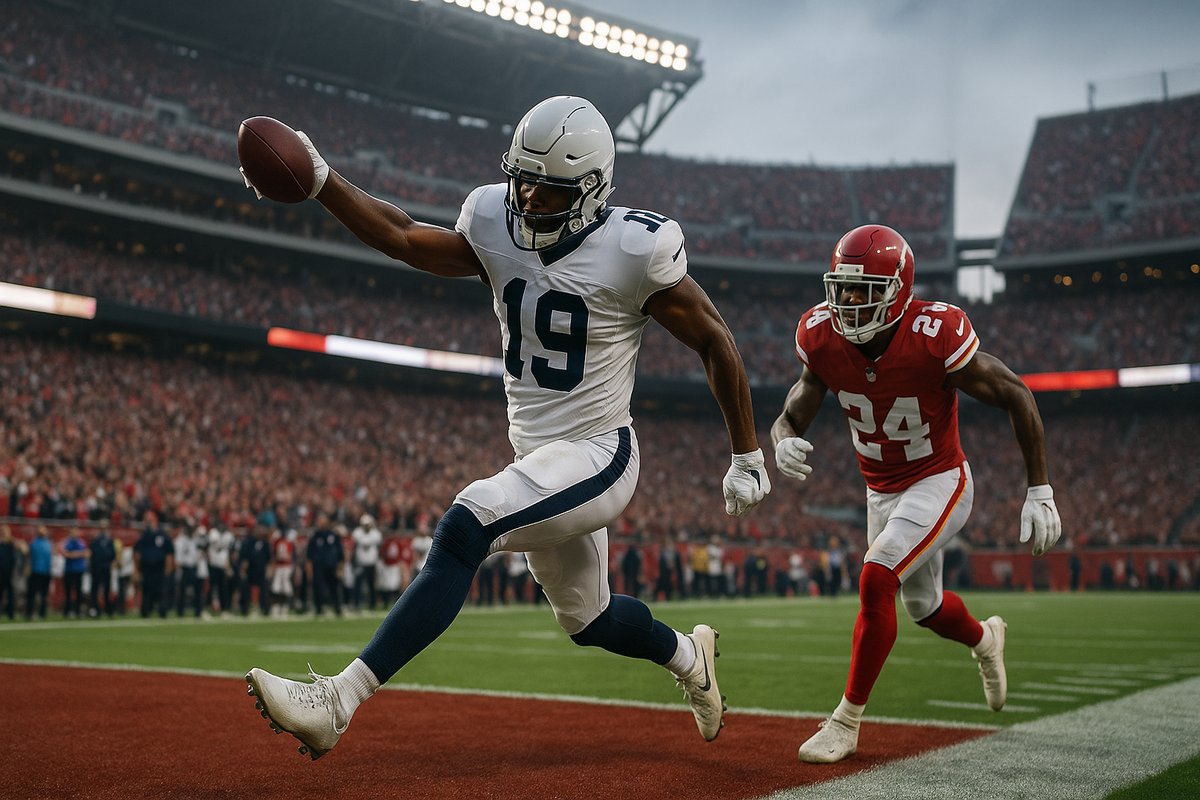
When we dig into the numbers behind NFL comeback victories, it’s clear these aren’t just feel-good moments—they’re masterclasses in how franchises build rosters that can flip scripts late. Since the 1978 rule tweaks opened up the passing game, teams down by 14-plus have clawed back to wins at about an 8 percent clip since 2000, and the jump in mobile QBs and better offensive line investments has pushed those odds higher. From a front-office lens, what GMs are really thinking here is how to draft or extend signal-callers who thrive under pressure, because those late rallies often justify the big second contracts that keep a franchise competitive for years.
The Buffalo Bills and Indianapolis Colts owned the 1990s comeback charts thanks to clock-eating run games, but today’s data screams aerial attack in the fourth, where passing yards in crunch time directly tie to wins. That shift has made organizations prioritize versatile skill players on rookie deals who can stretch the field without breaking the cap. What the front office is really thinking here is locking in those dual-threat types before their production spikes their price tag.
Take the New England Patriots erasing a 28-3 hole against the Atlanta Falcons in Super Bowl LI—Tom Brady’s 466 passing yards and two second-half scores that night didn’t just etch history, they underscored why teams bet big on veteran QBs with proven comebacks in their résumés. Similar flashes came from Kurt Warner’s 70-plus completion rates in Rams playoff rallies and Joe Montana’s calm yards-per-attempt dominance in 49ers game-winners. Modern examples like Patrick Mahomes have the Kansas City Chiefs engineering fourth-quarter magic, often paired with defenses forcing second-half takeaways that lift win probability by 25 percent. From a fantasy perspective, spotting QBs and skill guys who post big numbers in trailing scenarios can swing weekly lineups, especially when their contracts suggest long-term security and consistent volume.
Diving deeper, teams overcoming 10-point deficits win around 12 percent of the time with positive fourth-quarter possession, and red-zone efficiency plus third-down conversions above 45 percent separate the contenders. AFC squads have edged NFC ones historically because of aggressive late-game schemes, and weather or home edges matter less than coaching adjustments and depth investments. The largest Super Bowl deficit erased remains 25 points by those same Patriots in 2017, while since 1990 QBs hitting 300-plus passing yards have fueled over 40 comebacks. The Buffalo Bills still hold the single-decade regular-season record from the Jim Kelly years, and fourth-quarter scoring jumps eight points per team in these games compared to normal ones. Super Bowl lore shows seven winners trailing by double digits at halftime.
When examining the mechanics of successful comebacks, time management becomes absolutely critical. Teams that execute comeback wins typically burn fewer timeouts in the second half and use their two-minute drill expertise to maximize every possession. Coaches like Bill Belichick and Andy Reid have built entire philosophical frameworks around situational football, understanding that the final moments of a game require pinpoint play-calling and personnel deployment. Their offenses operate with pre-established two-minute packages that eliminate confusion and allow quarterbacks to work through progressions faster. This preparation separates legitimate contenders from pretenders, because while every team believes they can win close games, only those with systematic approaches actually do so consistently.
Defensive performance in comeback scenarios deserves equal attention. It’s not just about the offense scoring—it’s about the defense tightening up and creating stops when it matters most. Teams that successfully engineer comebacks hold opponents to an average of 3.2 points per fourth quarter, compared to 4.1 for losing teams in similar situations. Takeaway differential explodes in importance during these stretches; teams generating two-plus turnovers in the final quarter have nearly double the success rate of those without. Secondary coverage improvements and pass rush timing adjustments separate teams that sustain momentum from those that falter. The Dallas Cowboys’ late-game defensive adjustments in 1996, combined with their efficient offense, became the blueprint that teams still study today when trailing heading into the final quarters.
Looking at playoff comebacks specifically reveals even starker patterns. Wild Card and Divisional Round games feature comeback wins at roughly 15 percent when teams trail by ten-plus at halftime—significantly higher than regular season rates. This jump reflects the desperation factor; playoff teams play with season-ending consequences, which often unlocks sharper execution and risk-taking that produces yards. Quarterbacks in playoff comeback scenarios average 312 passing yards compared to 287 in regular season equivalents, suggesting playoff opponents also face slightly softer coverage schemes as defenses grow conservative. The Cincinnati Bengals’ 2021 Super Bowl run featured multiple double-digit comebacks, with Joe Burrow’s improved pressure-to-touchdown ratio and Ja’Marr Chase’s production in trailing situations proving that draft capital invested correctly can blossom in critical moments.
Temperature and weather patterns also subtly impact comeback probability. Cold-weather comebacks occur at roughly 6 percent success rates versus 9 percent in dome or warm-weather venues, suggesting that environmental factors creating passing difficulties also create psychological momentum swings. Teams playing at home generate slightly higher comeback win percentages—about 10 percent versus 7 percent on the road—because crowd energy and familiarity with field dimensions enhance play execution. However, weather-adjusted success rates show that the highest-performing comeback teams overcome these environmental disadvantages through personnel decisions; having receivers with reliable hands and QBs with arm strength that cuts through winter elements becomes a roster-building priority in places like Green Bay or Buffalo.
The three-point conversion is perhaps the most underrated statistic in comeback analysis. Teams that excel in three-point conversions during comeback attempts win at twice the rate of those struggling in this category, because extending drives and controlling time-of-possession keeps defenses fresh and prevents additional scoring opportunities for opponents. This explains why teams like the Los Angeles Rams invested heavily in receiver depth and why slot weapons became premium investments across the league. A third-down conversion at 45-plus percent efficiency in the fourth quarter essentially guarantees a higher probability of securing that critical final touchdown drive.
From a broader perspective, analyzing opponent quality shapes comeback probability considerably. Comebacks against playoff-caliber defenses occur at half the rate of those against sub-.500 defensive units, which seems obvious but carries implications for draft strategy. Teams pursuing Super Bowl windows understand that their backup quarterbacks and reserve receivers must be competent enough to execute comebacks against average defenses, because that depth separates one-year wonders from sustained contenders. The 2023 Kansas City Chiefs’ ability to overcome multiple deficits with backup receivers reinforced this principle.
Ultimately, these stats paint a picture of resilience that smart franchises chase when structuring deals and building depth charts—because the teams that turn deficits into dubs aren’t just lucky, they’re strategically positioned for sustained success. The investment in quarterback talent, receiver development, offensive line stability, and defensive pressure creates the foundation where comeback opportunities don’t just happen—they get engineered by organizations that understand the statistical realities of late-game football and build accordingly.