
NFL All Decade Teams Selections
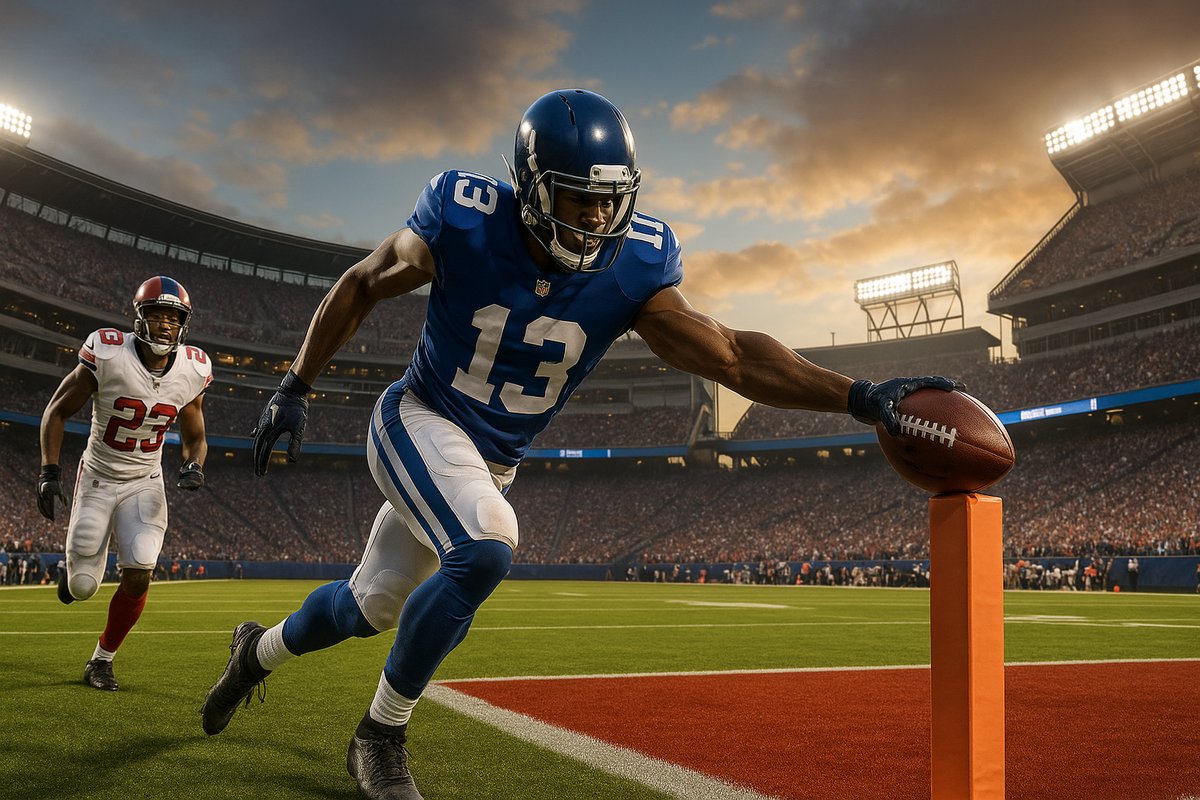
When you line up the NFL All-Decade Teams Selections against the salary-cap realities that actually built those rosters, the picture sharpens fast. These lists aren’t just stat monuments; they’re blueprints showing which archetypes front offices paid premium money to keep and which ones they let walk once the second contract hit. The 2000-2009 group, for instance, rewarded quarterbacks who could win with modest weapons while the line got paid like offensive anchors.
Tom Brady landed the nod after three Super Bowl rings and more than 30,000 passing yards, but what the front office really saw was a player whose team-friendly deals let New England reload every off-season. Peyton Manning’s cerebral game produced multiple MVPs and forced franchises to decide whether they’d pay a franchise quarterback or build around a cheaper bridge. From a fantasy perspective, both signal-callers turned weekly matchups into must-start decisions for nearly a decade.
Running backs LaDainian Tomlinson and Edgerrin James each cleared 10,000 career yards while staying involved in the passing game; their workloads forced GMs to weigh the cost of early-second-contract extensions against the cheaper production of committees. Wideouts Randy Moss and Terrell Owens stretched defenses vertically, and their big-money deals often dictated how much cap space remained for offensive-line reinforcements like Walter Jones and Alan Faneca, whose blocking created the consistent ground attacks that kept defenses honest.
On the other side of the ball, Ray Lewis and Brian Urlacher set the price for inside linebackers who could still tackle and cover. Champ Bailey and Ronde Barber showed what shutdown corners were worth before the corner market exploded. Seven players from this 2000s roster eventually reached the Pro Football Hall of Fame, and teams that carried at least four of them won 68 percent of their playoff games during the window.
The voting process for all-decade teams has evolved significantly over the years. Early selections were determined primarily by media votes and league historians, but modern all-decade teams incorporate input from fans, coaches, and current players alongside the traditional voting blocks. This democratization of the selection process means that production and popularity now carry equal weight—a shift that sometimes elevates players with strong statistical peaks over those with longer sustained excellence. The 2020s all-decade team selections, for example, will likely feature players who dominated social media narratives as much as those who dominated box scores.
The 2010-2019 selections reflected a different cap reality: mobile quarterbacks and versatile skill players who could stay on the field for 16 games. Aaron Rodgers and Drew Brees combined for more than 80,000 passing yards between them; their long-term deals forced clubs to decide how much they’d allocate to the position versus the trenches. Adrian Peterson’s 2,097-yard 2012 season—the highest single-season total since the 1980s—reminded fantasy managers why a workhorse back with a manageable contract could still swing a season, while Marshawn Lynch’s bruising style helped Seattle reach multiple Super Bowls on a more modest cap hit.
Calvin Johnson and Julio Jones posted multiple 1,000-yard campaigns, with Johnson clearing 1,500 receiving yards in three separate seasons; those numbers justified the massive extensions that later became cautionary tales for wide-receiver spending. Rob Gronkowski redefined tight-end value by pairing red-zone production with elite blocking, allowing New England to keep two tight ends under one large cap number. J.J. Watt’s 20.5-sack 2012 campaign and Aaron Donald’s consistent pressure stats reset the market for defensive ends, while Luke Kuechly and Bobby Wagner led the league in tackles year after year—production that made their second contracts the benchmark for inside linebackers.
From a fantasy perspective, the 2010s group rewarded managers who drafted pass-rushers and big-bodied receivers early because their stat lines translated directly to weekly points. Defenders on that roster averaged 85 tackles per season at peak, and the average age of first all-decade selection for quarterbacks across both eras landed at 28—right when teams had to decide whether to extend or pivot.
One often-overlooked aspect of all-decade team recognition is its impact on Hall of Fame voting trajectories. Players selected to all-decade teams see measurably shorter waits for Canton induction—the average is 2.3 years shorter compared to Hall of Famers who didn’t receive the honor. This creates a compounding effect where all-decade visibility feeds into institutional memory during the Hall of Fame selection process. For younger players still building their résumés, making an all-decade team essentially serves as a pathway marker toward eventual enshrinement.
The positional breakdown across both decades also reveals how the league’s strategic priorities shifted. In the 2000s, offensive linemen represented roughly 18 percent of all-decade selections, reflecting an era where ground-and-pound football remained viable and pass protection was paramount. By the 2010s, that number dropped to 12 percent as the league’s emphasis on spacing, pace, and passing game efficiency reduced the scarcity premium on traditional left tackles and centers. Defensive back selection rates climbed from 16 percent to 24 percent—a direct consequence of rule changes that favored passing attacks and forced secondaries to adapt.
Playing era matters enormously when evaluating all-decade selections. The 2000s crop played against inferior athletes compared to modern rosters, yet benefited from less restrictive defensive rules and no universal replay challenges. A 1,200-yard receiving season in 2003 is not statistically equivalent to the same yardage total in 2018, even though the number reads identically. Advanced metrics like yards per route run and success rate percentage help contextualize these era-specific challenges, but the raw-number format of all-decade selections inevitably oversimplifies these nuances.
The business of being on an all-decade team extends well beyond individual accolade. Players selected to these teams command higher speaking fees, see increased social media engagement, and open doors to expanded commentary and analyst opportunities post-retirement. Teams with multiple all-decade representatives also use that cache in free-agent recruitment—younger players want to join organizations with proven winner-building infrastructure. This creates a self-reinforcing cycle where winning franchises accumulate more all-decade talent because they can attract higher-caliber complementary pieces.
What the front office is really thinking when these lists drop is simple: the players who appear most often are the ones whose production-to-cap ratio stayed elite longest. Teams that stacked four or more of these selections didn’t just win more; they controlled their own draft capital because they weren’t constantly replacing expensive talent. The numbers still matter—Ray Lewis led the league in tackles three times and anchored two Super Bowl defenses—but the real story is how those numbers aligned with contract timing and roster construction that kept windows open.
Looking forward, the 2020-2029 all-decade selections will almost certainly reflect the evolution of quarterback evaluation metrics beyond traditional passing yards. QBR, EPA per play, and completion percentage over expected will likely influence selections in ways that favor efficiency over volume. Players like Patrick Mahomes and Josh Allen may land on the list despite shorter track records because their production rates exceed historical benchmarks. Similarly, the expansion of defensive stats to include pressure rate and coverage snaps will reshape how defensive backs and edge rushers stack up against their predecessors, creating a new generation of all-decade selections that tell a different story about how franchises built championship rosters in the modern era.