
Super Bowl Advertising Revenue Milestones
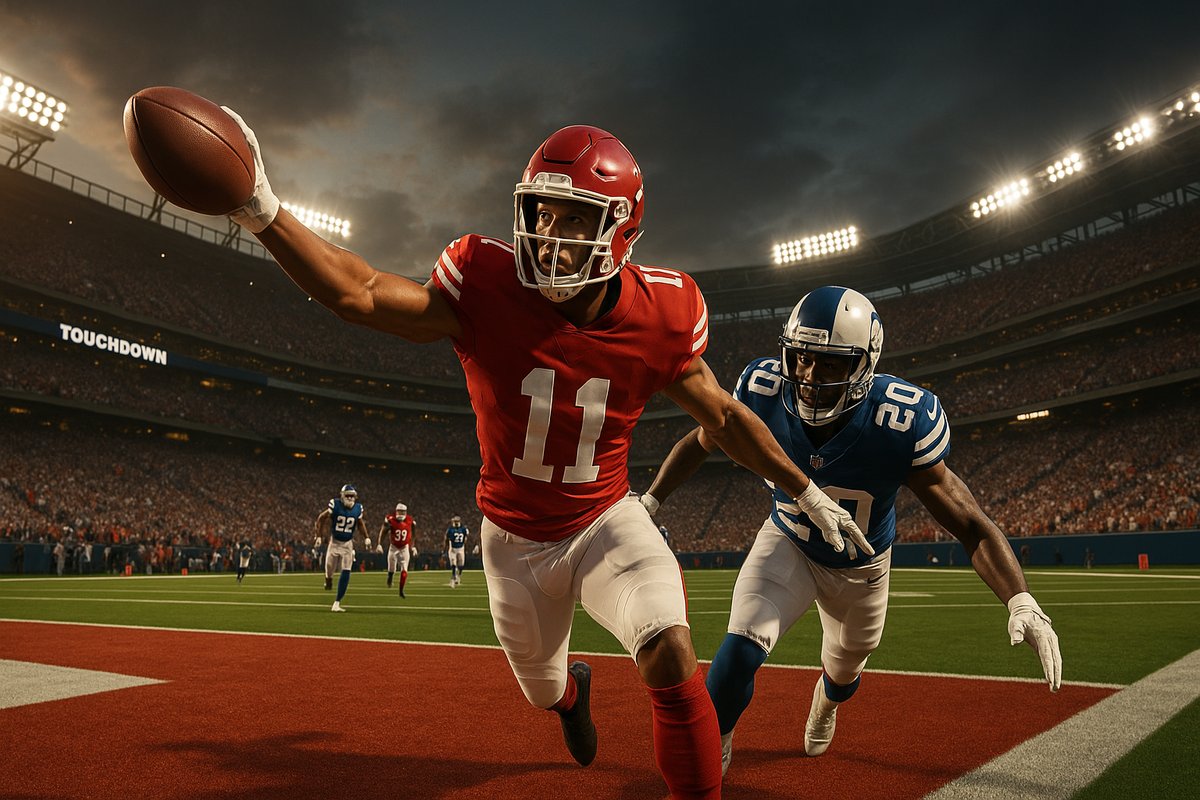
Man, when you’ve lined up in a defensive scheme and watched how one elite player can shift an entire front, you understand why Super Bowl advertising revenue has exploded the way it has. That first game back in 1967 between the Packers and Chiefs? CBS was only charging $37,500 for a 30-second spot. Straightforward product plugs, nothing fancy, just capitalizing on the raw excitement around teams like Green Bay and their stars.
I’ve studied enough film to know the growth came in waves, same as how coverage schemes evolved from simple man-to-man into layered zones that force offenses to earn every yard. By 1977 those rates had climbed to $125,000. The 80s and 90s brought the real acceleration—$400,000 average in 1984, then cracking $1 million for the first time in 1994 during the Cowboys’ dynasty run. Celebrity spots and storytelling turned the broadcast into must-see for brands, and the rise of guys like Joe Montana, Jerry Rice, and later Brett Favre only made the narratives stronger. Networks like NBC, Fox, and CBS battled for rights because they knew the viewership numbers would top 100 million.
The modern era is where the numbers really separate from the pack, like a prospect with elite gap discipline who refuses to get washed out on runs. Prices hit $2 million in 2006, $3 million in 2011, and averaged $7 million per 30-second spot by Super Bowl LVIII in 2024 on CBS and Paramount+. Streaming extensions and targeted ads opened new revenue streams. Players like Tom Brady and Patrick Mahomes keep pulling in automotive, tech, and beverage money, while newer categories like crypto and streaming services reflect how the league’s audience has broadened. Recent Super Bowls often clear $500 million total when you factor in pre-game and digital packages.
The economics behind these astronomical rates tell a fascinating story about modern media consumption and brand investment. A single 30-second Super Bowl spot in 2024 costs roughly the same as buying a luxury home in most American markets. Networks justify these rates because the Super Bowl delivers unmatched reach—no other sporting event or television program comes close to guaranteeing an audience of 115+ million viewers. For comparison, the most-watched regular season NFL game might draw 20-30 million viewers, and prime-time cable shows rarely exceed 10 million. This scarcity and concentration of eyeballs means brands are essentially bidding for access to a captive, engaged audience that actively wants to watch the commercials. During the Super Bowl, people gather specifically to see the ads, treating them almost like entertainment rather than interruptions. That’s unprecedented in television history and worth every penny to Fortune 500 companies trying to launch products or rebrand.
The demographic composition of Super Bowl viewers also commands premium pricing. The event attracts not just hardcore football fans but casual viewers, families, and people who rarely watch sports otherwise. This broad appeal means advertisers reach across income levels, ages, and geographic regions simultaneously. A beer company can sell to working-class drinkers, a luxury car brand can target affluent professionals, and a streaming service can introduce itself to cord-cutters all in the same 30-second window. The Super Bowl is one of the few moments where American consumers from every walk of life are paying attention to the same thing at the same time, and that unified attention is priceless in a fractured media landscape.
Technology has fundamentally reshaped how advertising revenue flows during the Super Bowl. In earlier decades, networks earned money almost exclusively from TV commercials. Today, second-screen experiences drive additional value. Brands create hashtags, develop mobile apps, and launch social media campaigns timed to their Super Bowl spots, extending engagement far beyond the 30-second airtime. Advertisers track real-time social sentiment, measure click-through rates, and adjust digital strategies on the fly based on how audiences react to their commercials. Some companies report that their Super Bowl ad generates millions of impressions across TikTok, Instagram, and Twitter within hours of airing, amplifying the initial broadcast investment many times over. Networks now bundle these digital components into their ad packages, justifying the escalating rates by pointing to expanded reach beyond traditional television.
The sponsorship ecosystem surrounding the Super Bowl extends well beyond the 30-second spots. Teams, the NFL itself, and the host city negotiate massive deals with companies seeking official designation. Hotels, restaurants, transportation companies, and entertainment venues all cash in. Official beer sponsors, official car manufacturers, and official payment processors pay tens of millions just for the title, separate from any commercials they run. These ancillary deals have grown to rival the television advertising revenue itself, creating a multibillion-dollar economic impact that extends far beyond what networks charge for airtime.
Looking at industry trends, certain product categories consistently dominate Super Bowl advertising budgets. Automotive brands have been among the top spenders for decades, understanding that the Super Bowl reaches millions of people considering vehicle purchases. Technology companies—from Microsoft to Apple to Samsung—have recognized the event as ideal for launching new products or explaining complex services to a mainstream audience. Beverage companies, particularly beer and soft drink manufacturers, view Super Bowl Sunday as their single most important marketing day of the year, sometimes spending more on a 60-second Super Bowl spot than on an entire month of conventional advertising. Food delivery services, mobile phone carriers, and financial services companies have increasingly competed for inventory as traditional advertisers’ budgets have shifted.
The production values of Super Bowl advertisements have evolved dramatically alongside the pricing. Early Super Bowl ads in the 1970s and 80s were often straightforward, shot efficiently and cheaply. Modern Super Bowl ads are frequently cinematic productions with celebrity talent, elaborate sets, and months of pre-production planning. Some companies spend $5-10 million producing a single 30-second commercial, knowing the $7 million airtime cost represents only part of their total investment. This raises the barrier to entry, meaning smaller companies and startups rarely advertise during the Super Bowl unless they’re part of a major corporation’s portfolio or have secured significant venture funding specifically for marketing splashes.
International expansion of Super Bowl viewership is beginning to unlock new revenue opportunities. While the Super Bowl has always drawn some international viewers, streaming services and global distribution agreements have exponentially increased overseas audiences in recent years. Networks are now experimenting with region-specific advertising, allowing brands to purchase spots targeted primarily at international markets while still reaching domestic viewers. This geographic expansion could potentially add another revenue stream as companies operating globally seek to reach Super Bowl audiences beyond the United States.
Key milestones that stand out on the tape:
– 1967: $37,500 for 30 seconds in Packers vs. Chiefs.
– 1994: First time over $1 million during that Cowboys stretch.
– 2010: Average reached $2.8 million with digital integration ramping up.
– 2024: Record $7 million average for LVIII.
– Consistent 100-million-plus viewership keeps every slot premium.
– Brands like Budweiser, Pepsi, and Apple have poured hundreds of millions across the decades.
What started as modest sponsorships has turned into a multibillion-dollar ecosystem. Technology keeps pushing it forward, and the physical, emotional draw of the game on the field ensures these revenue milestones will keep climbing. The Super Bowl has become more than just a football game—it’s become an advertising institution, a cultural event where commercials themselves become water-cooler conversation. As long as the NFL maintains the game’s prestige and networks deliver massive audiences, advertisers will continue paying whatever it takes to be part of that moment.