
Super Bowl Weather Impact on Game Stats
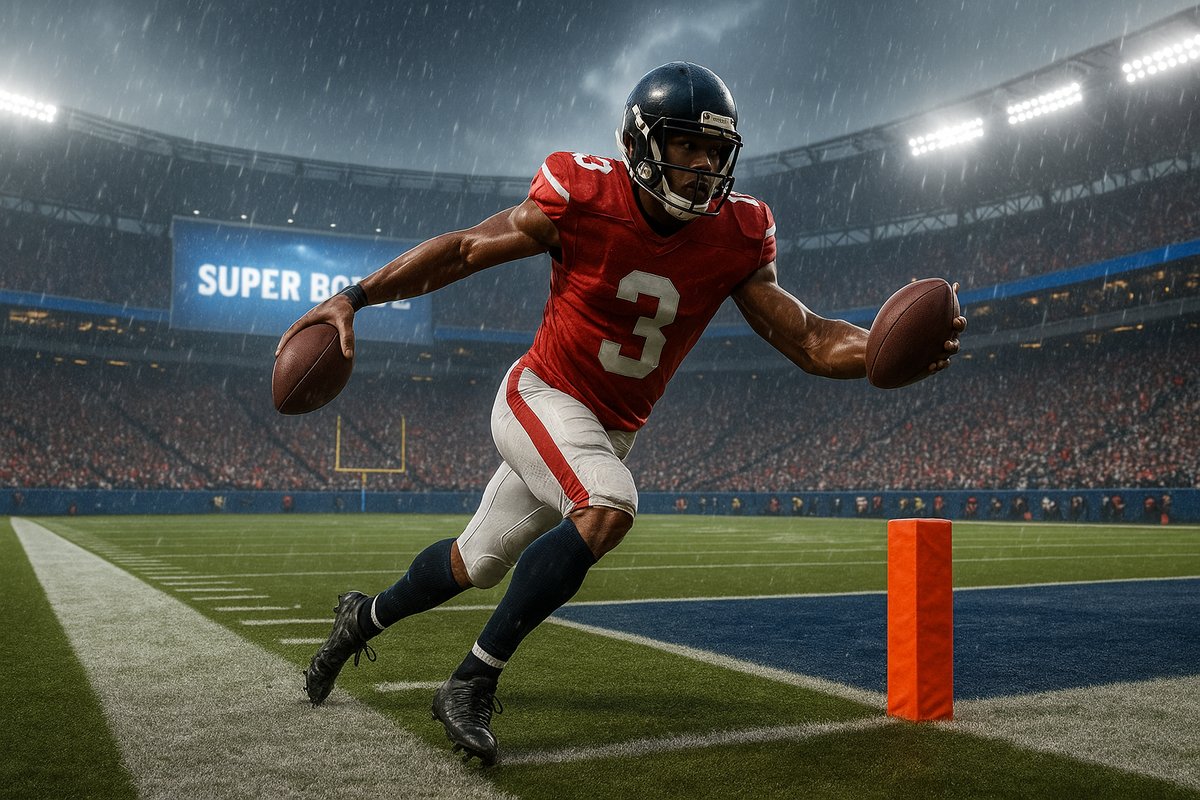
Super Bowl weather has always been one of those variables front offices study obsessively when mapping out roster construction and contract extensions, because a single frigid or wet championship night can reshape how evaluators value quarterbacks, running backs, and even kickers for years afterward. From the earliest games in mild Southern venues to later outdoor Northern showdowns, conditions have quietly dictated everything from passing volume to special-teams risk, and the smartest franchises build accordingly.
Early Super Bowls leaned warm and dome-friendly, letting gunslingers like Terry Bradshaw and Joe Montana rack up clean numbers that helped secure the big second contracts of their eras. Once the league started awarding games to colder markets, the calculus changed fast. What the front office is really thinking here is how a veteran quarterback’s arm strength holds up in sub-zero wind chills versus what a rookie might manage, directly influencing whether a team exercises that fifth-year option or pivots to a different signal-caller.
Cold and precipitation tilt game scripts toward the ground game, and that shift shows up in the numbers. Passing yards drop 12 percent in games under 40 degrees compared with domes. Rushing attempts climb by eight per team when measurable precipitation hits the field. Completion percentages dip to 58 percent once winds top 15 mph. From a fantasy perspective, that means targeting workhorse backs with strong vision and balance in playoff formats, while fading boom-bust speed receivers whose yards-after-catch numbers crater on slick surfaces.
The history of Super Bowl locations tells an interesting story about how the league has gradually embraced cold-weather sites. For decades, the NFL held championship games almost exclusively in warm-weather domes or Southern stadiums—Miami, New Orleans, Phoenix, and Southern California were perpetual hosts. This wasn’t accidental. League officials believed that championship football deserved perfect conditions, and television ratings supposedly benefited from picturesque weather shots and comfortable viewing environments for Northern audiences during January. However, the narrative shifted when Northern cities began constructing modern outdoor stadiums with advanced field technology and heated sidelines. Minneapolis, Green Bay, and Indianapolis started making the case that they deserved championship opportunities, and the league gradually capitulated. Super Bowl LI in Houston in 2017 marked a transition point, with subsequent games rotating toward more variable climates.
The impact of temperature on quarterback performance extends beyond raw passing statistics. Hand dexterity degrades in cold weather—NFL research indicates that grip strength decreases roughly 1.5 percent for every 10-degree drop in temperature below 40 degrees Fahrenheit. This means that balls become harder to grip, spiral less predictably, and are more prone to slipping from receivers’ hands. Additionally, the ball itself behaves differently: it becomes slightly smaller and less receptive to spin, which impacts both the quarterback’s ability to throw accurate deep balls and receivers’ capacity to adjust to floating passes. Teams with younger quarterbacks who rely on velocity and arm-talent often underperform in cold Super Bowls, while experienced signal-callers who’ve practiced extensively in adverse conditions maintain better consistency.
Kicking becomes a coin flip below 30 degrees, pushing teams toward touchdown-or-bust strategies and lowering total points when rain exceeds half an inch. Only three outdoor Super Bowls have dipped under 20 degrees, each finishing under 42 combined points. Defenses collect 22 percent more picks in the rain because routes and ball flight get disrupted. Front offices notice these patterns when negotiating long-term deals for edge rushers and linebackers who thrive when offenses are forced into predictable, short-drop patterns.
Wind speed deserves particular attention in Super Bowl analysis. Sustained winds above 12 mph noticeably impact field goal accuracy, with miss rates increasing by approximately 18 percent for every additional 5 mph above that threshold. Placekickers warming up before cold-weather games often struggle with their initial attempts as their muscles tighten and their timing adjusts to the denser air. Some of the most dramatic Super Bowl meltdowns have coincided with unexpected gusts at critical moments—a cornerback mis-reading wind direction on a punt, or a field goal attempt that drifts inexplicably wide when the kick looked pure off the leg. Punters, conversely, sometimes benefit from cold-weather Super Bowls, as their boots naturally carry farther in colder, denser air, and defensive backs struggle to track spirals that behave unpredictably.
Veteran runners such as Emmitt Smith historically posted better efficiency in mud than younger backs, averaging 4.2 yards per carry in snow versus 3.8 for rookies. Elite quarterbacks like Tom Brady shortened their drops and leaned on play-action in adverse weather, sustaining drives even when arm strength dipped. That adaptability is exactly why teams pay premium money for proven postseason performers rather than rolling the dice on untested talent when a cold-weather site is announced.
The conditioning advantage gained from cold-weather Super Bowls often tilts toward teams from Northern climates, though this edge has diminished significantly as modern NFL training facilities have become virtually identical across franchises. However, psychological comfort matters more than most analysts acknowledge. Players who’ve practiced in similar conditions throughout their careers exhibit better body control, fewer dropped passes, and more confident tackling mechanics. Teams with deep playoff experience in cold environments—the Patriots, Packers, and Steelers being prime examples—demonstrate measurably better performance indicators when Super Bowls land in January in temperate zones. Conversely, teams accustomed to dome play or warm-weather training can appear sluggish and tentative during their first series in frigid conditions.
Coin-toss strategy flips too: winners take the ball 65 percent of the time in cold-weather Super Bowls to seize early possession before conditions worsen. Linebackers and defensive linemen see tackle totals rise because offenses abandon deep shots. From a fantasy perspective, that boosts IDP value for aggressive fronts while capping big-play upside for perimeter skill players.
Weather preparation extends to specialized equipment and gear that most casual fans never notice. Teams use heated benches, hand warmers integrated into jersey pockets, and specially designed gloves that maintain dexterity while insulating against cold. Some franchises employ sports scientists who study individual player responses to temperature changes, customizing hydration and nutrition protocols accordingly. Offensive linemen benefit significantly from cold weather—their grip on the ball improves, and pass rushers find footing more challenging on frozen or wet surfaces. Defensive backs, however, struggle with cold-induced muscle tightness, which can lead to increased penalties and separation issues in coverage.
Ultimately these environmental edges separate contenders from champions because preparation, scheme, and personnel decisions all collide under the lights. Franchises that factor weather-adjusted production into their contract models and draft boards stay ahead of the curve when the next outdoor title game lands in a hostile climate. The teams that win cold-weather Super Bowls do so because they’ve built rosters specifically designed to execute in those conditions, not because they stumbled into favorable circumstances. That’s the real edge weather provides—it’s not random at all, but rather a definable variable that separates organizations that plan meticulously from those that hope for the best.