
Profiles of Legendary NFL Coaches
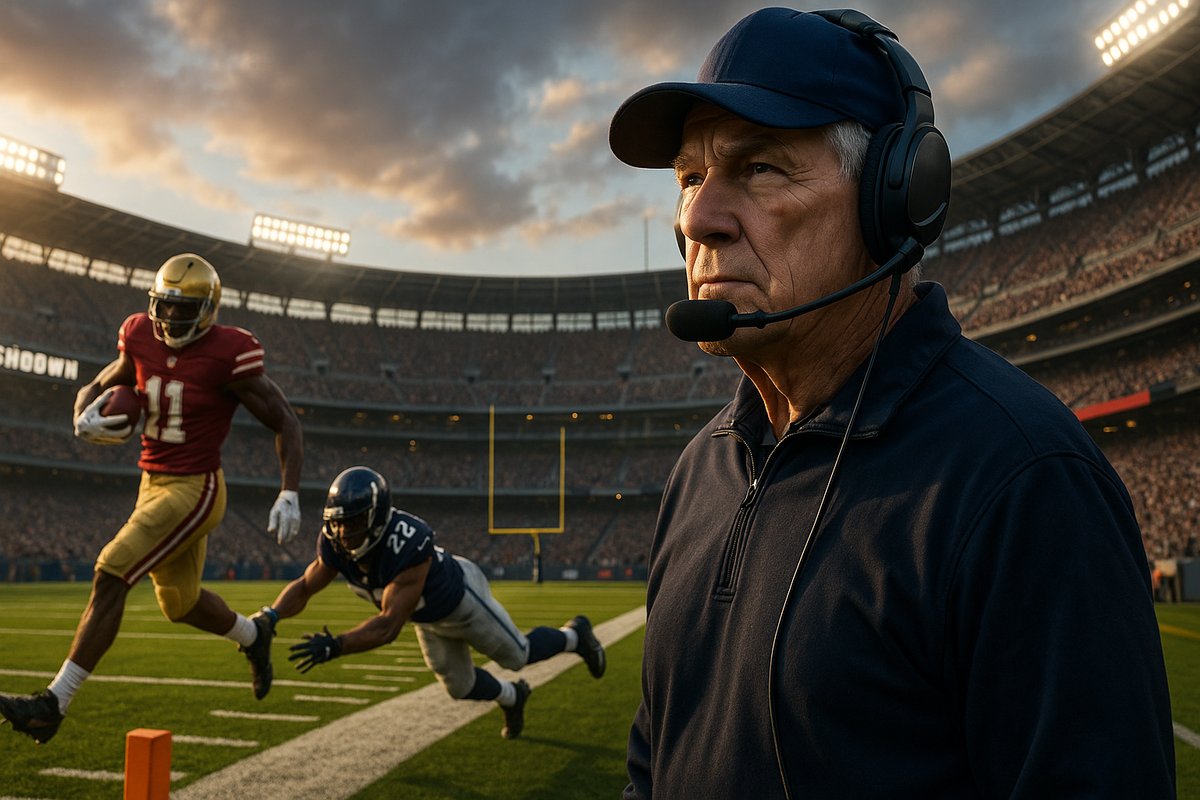
When you’ve lined up in a defensive scheme, you understand exactly how much gap discipline and physical execution it takes for a coach to build something that lasts. I’ve studied enough film to know these legends didn’t just rack up wins—they wired entire organizations around fundamentals that still show up in today’s trenches and coverage shells.
Vince Lombardi stands out as the ultimate architect of the Green Bay Packers’ run-first dominance in the 1960s. He drilled his teams on power football and accountability, producing five NFL titles in seven years plus back-to-back Super Bowl wins in I and II. The Packers posted a 98-30-4 mark under him because everybody—from the guards pulling to the linebackers filling lanes—bought into the same physical standard. He turned players like Bart Starr and Paul Hornung into household names while posting the highest winning percentage among coaches with at least 100 games. Lombardi’s impact extended beyond statistics; he fundamentally changed how teams approached practice structure and player development. His emphasis on repetition and attention to detail created a culture where execution became non-negotiable. The Ice Bowl victory in 1967, played in brutal Green Bay conditions, epitomized his teams’ toughness and preparation. Players under Lombardi understood that winning came from mastering the fundamentals, and that philosophy produced a dynasty that remains respected across generations.
Bill Belichick brought that same X’s-and-O’s precision into the modern era with the Patriots. His six Super Bowl rings came from relentless defensive adjustments and roster alchemy that kept finding undervalued pieces. The 19-6 playoff record and those dozen-win seasons weren’t accidents; they came from situational awareness and coverage schemes that made quarterbacks uncomfortable all game down long. When you’ve watched enough film on how he rotated fronts and disguised pressures, you see why the defense stayed in the top 10 in points allowed for 15 of his 20 seasons in New England. Belichick’s system thrived on adaptability—no two game plans looked identical because he tailored his approach to exploit opponent weaknesses. His ability to build championship-caliber defenses with rotating personnel kept the Patriots relevant across multiple eras. From the 2001 run with a defense anchored by linebackers to the secondary-driven schemes of the 2010s, Belichick consistently found ways to construct elite units. His draft selections, trades, and free-agent pickups all served his defensive philosophy. The Patriots made 11 Super Bowl appearances in 20 seasons, a consistency that reflects both quarterback Tom Brady’s excellence and Belichick’s defensive game-planning genius.
Don Shula’s 1972 Dolphins showed what happens when preparation meets talent. That perfect 17-0 run ending in Super Bowl VII still stands alone because Shula demanded balance on offense and a physical front seven that forced offenses into predictable spots. He finished with 328 regular-season wins, the record at the time, by developing players across stops in Baltimore and Miami and keeping turnovers low through smart play-calling. Shula’s record extended beyond the perfect season—he was a master motivator who understood how to keep teams mentally sharp throughout long seasons. His Baltimore Colts teams were defensive juggernauts that dominated opponents through sophisticated blitz packages and coverage rotations. When he moved to Miami, he inherited a young roster and built it into a fortress. The Dolphins’ defense allowed just 171 points in 1972, and their ability to control the line of scrimmage made them nearly impossible to move the football against. Shula’s offensive system emphasized ball control and time of possession, keeping defenses fresh while limiting opponents’ opportunities to score.
Key facts that jump off the tape include Lombardi’s .766 winning percentage, the best for coaches with serious volume. Belichick tied the mark for most Super Bowl rings by a head coach. Shula’s Dolphins remain the only squad to go undefeated and untied at 17-0. Together these three coaches reached more than 15 Super Bowl appearances. Lombardi’s teams led the league in rushing five straight years from 1960 to 1964. And Shula still owns the regular-season win mark with 328.
Beyond these three titans, several other coaches deserve recognition for their transformative impacts on the sport. Chuck Noll built the Pittsburgh Steelers into perhaps the most dominant franchise of the 1970s, winning four Super Bowls with teams that revolutionized defensive football through the Steel Curtain defense. Noll’s ability to draft elite defensive talent and develop it into coordinated units set the standard for how teams should build championship defenses. His offensive systems, particularly the development of Terry Bradshaw’s passing game, showed he wasn’t one-dimensional. George Halas, the Bears’ founder and long-time coach, established organizational principles and a winning culture that influenced every franchise that followed. His innovations in offensive and defensive schemes, plus his insistence on discipline, created a model for sustained excellence.
Tom Landry’s Dallas Cowboys dynasty of the 1960s and 1970s was built on innovative defensive schemes like the flex defense, which confused opposing offenses for years. Landry’s attention to detail and his ability to adapt systems to personnel created a competitive advantage that lasted decades. His 20 consecutive winning seasons and five Super Bowl appearances rank among the greatest coaching achievements. Landry’s influence on defensive football is still visible in coverage concepts used today, proving that great coaches leave blueprints that transcend eras.
The common thread among all these legendary coaches is their obsession with fundamentals and their willingness to evolve within their core philosophies. None of them relied solely on raw talent—they built systems where accountability, preparation, and execution mattered more than individual brilliance. They understood that sustained success requires cultural stability, which is why the organizations they built often remained competitive long after they retired.
Modern coaches studying these legends recognize that championships come from establishing clear expectations, maintaining discipline, and adapting schemes while preserving core principles. The tape doesn’t lie—whether you’re analyzing Lombardi’s power sweep, Belichick’s complex defenses, Shula’s ball-control offense, or Landry’s flex defense, you see coaches who understood their sport at a microscopic level and translated that knowledge into sustained organizational success.
These coaches left blueprints that keep showing up when you break down draft prospects or study how gap discipline and coverage rules translate from one era to the next. Their emphasis on leadership and scheme execution still shapes how franchises chase sustained success. The next generation of coaching legends will likely build upon foundations these men established, proving that timeless principles of discipline, preparation, and execution transcend any era of football.