
Bill Belichick Coaching Record and Tactics
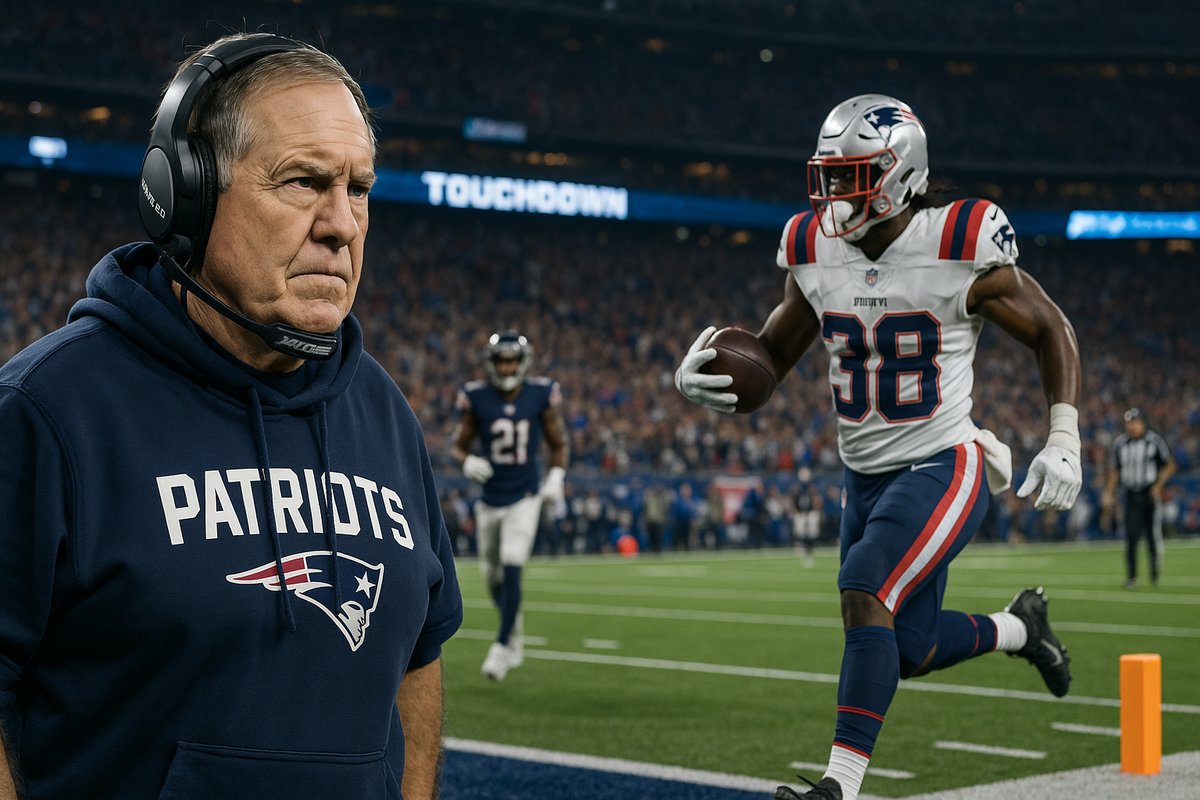
Bill Belichick’s run as Patriots head coach from 2000 through 2023 delivered a regular-season mark of 302-165—the most wins by any coach in NFL history—plus a 333-188 overall record when you fold in the playoffs. That haul includes six Super Bowl titles, nine appearances, and 17 division crowns, numbers that still set the bar for sustained franchise building under the salary cap. His defensive-minded schemes and roster-management wizardry turned New England into a dynasty while shaping how front offices everywhere now think about depth, versatility, and situational football.
Early on, Belichick cut his teeth as a special assistant with the Baltimore Colts in 1975, then moved through Detroit, Denver, and the Giants, where he helped Bill Parcells craft the championship defenses of 1986 and 1990. The Cleveland Browns stint from 1991 produced a 36-44 record but showcased his early appetite for complex zone-blitz packages and special-teams emphasis. After a stop with the Jets, he landed in New England and immediately shifted a franchise that had been playoff-starved.
What the front office is really thinking here is how Belichick stretched every dollar: he routinely traded high draft picks for clusters of mid-round selections, stocking the roster with contributors who never needed big contracts but still produced on special teams and in backup roles. That approach kept the cap flexible enough to retain core pieces around Tom Brady for two decades. His willingness to shed aging veterans—even Pro Bowlers—before they declined kept the roster perpetually fresh. Names like Wes Welker, Logan Mankins, and Darrelle Revis were dealt away not out of necessity but as calculated moves to extract value and reset the financial structure around remaining cornerstone talent.
From a fantasy perspective, Belichick’s system rewarded players who fit specific roles rather than chasing star power—think the 12 first-team All-Pros he developed through scheme fit. Running backs and tight ends in his play-action-heavy, motion-filled offense often posted spike weeks even without eye-popping individual stats, while defensive options in those “Belichick zones” with pattern-matching rules frequently delivered in IDP formats by limiting explosive plays. His teams held opponents under 20 points in more than 40 percent of regular-season games during the peak years, a number that directly translated to favorable fantasy matchups for opposing skill players when the schedule lined up right.
The defensive philosophy that made New England legendary centered on adaptive schemes that confused opposing quarterbacks. Rather than rushing five defensive linemen predictably, Belichick’s defenses relied on disguises—showing one look pre-snap, then shifting into another post-snap. Safeties lined up at linebacker depth before dropping into coverage. Cornerbacks played different techniques depending on formation. This constant shell-game approach forced quarterbacks into check-downs and prevented the big-yardage plays that sink defenses in crucial moments. The zone-blitz concepts Belichick imported from his time in Denver became the template every NFL defensive coordinator now studies, whether they admit it or not.
Special teams represented another Belichick obsession that separated New England from competitors. Punter turnover, kickoff coverage units, and situational personnel decisions were dissected with the same intensity as first-team offense. The Patriots’ special-teams efficiency consistently ranked in the top five league-wide, which over 17 seasons compounded into dozens of wins that might otherwise have gone the other direction. Coaches throughout the league took notice; teams now dedicate significantly more resources to special-teams coaching than they did in 2000, a direct result of seeing Belichick’s competitive advantages pile up in that phase of the game.
Key benchmarks from the era include a 32-11 playoff record—the best postseason mark ever—22 Pro Bowl selections, 12 first-team All-Pro designees, three MVPs coached, and the lowest points-allowed average among active coaches from 2000-2019. Even in the later transition years, the emphasis on multiple fronts (switching 3-4 and 4-3 looks within games) and exhaustive opponent-specific prep remained the blueprint other franchises still chase when trying to build sustained contention.
Belichick’s relationship with Tom Brady became perhaps the most studied coach-quarterback partnership in sports history. Rather than a hierarchical dynamic, the two evolved into collaborative partners who dissected tape together, debated play-calling on the sidelines, and adjusted schemes to Brady’s evolving arm talent and decision-making. Brady credited Belichick for teaching him how to read defenses at a higher level; Belichick benefited from having a quarterback intelligent enough to execute nuanced adjustments. The fact that this pairing thrived for 20 years through rule changes, player turnover, and salary-cap constraints remains virtually unprecedented in professional football.
The 2007 season stands as perhaps Belichick’s most dominant coaching performance, when the Patriots finished 16-0 in the regular season with an offense that averaged 36.8 points per game—a pace that would have broken the modern scoring record handily. Tight end Rob Gronkowski and wide receiver Randy Moss helped propel that unit, but the offensive design itself—heavy motion, multiple eligible receivers, play-action dialed up perfectly—was pure Belichick chess mastery. The subsequent Super Bowl XLII loss to the Giants on a last-second play actually provides more insight into Belichick’s adaptability; he immediately pivoted away from pass-heavy schemes after recognizing defensive vulnerabilities, a flexibility that belies the perception of him as a defensive extremist.
Later in his tenure, Belichick proved his system’s durability even without Brady, as the 2020 season saw Cam Newton’s Patriots finish 7-9 despite missing the star quarterback. More impressively, the 2022 squad posted a 10-7 record with Mac Jones, demonstrating that the organizational infrastructure itself—draft talent identification, scheme optimization, opponent preparation—transcended any single player. This longevity and adaptability separate Belichick from coaches who rode generational talent to success; his framework functioned across multiple eras and personnel configurations.
Belichick’s attention to detail extended into film study and analytics before those terms became mainstream coaching vernacular. Defensive coordinators working for him often described film sessions lasting 4+ hours, with Belichick isolating single offensive linemen across multiple games to identify hand placement tendencies or weight distribution patterns that indicated play direction. This granular approach trickled down through his entire staff, creating a culture where mediocre effort stood out immediately. Players either committed fully to understanding the system’s complexity or found themselves on special teams or the bench—there was no middle ground.