
Patrick Mahomes Playing Style Analysis
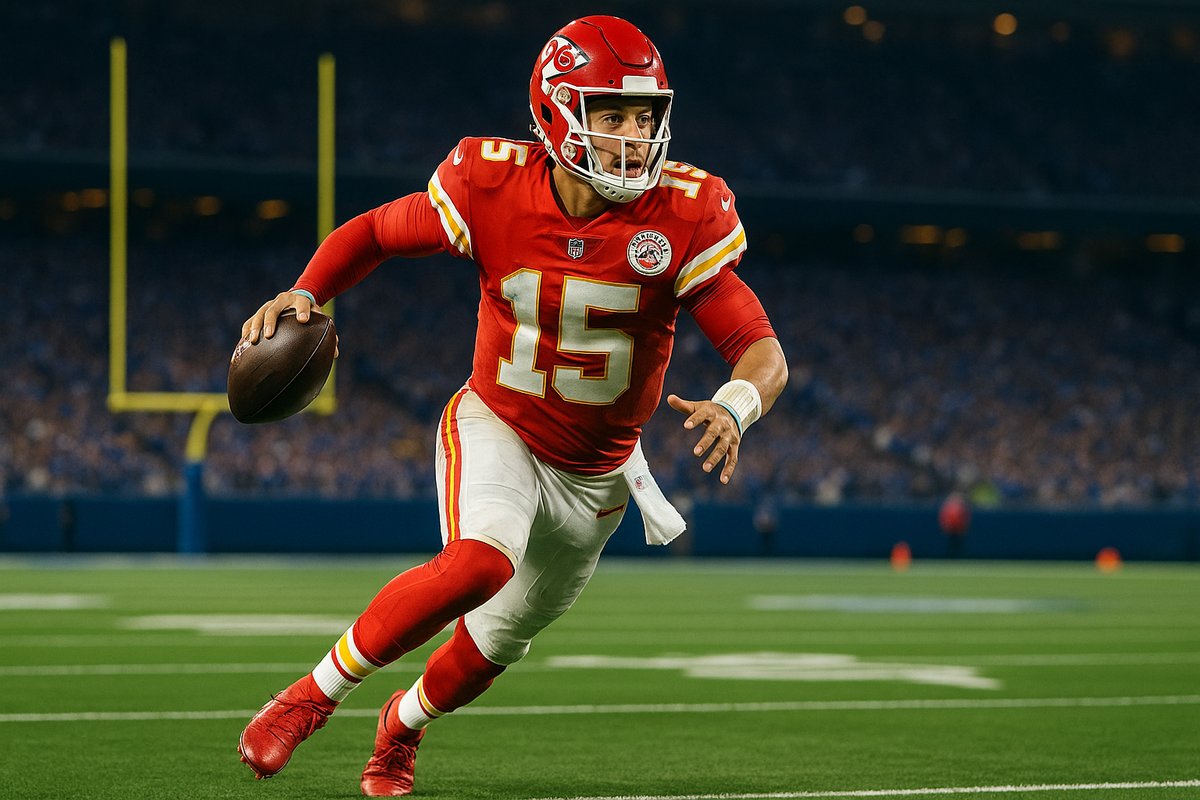
Patrick Mahomes has flipped the script on what a quarterback can do in this league, and when you’ve lined up in a defensive scheme trying to contain that kind of arm talent and improvisational ability, you understand exactly how he keeps defenses on their heels from snap to whistle. His game blends elite processing with the kind of off-schedule creativity that forces linebackers and safeties to abandon their responsibilities.
Coming out of Texas Tech, Mahomes already showed the high-volume passing and quick-twitch decision-making that made scouts take notice. Drafted tenth overall in 2017, he sat behind Alex Smith his rookie year, then stepped in and started reshaping Andy Reid’s offense with pre-snap motion, RPO elements, and that signature ability to throw from anywhere. I’ve studied enough film to know those no-look passes and sidearm deliveries aren’t just highlights—they’re calculated responses to collapsing pockets and disguised coverages.
Over time he tightened his mechanics for those jump throws and subtle flips while keeping his eyes downfield, something that directly fueled the Chiefs’ back-to-back Super Bowl runs. Defenses like the 49ers and Eagles threw everything at him, yet his mobility and quick recognition of linebacker tendencies let him extend plays and hit secondary options like Travis Kelce or the speed guys on the perimeter.
What separates him is the unorthodox angles. On third downs he slips sidearm or underhand windows that most quarterbacks never attempt, pairing it with elite footwork to escape pressure while scanning for the next layer. His pre-snap reads let him audible protections and shift the Chiefs’ motion-heavy attack into favorable matchups, pulling linebackers and safeties out of position. When gap discipline breaks down even slightly, Mahomes exploits it for chunk plays and red-zone efficiency that shows up on the stat sheet every postseason.
That style has turned Kansas City into a perennial contender built on tempo and versatility rather than straight dropbacks. Designed rollouts and occasional designed runs keep the offensive line clean and minimize negative plays, a big reason they’ve collected multiple AFC titles. Younger players feed off his intensity in practice, especially the situational focus that translates to game-winning drives.
In Super Bowl LIV he threw for 286 yards and two scores in the comeback, then repeated the heroics in LVII. Across his career he’s cleared 25,000 passing yards at better than 65 percent completion, hit 200-plus touchdowns before turning 28, posted that historic 50-total-touchdown 2018 campaign for unanimous MVP honors, and leads the league in game-winning drives since then. His 2022 regular season topped out at 5,250 yards, he holds a playoff passer rating above 100, and his scrambling totals exceed 1,500 yards—rare dual-threat production for a franchise quarterback. The Chiefs’ offense has stayed top-five in output during his starts, backed by multiple Pro Bowls and two rings.
Mahomes keeps defenses guessing because his physical tools, mental speed, and adaptability force constant adjustments in coverage schemes. Future opponents will keep evolving their approaches, but his ability to elevate everyone around him remains the constant that defines modern quarterback play.
One of the most underrated aspects of Mahomes’ game is his ability to process information in real time while maintaining pocket awareness. Unlike many young quarterbacks who rely solely on primary progressions, Mahomes naturally gravitates toward secondary and tertiary options when his first read isn’t open. This stems from his experience at Texas Tech, where the Red Raiders ran an air-raid offense that demanded constant decision-making and route tree complexity. That foundation allowed him to develop an almost instinctive sense of where help can come from downfield, even when the pocket collapses unexpectedly.
His arm talent is generational in scope. Beyond the famous sidearm and underhand throws, Mahomes demonstrates the ability to fit balls into tight windows with a flick of the wrist, often from platforms that would make traditional mechanics coaches cringe. Yet what makes this truly elite is the consistency—he doesn’t just improvise for highlight reels. Film study reveals that even his most creative throws are calculated based on coverage recognition and receiver spacing. Against two-high safety looks, for instance, he’ll isolate receivers in the slot with precision placement that leaves defensive backs no chance for underneath help.
The Chiefs’ offensive system has evolved significantly around Mahomes’ skill set. Andy Reid’s play-calling now incorporates more horizontal spacing and stack formations designed to create throwing windows on the move. Motion is deployed not just for misdirection but to create soft spots in zone coverage, which Mahomes immediately recognizes and attacks. The addition of skill position talent like JuJu Smith-Schuster and continued reliance on Travis Kelce creates multiple read options that work in concert with Mahomes’ improvisational nature rather than constraining it.
Defensively, teams have had to adapt their pressure packages specifically to account for Mahomes’ ability to extend plays outside the pocket. Traditional pass-rushing strategies become less effective when a quarterback can hold the ball for five or six seconds while rolling away from pursuit. This has forced defensive coordinators to dial up more exotic blitz packages and coverage schemes—sometimes at the expense of run defense. The Eagles’ Super Bowl LVII defensive approach of bringing consistent pressure while maintaining high safeties was arguably one of the most coherent attempts to neutralize him, yet Mahomes still managed crucial third-down conversions through scrambling and tight-window throws.
His competitive demeanor in high-pressure moments cannot be overstated. Mahomes thrives in playoff scenarios where the margin for error narrows. His two Super Bowl victories came against veteran-laden defenses that had game-planned extensively. In both instances, he made critical plays when it mattered most—whether hitting Damien Williams on a checkdown in the flat during Super Bowl LIV or orchestrating the overtime drive in Super Bowl LVII. Teammates consistently cite his calm demeanor in the huddle as contagious, allowing receivers to execute routes with confidence even when plays break down.
The evolution of his mechanics deserves particular attention. Early in his career, Mahomes’ footwork was occasionally erratic, leading to some inaccurate throws from unconventional arm angles. Through dedicated work with quarterbacks coach Tom Clements, he’s developed the ability to generate velocity and accuracy from multiple platforms without sacrificing the creative elements that make him special. This refinement has reduced interceptions per attempt while maintaining the explosive play frequency that characterizes his offense.
Looking forward, Mahomes’ sustainability depends on maintaining his lower-body explosiveness and durability. While his high-movement style keeps defenses off-balance, it also exposes him to more contact than traditional pocket passers receive. The Chiefs’ commitment to protecting him with offensive line investments and Reid’s scheme design that minimizes negative plays becomes increasingly important as Mahomes moves into his thirties.
His influence on quarterback development across the league cannot be understated either. Young quarterbacks now understand that creative arm talent and improvisational ability can be legitimate components of a franchise quarterback’s toolkit rather than hindrances to overcome. This shift in evaluation has rippled through draft strategy and player development, creating a new generation of more versatile signal-callers.