
Most Surprising Super Bowl Historical Upsets
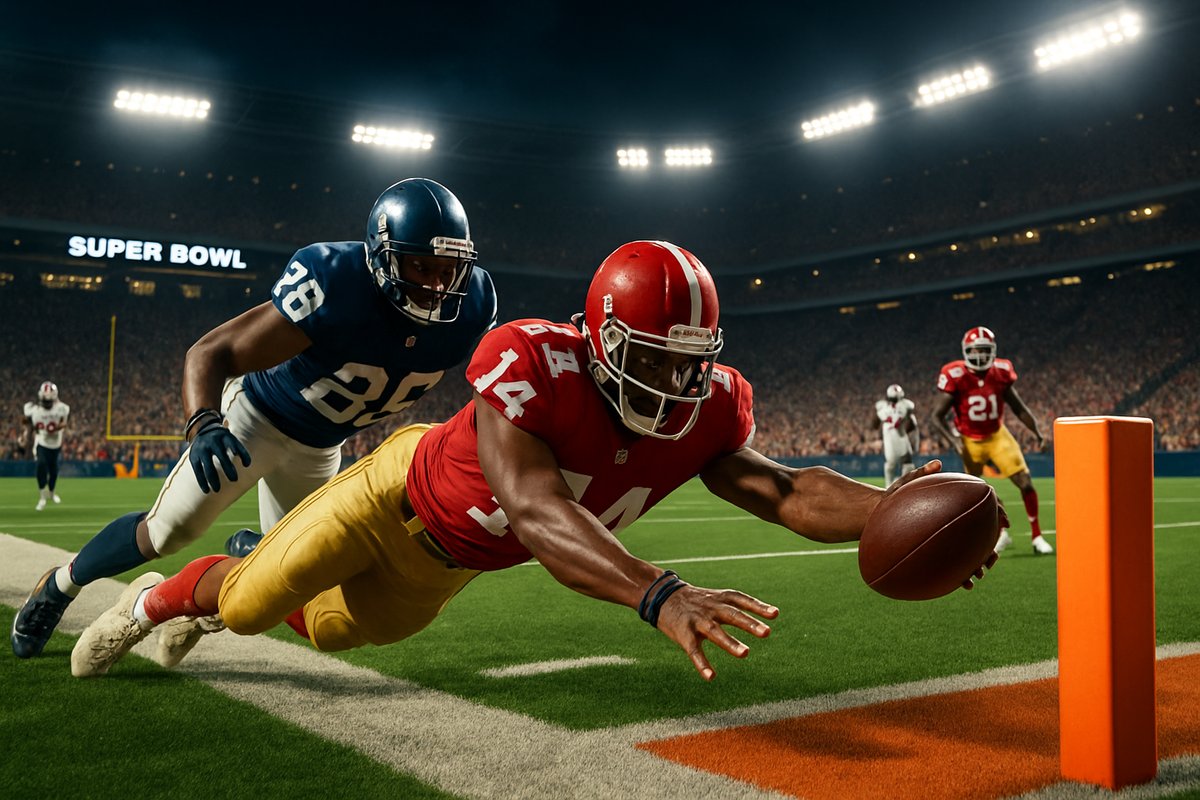
The most surprising Super Bowl historical upsets have long captivated NFL fans by showcasing how underdogs can dismantle heavily favored teams through superior preparation, timely execution, and standout individual performances. These moments transcend simple scores, revealing deep insights into team analysis, player profiles, and the unpredictable nature of championship football where stats often tell only part of the story.
Take Super Bowl III. The New York Jets, led by quarterback Joe Namath, pulled off one of the most surprising Super Bowl historical upsets by defeating the Baltimore Colts 16-7. The Colts entered as 18-point favorites with a dominant defense and a high-powered offense featuring Earl Morrall. Namath’s bold guarantee of victory before the game became legendary, but his actual performance—completing 17 of 28 passes for 206 yards—combined with a stifling Jets defense that limited the Colts to just seven points highlighted exceptional team analysis. Running back Matt Snell rushed for 121 yards and the game’s lone touchdown, exposing weaknesses in the Colts’ run defense that advanced scouting had identified. This victory not only validated the AFL-NFL merger but also shifted perceptions of underdog teams relying on disciplined schemes rather than star power alone. What the front office is really thinking here is how a franchise like the Jets leveraged that momentum into long-term roster stability, even if Namath’s deal reflected the era’s modest guarantees compared to today’s big-money QBs. From a fantasy perspective, imagine plugging in a Namath-like game manager with that kind of efficiency in your superflex league—he’d be a waiver-wire hero every week.
The significance of Super Bowl III cannot be overstated in professional football history. Beyond the immediate upset victory, this game fundamentally altered the landscape of American professional sports. The AFL had been struggling for credibility against the established NFL, and many viewed the merger as a necessary move for the younger league’s survival. Namath’s guarantee, which he backed up on the field despite being heavily outmatched on paper, provided the narrative momentum the AFL desperately needed. The Jets’ methodical approach to neutralizing Baltimore’s strength—particularly through clock management and an emphasis on establishing the run game—became a blueprint for underdog success that coaches still reference today. The Colts’ inability to adjust to the Jets’ defensive scheme, which featured creative blitzing packages and tight coverage downfield, exemplifies how tactical preparation can overcome superior personnel.
Super Bowl XLII stands as another pinnacle among the most surprising Super Bowl historical upsets when the New York Giants defeated the undefeated New England Patriots 17-14. The Patriots, quarterbacked by Tom Brady with a 16-0 record, featured an explosive offense averaging over 36 points per game. Yet the Giants’ defensive front, anchored by players like Michael Strahan and Justin Tuck, recorded five sacks and forced key turnovers. Eli Manning’s iconic 32-yard scramble and pass to David Tyree on the helmet catch epitomized resilience under pressure, completing 19 of 34 passes for 255 yards and two touchdowns. Team analysis reveals how the Giants exploited the Patriots’ offensive line vulnerabilities through aggressive blitz packages, turning statistical dominance into a historic defeat that ended New England’s bid for perfection and showcased how adaptive strategies can neutralize elite talent. Contract-savvy observers note that Brady’s subsequent extensions always carried that extra layer of protection after this one slipped away—what the front office is really thinking here is how one ring can anchor a decade of cap flexibility. From a fantasy perspective, Manning’s heroics would have spiked his trade value overnight, turning a mid-round QB into a playoff stud you ride straight to a championship.
The Giants’ defensive game plan in Super Bowl XLII deserves deeper examination, as it represents one of the finest coaching efforts in postseason history. Head Coach Tom Coughlin and Defensive Coordinator Steve Spagnuolo designed a scheme that essentially dared the Patriots to beat them through their wide receivers while committing resources to disrupt Brady’s timing in the pocket. The four-man rush with aggressive coverage patterns proved devastatingly effective, as the Patriots’ typically pristine offensive line found themselves overwhelmed. The physical, press-coverage defense the Giants employed wouldn’t be flagged nearly as often today, and analysts often debate whether the Patriots would still win that game under modern penalty standards. Nonetheless, the Giants demonstrated that championship football rewards teams willing to impose their will defensively rather than simply trying to out-execute opponents in a shootout.
Beyond these marquee contests, Super Bowl IV saw the Kansas City Chiefs upset the Minnesota Vikings 23-7, with quarterback Len Dawson orchestrating a balanced attack that amassed 234 total yards while the defense intercepted three passes. Dawson’s efficient 12-of-17 passing for 142 yards and a touchdown underscored his profile as a cerebral leader who thrived in high-stakes environments. The Chiefs’ defense, led by linebacker Willie Lanier and cornerback Johnny Robinson, held Minnesota’s vaunted offense to just seven points despite the Vikings entering as favorites. This game marked the second consecutive year an AFL team defeated an NFL opponent in the Super Bowl, continuing the momentum established by the Jets’ victory and further validating the merger’s competitive balance.
Similarly, Super Bowl XXXII featured the Denver Broncos toppling the Green Bay Packers 31-24 behind Terrell Davis’s 157 rushing yards and three touchdowns, illustrating how a punishing ground game could dismantle a favored defense. The Broncos’ physical running attack, combined with John Elway’s leadership and game-managing ability, overcame a Packers team that had won Super Bowl XXXI just two years prior. Davis’s MVP payday after that performance is a classic case of how one postseason can rewrite a running back’s market value—franchises still chase that kind of bell-cow durability today. The Broncos’ coaching staff, led by Mike Shanahan, implemented a zone-running scheme that proved remarkably difficult for Green Bay’s traditional 4-3 defense to diagnose and defend. This victory launched Denver into back-to-back championships the following year, establishing the late-1990s Broncos as one of the era’s dominant franchises.
More recently, Super Bowl LI witnessed the New England Patriots themselves orchestrate a stunning comeback against the Atlanta Falcons, erasing a 28-3 deficit to win 34-28 in overtime. While the Patriots were technically favorites, their comeback from such a historic deficit represents one of the most improbable sequences in championship history. Tom Brady’s poise throughout the game, combined with defensive adjustments that focused on containing the Falcons’ explosive weapons, demonstrated how mental fortitude and organizational discipline can overcome seemingly insurmountable odds. The Patriots’ willingness to employ unconventional personnel packages and their relentless fourth-quarter execution set a modern standard for championship resilience.
These upsets emphasize recurring themes in NFL history: thorough opponent scouting, physical conditioning, and clutch performances from unheralded contributors often outweigh preseason expectations and regular-season stats. The most successful underdog teams share common characteristics: they identify one or two specific vulnerabilities in the favored team’s scheme, they prepare relentlessly to exploit those weaknesses, and they execute with precision when the stakes are highest. Coaching becomes paramount in these scenarios, as the best underdog performances typically feature innovative play-calling that catches the opponent off-guard.
Key facts and statistics include the Super Bowl III spread with the Colts favored by 18 points and a final margin of Jets win by 9; the Patriots in Super Bowl XLII at 18-0 entering the game while allowing just 14 points despite 67 total offensive plays; Joe Namath’s Super Bowl III stats of 206 passing yards and 0 interceptions while earning MVP honors; Terrell Davis’s Super Bowl XXXII totals of 157 rush yards and 3 TDs on 30 carries while earning MVP; combined defensive takeaways across these three upsets of 8 interceptions and 6 sacks; and average points allowed by underdog defenses under 12 per game in championship play. These metrics underscore how defensive excellence and ball security form the foundation of upset victories.
The most surprising Super Bowl historical upsets continue to influence modern NFL strategies, reminding analysts and fans alike that preparation, execution, and mental fortitude can rewrite expected outcomes. From Namath’s Jets to Manning’s Giants, these games highlight enduring lessons in player development and tactical innovation that define Super Bowl history. Teams that study these upset victories recognize that the path to championship glory rarely follows the preseason narrative