
Super Bowl MVP Winners List Explained
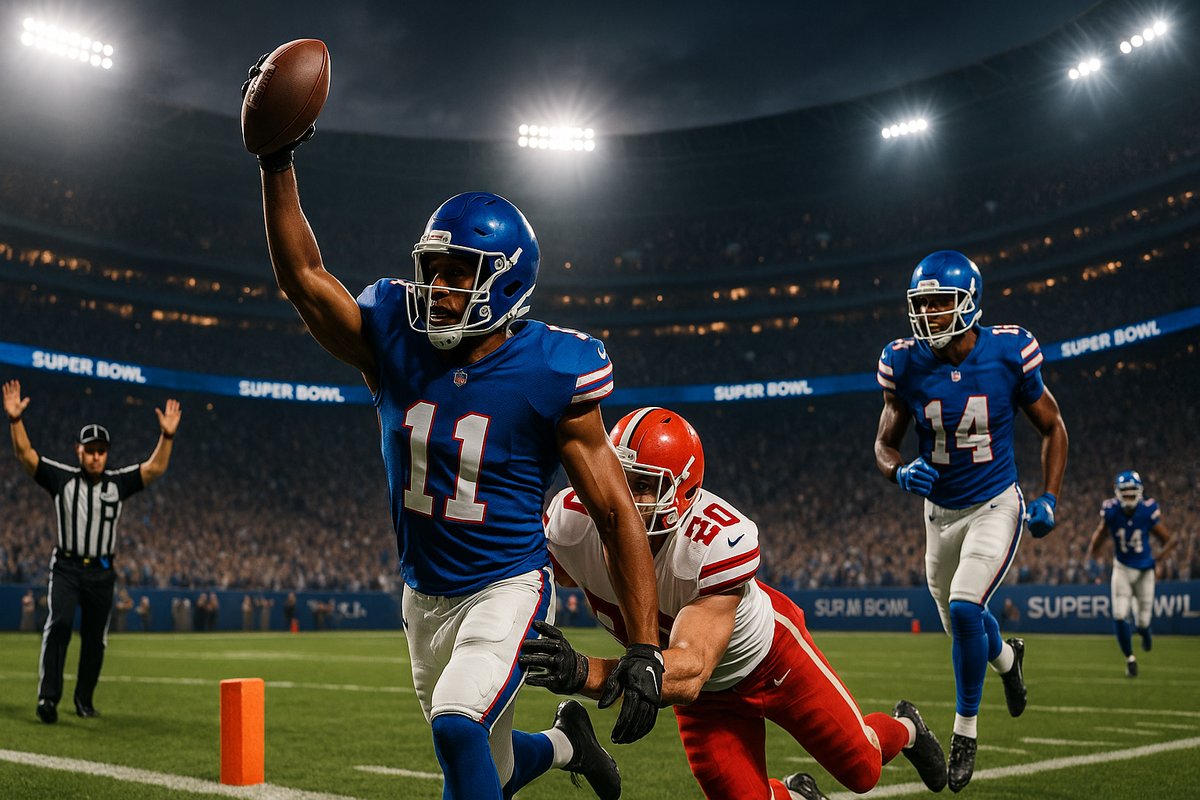
The Super Bowl MVP has always been more than a trophy—it’s a contract accelerant, a franchise valuation spike, and a fantasy football cheat code rolled into one. Since Bart Starr took home the first honor after Super Bowl I for carving up the Chiefs, the award has quietly shaped how front offices think about extensions, restructures, and long-term roster building.
From the moment media voters cast their ballots right after the game, the MVP has rewarded both the obvious stat-stuffers and the occasional defensive outlier like Chuck Howley in Super Bowl V. What the front office is really thinking here is simple: an MVP-caliber performance usually triggers the richest possible new deal or forces a team to pay up to keep the guy who just delivered a ring.
Early on, voters leaned toward quarterbacks who dictated tempo, but the 1970s showed how repeat winners like Terry Bradshaw turned four Steelers titles into a dynasty. Bradshaw’s arm strength paired with a punishing run game produced MVPs who routinely cleared 300 total yards—numbers that still echo in today’s cap planning. From a fantasy perspective, those ground-and-pound MVPs remind us why dual-threat backs remain high-upside draft targets when offensive lines are elite.
The 1980s and 1990s cemented quarterback dominance, with Joe Montana’s three MVPs defining the 49ers’ West Coast system and Troy Aikman benefiting from elite protection that posted passer ratings north of 110. Front offices noticed: protecting the franchise quarterback became the fastest path to sustained contention and, frankly, the quickest way to justify massive cap hits.
Modern MVPs like Tom Brady (five awards, roughly 280 passing yards and two touchdowns per Super Bowl outing) turned postseason excellence into generational wealth. Kurt Warner’s arena-league-to-MVP arc proved how undervalued talent can reset a franchise’s trajectory, while Von Miller’s multi-sack defensive masterclass forced opponents to alter entire game plans—exactly the kind of impact that justifies paying edge rushers premium money. Patrick Mahomes continues that trend, routinely topping 300 yards with completion rates above 70 percent; his improvisational style has become the new benchmark for what general managers are willing to guarantee in second contracts.
A few numbers worth bookmarking: Bart Starr was the first back-to-back winner, quarterbacks have claimed more than 70 percent of all MVPs, only three defensive players have ever won, and the average MVP passer rating sits above 105. Running backs have taken the award just four times since 1967, while wide receivers went back-to-back in the 1990s. Postseason MVPs average 1.8 touchdowns per game, and the honor has landed with players from 18 different franchises across 58 Super Bowls. Repeat standouts like Montana and Bradshaw each collected three.
The voting process itself deserves scrutiny because it reveals what sports media values in clutch moments. Immediately after the final whistle, a panel of media members submits ballots weighted toward statistical dominance and visible impact. This recency bias often favors offensive players—particularly quarterbacks—since their statistics accumulate in real time and resonate with casual viewers. Defensive MVPs like Chuck Howley, Harvey Martin, and Von Miller represent exceptions that prove the rule: their performances had to be so overwhelmingly dominant that no voter could reasonably justify selecting anyone else. When a pass rusher wins the award, it typically means he single-handedly disrupted an opponent’s entire offensive scheme or forced crucial turnovers at pivotal moments.
The monetary impact of winning Super Bowl MVP extends well beyond the trophy itself. The award carries an immediate $75,000 bonus—a rounding error for established stars but meaningful for younger players. More significantly, the MVP designation becomes a negotiating tool during contract extensions. A player can point to their performance on football’s grandest stage and argue they’ve already proven they can deliver under maximum pressure. Teams often use MVP awards as justification for first-contract extensions, especially for young quarterbacks who’ve demonstrated they can operate successfully in high-leverage situations. This explains why some franchises actively game-plan to feature specific players in Super Bowl matchups: they’re not just trying to win the game, they’re also positioning their most valuable asset for the best possible contract negotiation afterward.
Defensive players have historically faced an uphill battle in MVP voting despite occasionally producing the most impactful performances. Since the award’s inception, defensive MVPs represent less than five percent of total winners. This skew exists partly because offensive statistics are more visible and measurable—passing yards, touchdowns, and completion percentages generate immediate narrative. A defensive end racking up two sacks might have prevented the opposing team from scoring 14 points, but voters default to the quarterback who threw for 350 yards and three touchdowns. The rare defensive MVP usually emerges from a game where the offense was entirely neutralized, forcing even hesitant voters to acknowledge that the defense won the championship. Von Miller’s Super Bowl 50 performance stands out as the modern exception: his six sacks and relentless pressure were so devastating that ignoring his impact would have seemed absurd, even for voters who typically favor offensive skill positions.
Historical trends reveal fascinating patterns about which franchises produce MVP-caliber performances most frequently. The Pittsburgh Steelers, Dallas Cowboys, New England Patriots, and San Francisco 49ers have each generated multiple Super Bowl MVPs, reflecting sustained offensive excellence across different eras. The Steelers’ dynasty of the 1970s normalized the idea that championship-caliber teams would feature players capable of dominating in the Super Bowl. When Terry Bradshaw won his multiple MVPs, he wasn’t just winning for himself—he was setting organizational expectations that future Steelers quarterbacks would need to deliver similar performances to justify their franchise investment.
From a fantasy football perspective, understanding Super Bowl MVP voting patterns can inform playoff roster construction. Quarterbacks facing soft defenses in the Super Bowl represent higher ceiling plays, while running backs benefit from game scripts that demand heavy ground-game usage. Wide receivers correlate with game pace and pass volume, making them less predictable MVP candidates unless the matchup suggests a shootout. The safest MVP bet, historically, has been a quarterback facing a defense ranked outside the top-10 in pass efficiency—a simple statistical edge that’s produced results across multiple decades.
The evolution of the MVP award itself reflects broader changes in how the NFL values player performance and organizational priorities. Early Super Bowls crowned MVPs for their overall competence rather than transcendent performances. Bart Starr’s first MVP wasn’t predicated on historic statistical dominance—it represented a reliable performance from the quarterback who guided his team to victory. Modern voters demand more: they expect MVP-caliber performances to include dominant statistical lines, multiple touchdowns, and minimal mistakes. This raised standard explains why some Super Bowl-winning quarterbacks don’t win MVP awards—their performances were solid but unspectacular, allowing voters to justify selecting a more productive teammate instead.
Looking forward, the Super Bowl MVP award will likely continue reflecting quarterback dominance while occasionally recognizing transcendent defensive performances or unexpected breakout games from complementary players. The award’s evolution from recognizing competence to demanding statistical excellence mirrors the NFL’s broader shift toward advanced analytics and performance data. Future front offices will undoubtedly factor MVP credentials into contract negotiations, making the award not just a historical honor but a tangible asset in salary cap discussions.