
Evolution of NFL Offensive Schemes Explained
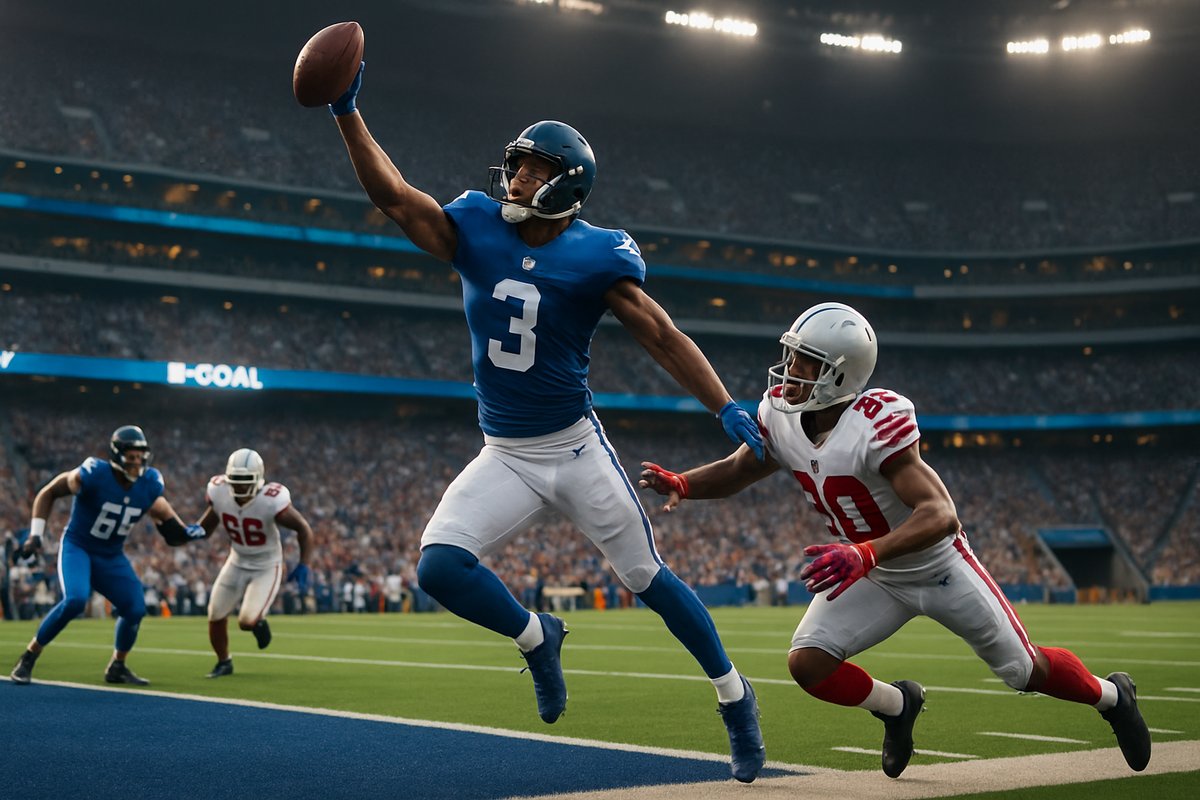
Man, when you’ve lined up in a defensive scheme against some of these evolving offenses, you understand how much the game has shifted from those early days of power football to the spread-out attacks we see now. I’ve studied enough film to know the league moved from basic run-heavy sets that pounded between the tackles to sophisticated passing systems built on timing and space, all while coaches adapted to rule changes and the athletic freaks coming out of college.
Back in the league’s early years through the 1940s and 1950s, schemes revolved around the single-wing, leaning on power runs and misdirection with guys like Red Grange. That gave way to the T-formation that George Halas brought to the Chicago Bears, putting the quarterback under center and creating more balanced attacks. Rushing attempts far outnumbered passes back then, and players like Jim Brown embodied that bruising ground-and-pound style in Cleveland. When you’ve lined up against schemes like Vince Lombardi’s Packers in the 1960s, you saw how they won multiple championships through disciplined execution and limited passing volume, with quarterbacks like Bart Starr prioritizing ball control and field position over deep shots.
The 1960s represented a fascinating inflection point in offensive evolution. The Packers’ success under Lombardi showcased the power of simplicity and execution—they ran the famous “Packer Sweep” repeatedly, yet defenses couldn’t stop it because of superior blocking schemes and precision. Lombardi understood that three or four plays executed to perfection could beat ten plays executed adequately. This philosophy dominated the era, with teams like the Dallas Cowboys and Green Bay Packers winning championships through ground control and play-action passes that caught defenses off-balance. The forward pass was still viewed somewhat as a luxury rather than a necessity, and many coaches believed that controlling the clock through the running game was the path to championships.
By the 1970s and 1980s, things accelerated with Bill Walsh’s West Coast offense, which used short, precise passes to control the clock and spring big plays. The 49ers ran this with Joe Montana and Jerry Rice, mixing timing routes and play-action that forced defenses to respect every inch of the field. Completion percentages and yards per attempt jumped, helping fuel those Super Bowl wins. At the same time, the Run and Shoot spread things out with four-wide looks, letting quarterbacks like Warren Moon rack up numbers by attacking stacked boxes. I’ve studied enough film to know how these countered defensive fronts, boosting third-down success through quick releases rather than straight power. Coaches like Sid Gillman pushed vertical threats that set the stage for later eras.
Walsh’s innovation fundamentally changed how NFL teams viewed quarterback play and receiver usage. Rather than waiting for receivers to run downfield, the West Coast offense utilized the quarterback as a precision passer hitting checkdowns and intermediate routes in rhythm. This created what’s known as “horizontal” spacing—spreading the field laterally to create throwing lanes and reduce pressure from pass rushers. The system emphasized ball security, with short passes functioning almost like extension of the running game. Players like Jerry Rice thrived in this environment, amassing reception totals that seemed impossible under older offensive philosophies. The West Coast’s emphasis on timing and footwork became gospel for coaching clinics throughout the 1980s and 1990s.
The Run and Shoot, pioneered by coaches like Mouse Davis and later popularized by Houston Oilers coordinator Jerry Glanville in the late 1980s and early 1990s, took a completely different philosophical approach. While Walsh compressed the field vertically, the Run and Shoot stretched it horizontally with four or five eligible receivers consistently in space. Warren Moon’s tenure with the Oilers saw record-setting passing statistics as the scheme forced defenses to choose between covering receivers or stopping the run. The flexibility of the system allowed motion and shifts that kept defensive coordinators scrambling. However, the Run and Shoot’s reliance on quarterback improvisation made it less sustainable than the more structured West Coast approach, and it eventually faded from prominence.
Stepping into the 2000s and beyond, spread formations, Air Raid ideas, and zone-read concepts from college took over. Coaches like Sean McVay with the Rams and Kyle Shanahan turned outside-zone schemes into weapons that create space for playmakers such as Christian McCaffrey and Cooper Kupp, producing record passing stats and Super Bowl runs. Analytics now drive personnel groupings, with 11-personnel packages lifting points per game league-wide. The Patriots under Bill Belichick blended West Coast roots with no-huddle tempo to confuse defenses, while dual-threat quarterbacks like Patrick Mahomes have redefined efficiency in Kansas City’s system through yards after catch and improvisational plays. Pre-snap motion and RPOs show up more because the data backs higher explosive play rates.
The zone-read concept, which originated in college football, represented perhaps the most significant tactical shift of the 2000s for NFL offenses. This concept uses the quarterback’s read of one defensive lineman to determine whether to hand off or pull the ball and attack the edge. When paired with athletic quarterbacks like Michael Vick or Lamar Jackson, zone-read created massive problems for traditional defensive approaches. The outside-zone blocking scheme, championed by Kyle Shanahan, proved particularly effective because it doesn’t attack upfield like power schemes—instead, it creates horizontal running lanes by having offensive linemen move laterally and seal defenders inside. This puts smaller, quicker running backs in space where they can make defenders miss, resulting in explosive run plays from seemingly modest yardage.
Sean McVay’s influence on modern NFL offenses cannot be overstated. When he took over the Rams in 2017, he brought a college-to-pro conversion approach that emphasized pre-snap motion, multiple offensive formations, and play-action passing built on outside-zone runs. His system proved devastatingly effective with Matthew Stafford and led to a Super Bowl LVI championship. McVay demonstrated that modern NFL teams could successfully cherry-pick the best elements from college football—where offensive innovation often outpaces the NFL—and implement them at the professional level. His success spawned imitators throughout the league, with teams now regularly employing multiple formations, heavy pre-snap motion, and creative personnel packages that would have been unthinkable two decades earlier.
The rise of analytics in football operations has profoundly affected offensive strategy. Teams now possess granular data on every conceivable situation: which personnel groupings maximize scoring efficiency, which down-and-distance situations favor run versus pass calls, and how specific formations impact defensive alignment. The emphasis on explosive plays—defined as gains of 10-plus yards—has driven many offensive decisions. Personnel departments have shifted toward selecting receivers with yards-after-catch ability and running backs with lateral agility. The traditional power back who could pick up tough yards between the tackles has become less valuable than the dual-threat back who can create space in the open field.
Passing attempts league-wide climbed from around 30 per team in the 1970s to over 35 recently. West Coast systems powered the 49ers’ five Super Bowl titles from 1981 to 1994 with strong completion numbers. Modern spreads have given us MVP quarterbacks posting passer ratings over 110 in recent title games. Rushing yards per game dropped while total offensive yards rose thanks to rules favoring the pass. Zone-blocking adds 15-20 percent more yards after contact than old power schemes. And Super Bowl passing touchdown records often come from those hybrid Air Raid-West Coast looks.
The rule changes of the 2000s and 2010s accelerated the shift toward passing offenses. The NFL’s emphasis on protecting quarterbacks through roughing-the-passer penalties made it increasingly difficult for defenses to disrupt aerial attacks. Similarly, restrictions on contact with receivers downfield opened passing windows that would have been contested under earlier rules. These regulatory changes, combined with the influx of elite quarterback talent and offensive innovation, have created an environment where 5,000-yard passing seasons have become relatively common and scoring records fall with regularity.
Looking at specific examples demonstrates how dramatically offensive philosophy has shifted. When the Kansas City Chiefs adopted Andy Reid’s system, they emphasized quick decision-making, diverse personnel packages, and quarterback-friendly designs that allow Patrick Mahomes to operate efficiently. The Chiefs’ offensive success relies on leveraging Mahomes’ exceptional arm talent and improvisation ability while maintaining structural integrity through Andy Reid’s play design. Their Super Bowl victories came through balancing aggressive play-action looks with efficient short and intermediate passing concepts that control games despite not necessarily leading in total yardage.
From those foundational power runs to today’s motion-heavy, stats-driven attacks, the changes keep defenses on their toes. Gap discipline