
Iconic Super Bowl MVP Performances Ranked
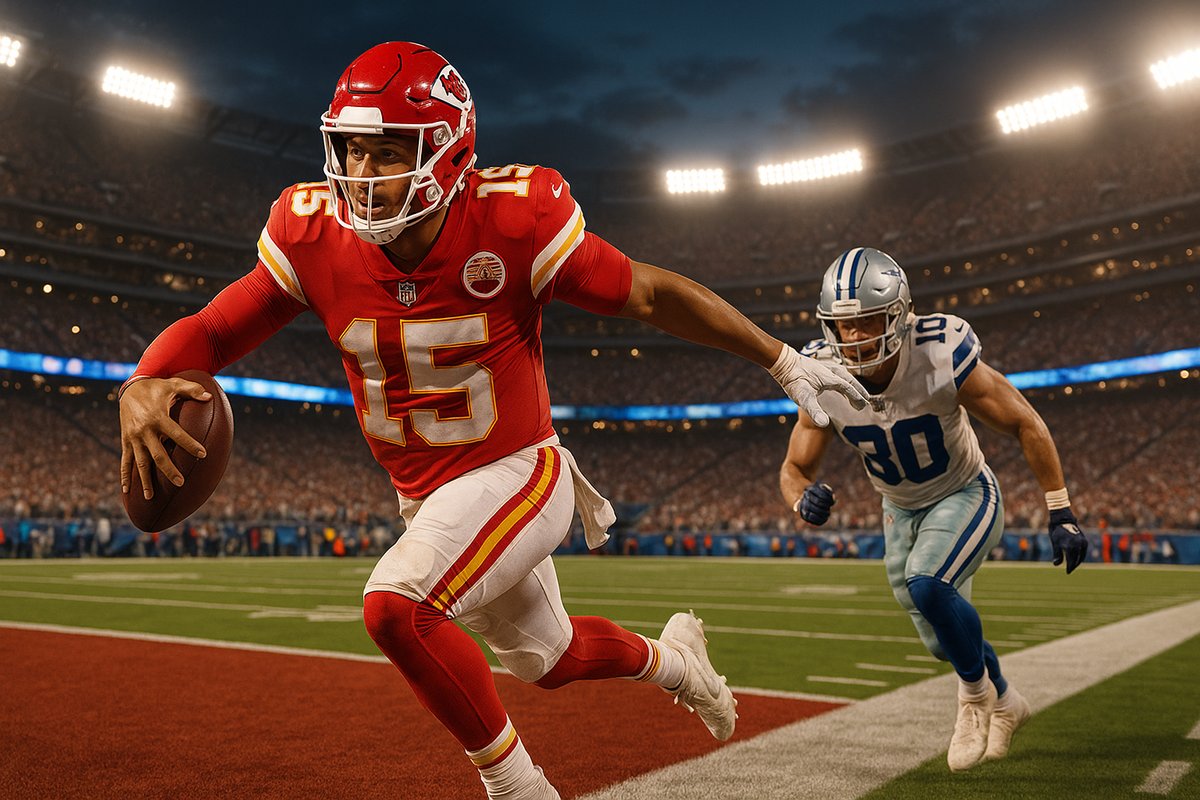
These Super Bowl MVP moments aren’t just highlight reels—they’re the ones that reshape how front offices value quarterbacks and edge rushers when it’s time to hand out the big money. From clutch comebacks to defensive chaos that forces turnovers at the worst possible moments for opponents, these performances have a way of locking in legacies and influencing the next round of contract negotiations across the league.
Evaluating what makes one stand out requires looking past the box score. You factor in the deficit, the opponent, and how the player’s output affects the supporting cast. Sustained excellence across multiple appearances, like what we’ve seen from certain legends with multiple rings, tends to raise the bar for everyone else. Defensive standouts get their due when they create short fields and momentum swings that directly impact scoring margins.
Historical eras matter too. Pre-2000 games came with fewer passing attempts, so efficiency carried heavier weight. Today’s spread concepts and protection rules push the yardage thresholds higher for a performance to feel truly iconic. Mixing in advanced metrics like QBR and expected points added gives a clearer picture of who truly moved the needle.
Ranking the top five starts with Kurt Warner’s Super Bowl XXXIV work for the Rams. He went 24 of 45 for 414 yards and two touchdowns, plus a rushing score, in the 23-16 win over the Titans. That deep-ball precision and pocket calm fueled the Greatest Show on Turf, and from a fantasy perspective, it showed how a veteran quarterback could still deliver massive playoff spikes even late in his career. What the front office was really thinking here was locking in a bridge to contention before free agency reshaped the roster.
Patrick Mahomes lands fourth for his Super Bowl LVII effort with the Chiefs. Despite the sprained ankle, he threw for 182 yards and two scores while rushing for 66 more in the 38-35 thriller against the Eagles. His improvisational dual-threat style has already influenced how teams structure rookie deals for mobile passers, knowing one transcendent postseason can accelerate the timeline for a max extension. From a fantasy angle, it underscored the value of stacking dual-threat quarterbacks who can salvage weeks even when the offensive line struggles.
Joe Montana takes third with his Super Bowl XXIV dismantling of the Broncos. He finished 22 of 29 for 297 yards and five touchdowns in the 55-10 rout. That quick-release timing and anticipation became the blueprint for West Coast systems still being installed today, and it helped cement why certain franchises prioritize precision over raw arm talent when extending franchise quarterbacks.
Von Miller’s defensive showcase in Super Bowl 50 ranks second. He posted six tackles, 2.5 sacks, and two forced fumbles in the 24-10 win over the Panthers. His pressure packages directly created 14 points off short fields, and teams have since adjusted how they build edge depth in drafts and extensions, knowing one disruptive force can mask secondary weaknesses. Fantasy managers learned to monitor situational pass-rush specialists more closely in playoff formats after this one.
Tom Brady’s Super Bowl LI performance sits at the top. Down 28-3, he went 43 of 62 for 466 yards and two touchdowns, engineering the biggest comeback in Super Bowl history against the Falcons. Those 62 attempts set the single-game record, and the overtime drive sealed his reputation as the ultimate big-game operator. Front offices still reference this when debating whether to pay aging veterans—the contract implications are obvious when one player can reset an entire franchise window.
The psychological dimension of these performances deserves deeper examination. When Brady engineered that 28-point comeback, he wasn’t just throwing the ball—he was managing game tempo, limiting incompletions to preserve clock, and executing two-minute drills under maximum pressure. Coaches now use his Super Bowl LI film to teach situational football, particularly how to avoid three-and-outs when trailing and how to maximize every snap’s efficiency. The Falcons’ prevent defense actually helped facilitate the comeback, but Brady’s ruthless execution of short and intermediate routes turned a strategic vulnerability into a fatal flaw for Atlanta.
Montana’s performance in Super Bowl XXIV showcased a different era of quarterback dominance. Playing in conditions where Denver’s vaunted defense was favored, Montana’s five touchdown passes reflected not just talent but superior preparation. He threw touchdown passes to ten different receivers across his four Super Bowl appearances, demonstrating an adaptability that modern scouts now track as a predictive metric for playoff success. His ability to spread the wealth across the receiving corps also influenced how teams evaluate wide receiver depth charts—one dominant target isn’t enough anymore.
Warner’s 414 yards in Super Bowl XXXIV came during an era when 350 yards was legitimately considered outstanding for a Super Bowl performance. The Titans’ defense, led by Jevon Kearse, applied relentless pressure, yet Warner maintained a 92.3 passer rating despite dropping back 45 times. This established a new benchmark for volume in championship games and proved that the Rams’ no-huddle system wasn’t just a regular-season novelty. Teams began experimenting more aggressively with up-tempo offenses in playoffs after seeing how Warner turned personnel advantages into sustained drives.
Mahomes’ ankle injury during Super Bowl LVII made his performance even more remarkable in retrospective analysis. Mobile quarterbacks with mobility injuries typically see dramatic efficiency drops, yet he maintained a 63.2 completion percentage while creating explosive plays outside structure. This influenced injury risk assessments across the league—front offices now weigh the specific nature of quarterback injuries differently, recognizing that ankle injuries affecting lateral mobility are more recoverable than injuries affecting arm strength or footwork fundamentals.
Each of these showings leaves behind profiles that shape future roster construction. Brady’s pre-snap adjustments became coaching staples. Montana’s timing influenced schemes league-wide. Warner proved veteran experience could revive contention windows. Miller changed how pass-rush rotations get built, and Mahomes keeps pushing dual-threat development pipelines. These aren’t just games—they’re case studies for how one performance recalibrates everything from salary-cap allocation to scheme philosophy.
The economic ripple effects of these performances extend beyond the individual players. After Brady’s Super Bowl LI, teams reassessed their approaches to paying aging quarterbacks, leading to more restructures and incentive-laden deals. Montana’s dominance established the West Coast offense as the gold standard, increasing demand for precision-passing coaches and timing-oriented receivers. Miller’s defensive masterclass proved that elite edge rusher value in the playoffs translated to contract extensions worth $100 million-plus, fundamentally shifting how teams allocated resources on the defensive line.
Key facts that stand out include Brady holding three Super Bowl MVP awards across 21 years, Montana’s 127.9 passer rating in XXIV, Warner’s 414 yards ranking among the highest at the time, Miller’s forced fumbles fueling 14 points, Mahomes becoming the youngest with multiple MVPs at 27, Brady’s 466 yards still standing as the record, and five of the top ten highest-rated MVPs also earning regular-season MVP honors in the same decade.
Ultimately these performances blend raw dominance with dramatic context, showing how individual brilliance can elevate entire organizations and continue guiding how teams chase rings today.