
Building an NFL Dynasty From Draft Picks
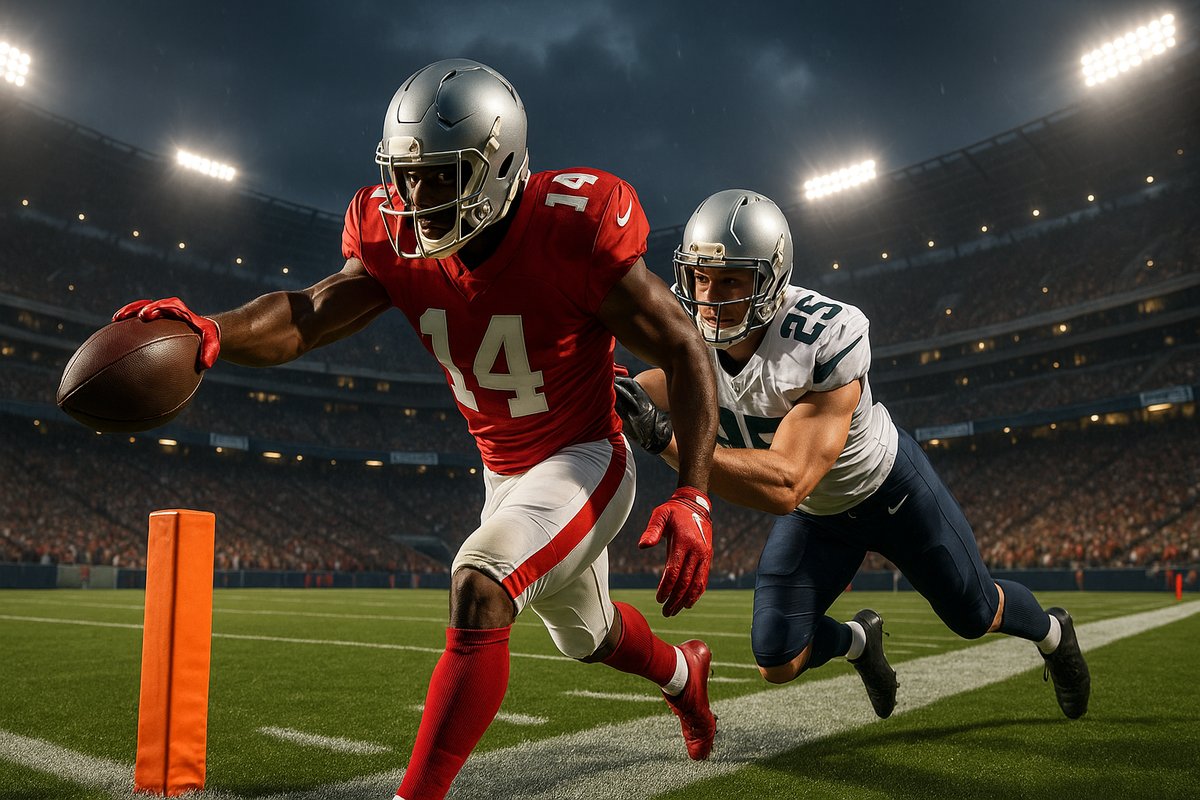
Building an NFL dynasty starts with understanding that the draft isn’t just about talent—it’s about scheme fit and physical traits that hold up when the pads pop on Sundays. When you’ve lined up in a defensive scheme, you understand how gap discipline and coverage responsibilities separate the guys who last from the ones who wash out after one contract. Teams that nail this create sustained success instead of chasing big free-agent deals that often bust.
Successful franchises treat the draft as their roster engine. The Steelers and Patriots built multiple Super Bowl runs by grabbing players who matched their systems and grew over multiple seasons. Those picks give you four or five years of cost control, letting you keep core pieces or flip them for more assets when needed.
Elite front offices chase athletic traits plus football smarts. I’ve studied enough film to know the 49ers under Walsh hit on high-IQ players in the ’80s, stacking four titles in nine years. Same idea with the Chiefs surrounding Mahomes with weapons and playmakers who fit the scheme.
The Patriots run from 2001 to 2019 showed pure draft mastery. Brady in the sixth round became the anchor, with Gronk and Edelman rounding out six Super Bowl squads. They led the league in approximate value from draft picks during their peak, beating teams that threw money at free agency.
The Steelers reached the playoffs in 20 of the last 25 seasons the same way. Polamalu and Roethlisberger delivered right away in the first round, while mid-round gems like Harrison helped win two titles. Their defensive schemes worked because drafted players already knew the calls from day one.
Modern teams build depth by trading back for more picks or moving up for difference-makers. The Ravens kept finding Pro Bowl talent late, like Ray Lewis and Jamal Lewis. Analytics back it up—drafting offensive linemen early leads to better quarterback protection and higher win rates over five-year stretches.
One critical principle that separates dynasty builders from mediocre franchises is understanding positional value. Not all positions carry equal weight in draft strategy. Quarterback, edge rusher, cornerback, and offensive tackle represent the foundation positions where elite talent creates compounding returns. Teams that secure Pro-caliber players at these spots through the draft reduce their reliance on expensive free-agent acquisitions. The Green Bay Packers’ investment in Aaron Rodgers in 2005 illustrated this perfectly—one draft pick created nearly two decades of playoff contention. Similarly, securing an elite pass rusher through the draft means you’re not spending $20 million annually in free agency to generate the same production.
Conversely, teams often waste draft capital on running backs and tight ends when comparable talent emerges in mid-rounds or undrafted free agency. The Chiefs’ success stems partly from prioritizing playmakers who fit Patrick Mahomes’ system rather than reaching for positional scarcity. This flexibility in approach allows them to stockpile assets and move up when genuine difference-makers are available.
Dynasties pour resources into coaching after the draft. Wideouts and edge rushers give the best return when developed right. The Packers under Holmgren turned mid-round guys into key pieces during their ’90s runs by prioritizing scheme fit over raw measurables.
Evaluating draft success requires looking beyond first-round picks. While high selections receive attention, the true test of a front office’s scouting prowess appears in rounds three through seven. Teams like Kansas City have consistently found productive starters in the fourth and fifth rounds—players like Chris Jones (sixth round, 2016) who become franchise cornerstones. The Seahawks’ secondary during their Legion of Boom era included multiple mid-round and late-round picks who delivered Hall of Fame-caliber impact. This hidden value demonstrates why depth and scouting acumen matter more than flashy first-overall selections.
The numbers tell the story. New England generated over 1,200 approximate value points from draft picks between 2000 and 2019. Super Bowl teams average 7.2 starters from their previous three drafts. Pittsburgh has drafted 11 Hall of Famers since 1970, more than anyone. Late-round picks account for 38% of Pro Bowl nods the last decade. Kansas City added 14 starters via the draft from 2017 to 2022, powering three Super Bowl trips.
Building a sustainable draft process requires institutional stability. Front office continuity allows scouting departments to refine their evaluation methods and build databases of reliable information sources. Teams that frequently change general managers and coaching staffs struggle to implement consistent draft philosophy. The Saints maintained competitive rosters for years through Mickey Loomis and Sean Payton’s partnership, where shared vision on player evaluation created predictable production. When organizational leadership changes, draft priorities shift, creating inefficiency.
The 49ers keep it going by targeting versatile defenders and offensive linemen. Bosa and Kittle show how targeted drafting builds continuity. Their defense leads in pressure rate because of homegrown talent, not veteran rentals. Kyle Shanahan’s scheme maximizes players who understand his system from day one, reinforcing the value of developing drafted players in a stable environment.
Injury recovery and durability metrics deserve serious consideration in dynasty building. Some players with elite production at the college level suffer from soft tissue problems or structural concerns that limit NFL longevity. Conversely, players with less athletic upside but durable frames often outperform their draft position. Teams like the Patriots excelled at identifying players with injury history who could return to form at lower draft costs, effectively getting multiple seasons of elite play without the premium investment.
Avoid overdrafting for need instead of value—it kills rebuilds. Reaching for quarterbacks in the first round without the supporting cast around them usually ends in missing the playoffs. Long-term winners keep flexibility and don’t mortgage future picks for short-term fixes. The Jaguars’ Blaine Gabbert selection and subsequent struggles illustrated this principle—drafting a quarterback without surrounding talent squanders picks that could address weaknesses.
Trade asset management separates contending dynasties from perpetual rebuilds. Successful teams leverage draft picks strategically, either moving down to accumulate picks or moving up for premium talent when the value proposition aligns. The Colts’ trade-down strategy under Jim Irsay created flexibility that allowed Indianapolis to address multiple roster needs. This asset mobility, combined with patient evaluation, creates options that locked-in franchises lack.
Draft picks remain the most reliable route to sustained excellence and multiple Super Bowls. Combine rigorous scouting, patient development, and smart asset management, and you build rosters that compete every year. As salary caps climb, teams finding value in the draft pull away from those hooked on free agency. History shows championship windows stretch when those picks mature into starters across all three phases.
Sources
- NFL.com Draft Central – Official NFL draft information, prospect rankings, and team selections
- ESPN NFL Draft – Comprehensive draft coverage, analysis, and player profiles
- Pro Football Reference Draft Database – Historical draft data and player statistics
- The Athletic NFL – In-depth analysis and expert commentary on NFL teams and draft strategy