
Tom Brady Career Milestones and Key Stats
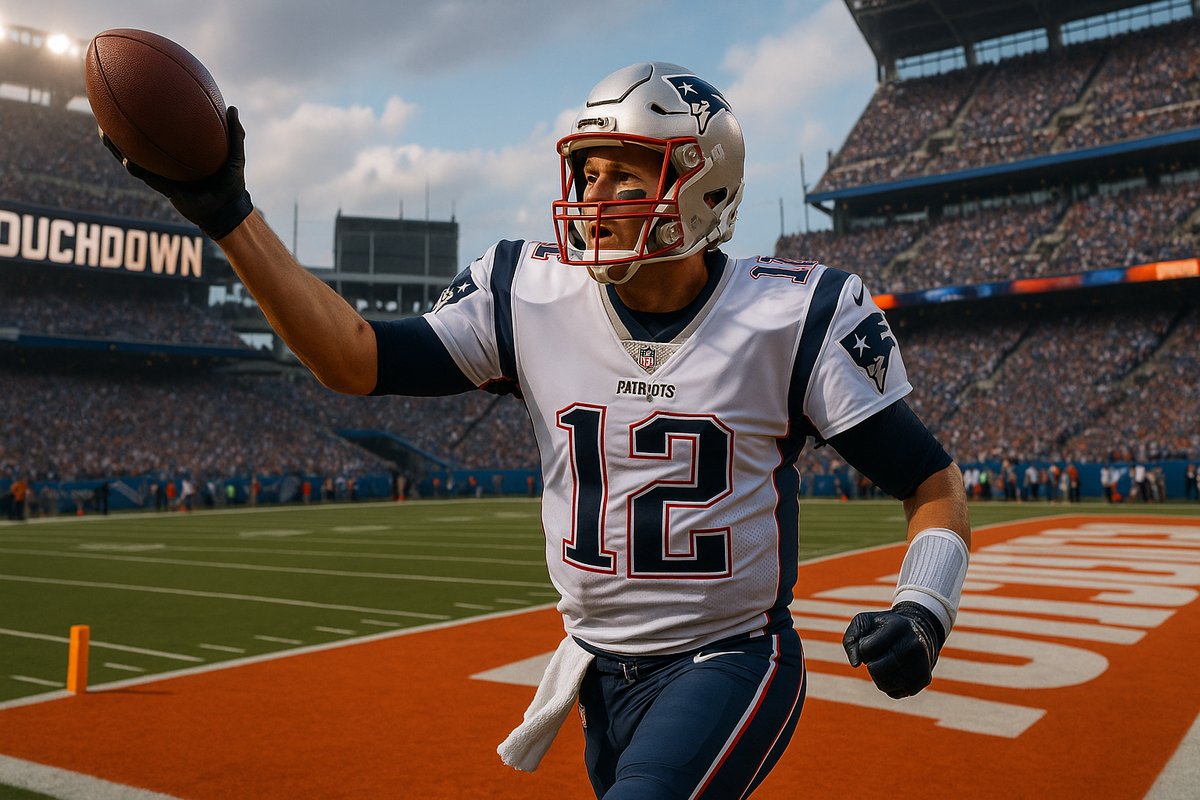
Tom Brady’s path from the 199th overall pick in the 2000 draft to the most accomplished quarterback in NFL history wasn’t just about arm talent—it was a masterclass in low-risk, high-reward roster building. The Patriots landed him on a sixth-round minimum deal, and what the front office was really thinking here was clear: invest minimal cap space early, then watch the investment compound through extensions that aligned with sustained contention windows.
His 2001 breakthrough after Drew Bledsoe’s injury turned a backup role into instant franchise stability. That game-winning drive in Super Bowl XXXVI didn’t just earn MVP honors; it signaled to every front office that a late-round quarterback could anchor a defense-first identity without blowing up the salary cap.
From 2001 through 2019, Brady’s precision and leadership delivered five more titles in New England, each one built on meticulous scheme adaptation. What the front office was really thinking here was maximizing his football IQ to offset defensive adjustments across two decades, turning modest offensive investments into 14 division titles. From a fantasy perspective, that longevity made him the ultimate set-it-and-forget-it quarterback—consistent volume without the boom-bust risk that plagued higher-drafted peers.
The move to Tampa Bay in 2020 reset the narrative. Brady captured his seventh ring in Super Bowl LV, proving age-43 production could still elevate a roster on a shorter-term deal. His career totals of 89,214 regular-season passing yards and 649 touchdowns remain the benchmarks, while that 80.7 playoff passer rating across 48 games showed he saved his sharpest work for when contracts and championships were truly on the line.
Beyond the raw numbers, Brady’s edge in Total Quarterback Rating and adjusted net yards per attempt underscored why teams kept extending him: he minimized turnovers while sustaining high-volume attacks. Three MVP awards and five passing-touchdown titles later, the strategy paid off in sustained contention rather than one-and-done windows.
Team analysis of those Patriots years always circles back to how Brady maximized Bill Belichick’s schemes, accelerating young skill players in Tampa the same way. Those 230 regular-season wins, 35 playoff victories, and three 5,000-yard seasons reflect not just individual dominance but how one quarterback’s presence reshaped franchise trajectories and cap allocation for years.
The full ledger includes seven Super Bowl rings, five Super Bowl MVPs, three NFL MVPs in 2007, 2010, and 2017, 15 Pro Bowls, the 2007 perfect regular season, the lowest interception rate among qualifiers, 23 seasons played, and his 2028 Hall of Fame induction. Those marks continue to set the contract template for what teams should expect when they find a late-round signal-caller who can actually deliver sustained excellence.
Brady’s statistical dominance extends well beyond headline numbers. His completion percentage of 64.3% throughout his career placed him among the elite, especially considering the evolution of NFL passing rules and scheme complexity across his two decades. The 2007 season stands as perhaps his most devastating from a statistical standpoint—16 touchdown passes in the regular season alone, leading the Patriots to an undefeated 16-0 campaign before the Super Bowl loss to the Giants. That season showcased Brady at his most efficient, orchestrating one of the most potent offenses the NFL had ever assembled alongside receiver Randy Moss.
When examining Brady’s playoff performances, the numbers tell a story of clutch execution under pressure. His 88 playoff touchdowns represent nearly 14% of his entire career total, compressed into just 48 games. This dramatic spike illustrates how Brady elevated his performance when stakes were highest. His Super Bowl record of 7-3 speaks to championship pedigree, but the way he won those titles evolved dramatically. The early Patriots victories came through defensive dominance and efficient clock management, while the Tampa Bay championship required him to shoulder greater offensive responsibility at an age when most quarterbacks had long since retired.
The interception avoidance metric deserves deeper examination. Brady’s career interception percentage of 1.6% ranks among the lowest in NFL history for qualified passers. This wasn’t accidental—it reflected his processing speed, arm talent, and willingness to take checkdowns over forcing contested throws. In an era where younger quarterbacks increasingly relied on athletic ability to escape pressure, Brady’s cognitive approach to reading defenses created a sustainable advantage that extended his career well into his 40s.
His relationship with offensive coordinators shaped his evolution as well. Josh McDaniels in New England engineered schemes that maximized Brady’s pattern recognition. Byron Leftwich in Tampa adjusted to leverage Brady’s experience and football intelligence differently, often employing more aggressive vertical concepts. This adaptability—the ability to thrive in fundamentally different systems—separated Brady from contemporaries who struggled with coaching transitions.
The 2007 perfect regular season deserves contextualization. Brady threw 50 touchdown passes that year, a then-record that stood for five seasons. The passing landscape was different then; defenses hadn’t yet fully adapted to spread concepts, and rule changes favoring the offense had only recently taken effect. Yet Brady’s efficiency that season—his ability to put away games early and avoid negative plays—set a standard that influenced quarterback evaluation for years afterward.
Financial considerations around Brady’s contracts reveal another dimension of his value. His willingness to accept below-market deals in New England freed up millions in cap space that the Patriots redirected toward defensive talent and role players. This cooperative approach to salary structure, rare among star quarterbacks, became part of the organizational culture. In Tampa, he operated differently, taking a competitive contract but still maintaining flexibility. His understanding of how individual compensation affects roster construction demonstrated football intelligence beyond mere quarterbacking.
Brady’s preparation methodology became nearly as legendary as his on-field performance. His documented approach to recovery, nutrition, and film study established a template for quarterback longevity. The “TB12 Method” reflected hours of meticulous planning, working with trainers, and maintaining a training regimen that defied conventional wisdom about athletic aging. While genetics certainly favored him, his commitment to preparation and recovery provided a replicable framework that influenced how organizations now view quarterback maintenance.
The leadership dimension of Brady’s legacy extended beyond statistics. His ability to elevate supporting cast members, to demand excellence in preparation, and to maintain composure during adversity created a multiplier effect on team performance. New England’s succession of talented receivers who excelled under Brady before struggling elsewhere exemplifies this intangible value. Similarly, his partnership with tight end Rob Gronkowski produced some of the most memorable playoff performances in NFL history, with their on-field chemistry reflecting years of synchronized preparation.
Looking at Brady’s performance across different eras of NFL rule changes provides insight into his adaptability. The mid-2000s saw increasing defensive restrictions on contact with receivers. The 2010s witnessed explosive rule changes emphasizing safety. Brady’s statistical output remained elite throughout these transitions, suggesting he possessed a versatile skill set rather than relying on one particular advantage. His arm talent, accuracy, and decision-making transcended rule interpretations.